2026 Top Industrial Warm Air Blower Trends and Innovations?
The industrial landscape is evolving rapidly. One significant area of innovation is in the field of Industrial Warm Air Blowers. These devices are crucial for various applications, from drying processes to climate control in manufacturing facilities. As industries seek improved efficiency, the demand for advanced warm air blowers is increasing.
In 2026, we anticipate exciting trends shaping the future of industrial warm air blower technology. Manufacturers are focusing on energy efficiency and sustainable designs. The integration of smart technologies is also becoming commonplace. Businesses seek reliable and high-performance solutions to meet their unique needs.
Despite these advancements, challenges remain. Not all manufacturers can keep pace with technological changes. It raises questions about reliability and performance consistency. Understanding these trends is essential for businesses that want to stay competitive. The journey toward adopting the latest industrial warm air blower innovations is ongoing and fraught with both opportunities and challenges.
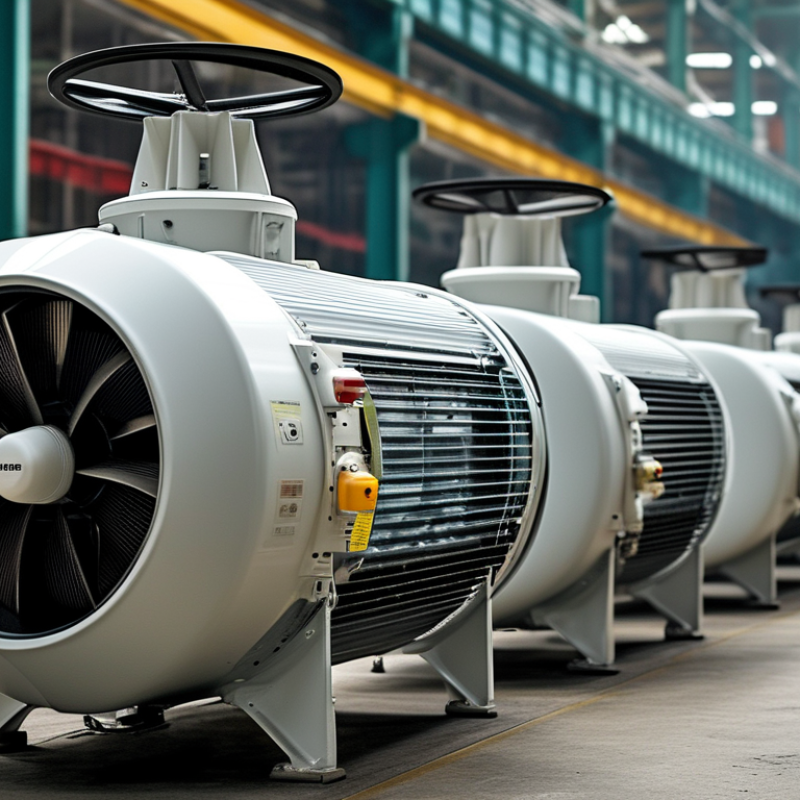
2026 Industrial Warm Air Blower Overview and Applications
In 2026, industrial warm air blowers will play a significant role in various applications. These devices are designed for heating and drying processes in manufacturing. Industries like food processing, textiles, and construction will benefit greatly. Their efficiency can impact production timelines and energy costs.
One key application is in drying processes. For example, textile products need to be dried quickly before further processing. The warm air circulates, accelerating evaporation. However, the energy consumption of these blowers is a consideration. Users must balance efficiency with operational costs.
Another area of interest is temperature regulation. In environments where precise heating is essential, warm air blowers excel. Still, there are challenges. Not all systems can maintain stable temperatures under varying conditions. Continuous innovation is needed. Effective designs must address these concerns while enhancing performance and reliability.
Emerging Technologies Transforming Warm Air Blower Design in 2026
The warm air blower industry is embracing transformative technologies in 2026. Advancements in energy efficiency are paving the way for more sustainable operations. According to a recent market report, warm air blowers are expected to reduce energy consumption by up to 30% by integrating smart sensors. These sensors can adjust airflow based on real-time temperature data. This shift not only cuts costs but also aligns with global sustainability goals.
Innovative materials are also impacting design. New lightweight composites allow for improved heat retention and durability. Research indicates that using these materials can extend the lifespan of blowers by 15-20%. Furthermore, automation plays a crucial role in enhancing performance. Automated systems can optimize airflow patterns in various environments.
Yet, the industry faces challenges. Transitioning to smart technologies requires significant investment and expertise. Many manufacturers struggle to keep pace with rapid changes. There is also skepticism around the reliability of new materials under extreme conditions. Balancing innovation with tried-and-true methodologies remains a critical issue. As the industry evolves, robust training and adaptation strategies will be necessary for long-term success.
Sustainability Trends in the Industrial Warm Air Blower Market
The industrial warm air blower market is evolving, driven by sustainability trends. Companies are now prioritizing energy-efficient solutions. This shift aims to reduce carbon footprints and operational costs. Innovative technologies are emerging, focusing on heat recovery systems. These systems help recycle energy that would otherwise be wasted.
In addition, eco-friendly materials are becoming common in manufacturing processes. This change promotes sustainability and reduces environmental impact. However, not all industries are adopting these practices equally. Some sectors lag in implementing greener solutions. The market still faces challenges, such as high initial investment costs and resistance to change.
Consumer demand for sustainable products is growing. Many organizations are responding by changing their strategies. Yet, the implementation of eco-friendly systems is often inconsistent. Companies need to reevaluate their approaches. Balancing immediate costs with long-term benefits remains a critical challenge. The future of the industrial warm air blower market depends on overcoming these hurdles.
Key Players and Competitive Landscape in Warm Air Blower Innovations
The warm air blower market is witnessing significant innovation. Various companies are developing advanced models that prioritize energy efficiency and user-friendly designs. As industries become more aware of their carbon footprints, the demand for eco-friendly solutions surges. Products with integrated technology for better heat distribution are gaining popularity.
Key players in this space are focusing heavily on research and development. They are exploring materials that enhance durability while still being lightweight. The competitive landscape is dynamic, with numerous smaller firms emerging alongside established manufacturers. Some newcomers bring fresh ideas but face challenges in scaling operations efficiently. Balancing innovation and practicality remains essential for success.
Customer feedback plays a critical role in shaping future designs. Companies must navigate diverse user needs while adhering to industry standards. Understanding the evolving market trends is vital. As competition intensifies, some brands may struggle to adapt rapidly. This reflection on adaptability is crucial for long-term growth and relevance in the warm air blower sector.
2026 Top Industrial Warm Air Blower Trends and Innovations
This chart illustrates the percentage of various innovation trends in the industrial warm air blower market for 2026. The data indicates that temperature control features are expected to see the highest percentage of focus, followed by energy efficiency and noise reduction innovations.
Future Projections: Market Growth and Demand for Warm Air Blowers
The market for warm air blowers is expected to witness significant growth by 2026. According to recent industry reports, the global warm air blower market could expand at a compound annual growth rate (CAGR) of 5.8% between 2024 and 2026. The driving factors include increased demand from industrial sectors, particularly in manufacturing and construction, where optimal heating solutions are crucial.
Innovations in technology play a key role in this growth. Energy-efficient models are gaining attention. These newer systems not only reduce energy consumption but also enhance performance. Industry experts emphasize the importance of technology in shaping market trends. For instance, implementing smart thermostats and remote monitoring can improve user experience significantly. Despite these advancements, some users express concerns over compatibility and integration with existing systems.
Furthermore, regulatory pressures are influencing market dynamics. Stricter energy efficiency standards push manufacturers to innovate, driving R&D investments. Reports indicate that companies investing in greener technology could gain a competitive edge. However, some small businesses may struggle to adapt to these changes quickly. This discrepancy could lead to challenges in achieving uniform market growth, emphasizing the need for continuous improvement and adaptation in this evolving landscape.
2026 Top Industrial Warm Air Blower Trends and Innovations
| Trend/Innovation | Description | Projected Market Growth (%) | Key Industry Applications |
| Energy Efficiency | Increased focus on energy-efficient designs, reducing energy consumption while maintaining performance. | 12% | Manufacturing, Food Processing |
| Smart Technology Integration | Integration of IoT for real-time monitoring and control, leading to smarter operations. | 15% | HVAC, Agricultural Equipment |
| Noise Reduction Technologies | Development of quieter blowers, aligning with regulations and public demand for lower noise pollution. | 8% | Construction, Workshops |
| Portability Features | Enhanced designs for portability, allowing for easier transport and use in multiple locations. | 10% | Events, Outdoor Applications |
| Sustainability Practices | Increase in the use of sustainable materials and practices in production processes. | 9% | Manufacturing, Energy Sector |