2026 Top Wastewater Treatment Plant Innovations to Watch?
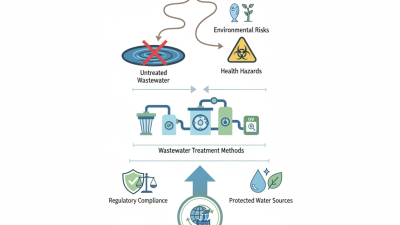
As the world faces increasing water scarcity, innovative solutions in wastewater treatment plants become crucial. According to the World Health Organization, approximately 80% of global wastewater is released untreated. This alarming statistic emphasizes the need for advancements in technology and practices within the wastewater treatment sector.
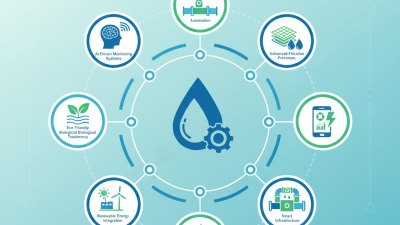
In 2026, several groundbreaking innovations are set to reshape wastewater treatment plants. Technologies like advanced filtration systems, bioreactors, and smart monitoring tools offer promising solutions. These innovations can enhance efficiency and reduce operational costs significantly. Furthermore, addressing the challenges of aging infrastructures can lead to substantial improvements in environmental sustainability.
Despite these advancements, substantial gaps remain in implementation and adaptation. Many facilities struggle to adopt new technologies due to budget constraints or lack of expertise. Reflecting on these challenges is essential for the industry. The path to effective wastewater treatment is not just about new tech; it also involves strategic investments and a commitment to sustainable practices.

Emerging Technologies in Wastewater Treatment for 2026
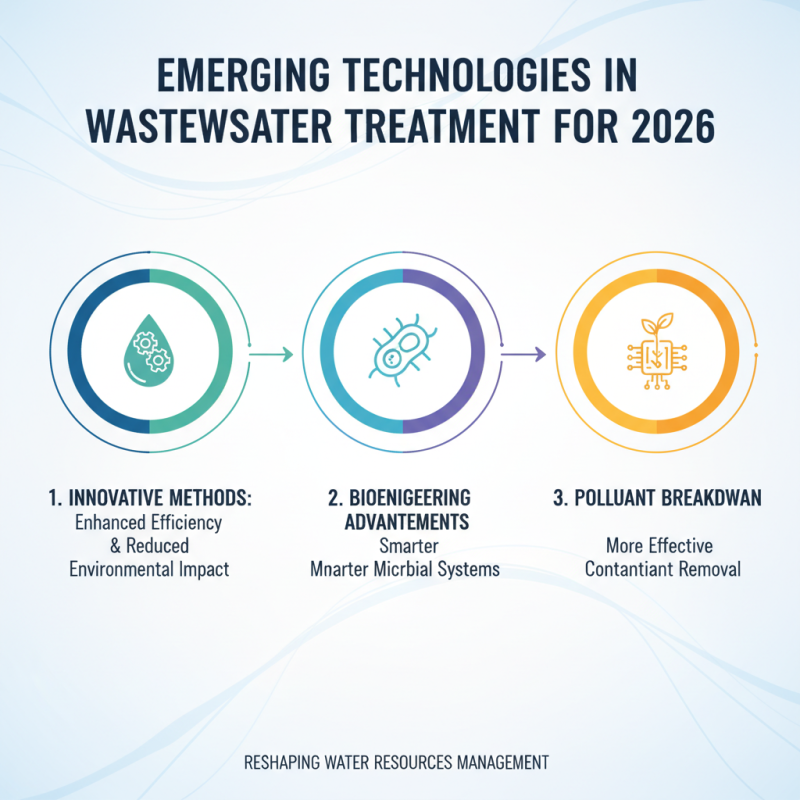
As we look toward 2026, wastewater treatment is evolving rapidly. Emerging technologies are reshaping how we manage water resources. Innovative methods are enhancing efficiency and reducing environmental impact. Research in bioengineering is leading to smarter microbial systems that break down pollutants more effectively.
Tips: Stay informed about local regulations. Understanding compliance can help you choose the right technology. Also, consider the adaptability of systems. Technologies that can evolve with changing demands will be more beneficial.
Next-generation chemical treatments promise better contaminant removal. These innovations can reduce harmful byproducts that may arise from traditional methods. Solar-powered treatment options are becoming viable. They offer sustainable solutions for energy-intensive processes, making operations greener and more cost-effective.
Tips: Research the maintenance needs of new systems. Some might require less attention but be more complicated. Always weigh the initial costs against long-term benefits. Balancing investment and efficiency can lead to better resource management in the long run.
Advancements in Membrane Filtration Systems
Membrane filtration systems are poised to revolutionize wastewater treatment by enhancing efficiency and reliability. These systems use semi-permeable membranes to separate contaminants from water. As the demand for clean water rises, advancements in membrane technology become crucial. They are more energy-efficient and cost-effective than traditional methods.
One key innovation is the development of porous membranes, which have improved permeability. These membranes allow for higher flow rates, reducing treatment time. Moreover, advancements in materials have led to better resistance against fouling, a common problem in membrane filtration. This means less downtime and lower maintenance costs for treatment plants.
Tips: Regular monitoring of membrane performance is essential. Check for signs of fouling early to avoid costly replacements. Additionally, consider periodic cleaning protocols to extend the lifespan of your membranes. Embracing these innovations can make a significant difference in wastewater management efficiency. In a rapidly changing industry, staying informed about new technologies is vital for effective water treatment solutions.
2026 Top Wastewater Treatment Plant Innovations to Watch
| Innovation |
Key Features |
Benefits |
Expected Impact |
| Advanced Membrane Bioreactors |
Integration of biological and membrane processes |
Higher efficiency in contaminant removal |
Reduced operational costs and improved water quality |
| Dewatering Innovations |
New centrifuge designs |
Lower energy consumption |
Increased sludge dewatering rates |
| Smart Monitoring Systems |
Real-time data analytics |
Enhanced operational efficiency |
Predictive maintenance capabilities |
| Solar-Powered Treatment Plants |
Photovoltaic energy integration |
Sustainable energy usage |
Lower carbon footprint |
| Zero Liquid Discharge Technologies |
Advanced filtration and evaporation processes |
Maximizes water recovery |
Minimizes environmental impact |
Innovative Biological Treatment Methods and Their Benefits
Innovative biological treatment methods are transforming wastewater management. These approaches leverage naturally occurring microorganisms to break down pollutants. According to a recent report by the Global Water Intelligence, biological treatment processes improve treatment efficiency by up to 40% in some cases. This efficiency helps reduce operational costs and enhances the effectiveness of wastewater treatment plants.
One significant innovation is the use of membrane bioreactors (MBR). These systems combine biological treatment with membrane filtration. This allows for the separation of solids and liquids within the same unit. Studies reveal that MBRs can yield effluent quality that meets stringent discharge standards. Furthermore, they occupy less space than traditional methods, making them suitable for urban settings. However, the initial costs of MBR systems can be high, presenting a barrier for some municipalities.
Another promising technique is the application of bioaugmentation. This method introduces specific strains of bacteria to boost biological treatment. Reports indicate that bioaugmentation can lead to a 30% increase in the degradation of organic matter. However, it requires careful monitoring to avoid ecosystem imbalance. These methods, while effective, carry challenges that need addressing for widespread adoption in the industry.
Automation and Smart Monitoring in Wastewater Facilities
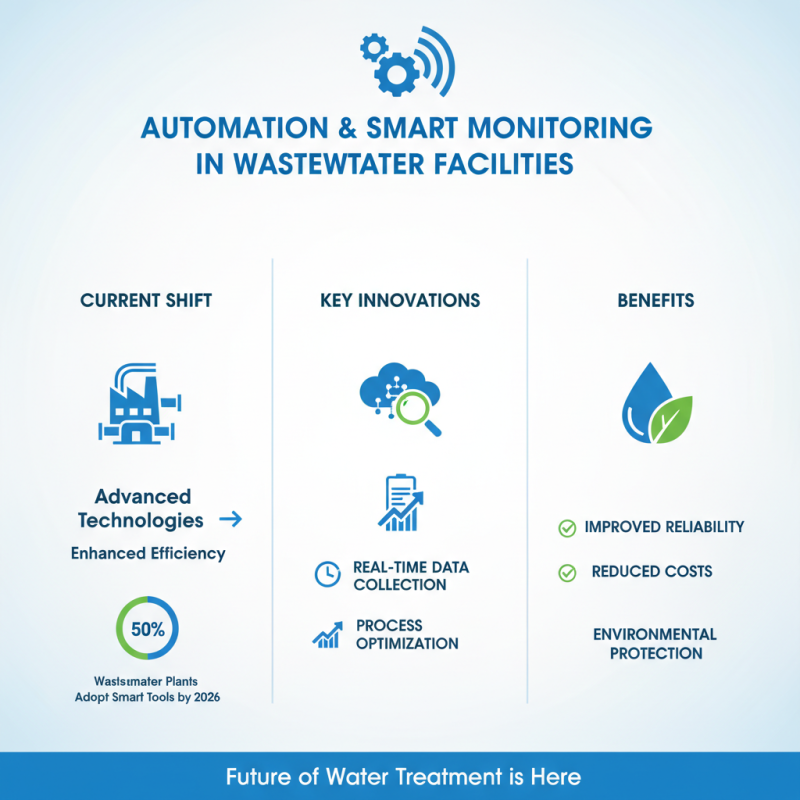
The wastewater treatment industry is experiencing a shift towards automation and smart monitoring. Modern facilities now utilize advanced technologies to enhance efficiency. Reports suggest that nearly 50% of wastewater plants will adopt smart monitoring tools by 2026. These innovations enable real-time data collection and analysis, vital for optimizing processes.
Smart sensors play a crucial role. They monitor factors like flow rates, chemical levels, and potential contaminants. This data empowers operators to make informed decisions quickly. Notably, predictive maintenance is becoming standard. Facilities can anticipate equipment failures, reducing downtime by up to 30%. Yet, implementing these technologies isn't without its challenges. Many plants face hurdles in integrating legacy systems with new tools.
Despite the promise of automation, the human element remains vital. Operators must interpret data effectively. Training is essential to maximize the benefits of these innovations. It’s crucial to strike a balance between technology and human oversight. For now, the journey towards fully automated wastewater treatment is ongoing, requiring both adaptation and reflection.
Sustainable Practices: Reducing Environmental Impact in Treatment Plants
Wastewater treatment plants are critical for environmental protection. Innovations focus on sustainable practices to reduce their ecological footprint. New technologies are emerging to enhance efficiency and minimize waste. Many plants are adopting energy recovery systems. These systems transform waste into energy, creating a circular economy model.
Water reuse is another essential development. Treatment plants now keep track of every drop. By treating and recycling water, they reduce reliance on freshwater sources. This practice promotes sustainability, yet challenges persist in public acceptance. Some communities remain hesitant about reclaimed water.
Furthermore, advanced filtration methods enhance treatment quality. These technologies ensure contaminants are effectively removed. However, maintaining these systems requires ongoing investments and expertise. Balancing cost and environmental impact is a constant challenge. Continued innovation is necessary, but the path forward involves learning from past mistakes and adapting to new realities in wastewater management.
2026 Top Wastewater Treatment Plant Innovations to Watch