2026 Top Wastewater Treatment System Innovations to Watch Out For?
The wastewater treatment system industry is on the brink of innovative breakthroughs. As we approach 2026, experts anticipate significant advancements in technology and efficiency. Dr. Anna Grey, a leading authority on wastewater treatment, states, "Innovation is key to tackling the growing challenges in wastewater management."
Emerging trends show a shift towards sustainable practices. New systems aim to refine processes and reduce energy consumption. However, challenges remain. Not all solutions are perfect. Some technologies may face implementation hurdles in diverse environments.
The need for better methods is urgent. Polluted water impacts ecosystems and human health. Addressing these issues requires collaboration and accountability. Keeping an eye on innovations will be essential for industry stakeholders. The future of wastewater treatment systems holds promise and complexity.
Emerging Technologies in Wastewater Treatment for 2026
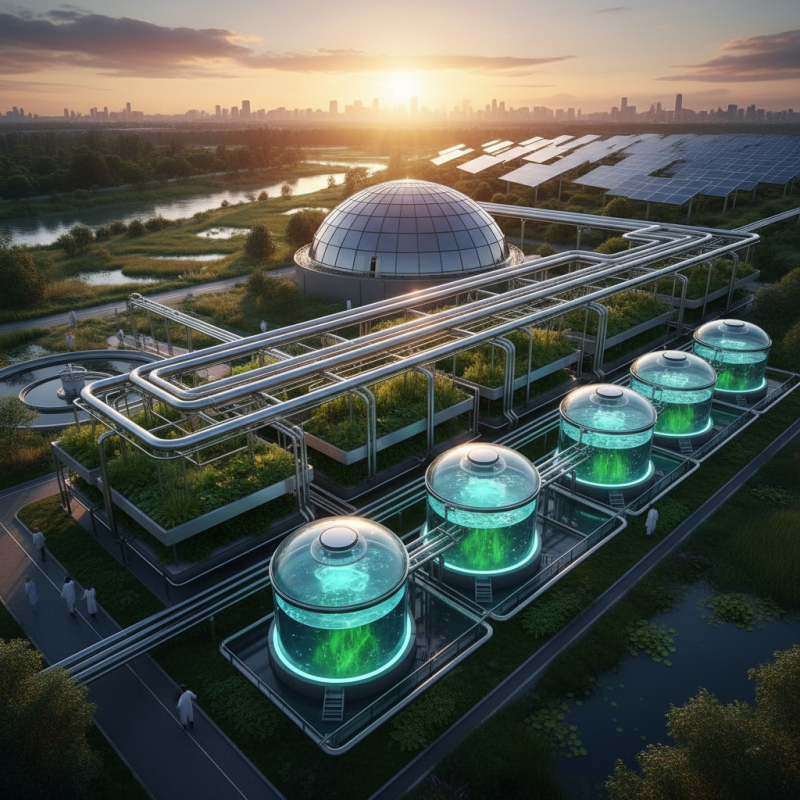
As we look forward to 2026, the wastewater treatment sector is set to witness exciting innovations. Emerging technologies could reshape how we treat and recycle wastewater. These advancements aim to tackle pressing environmental challenges, making water management more efficient. Some new methods involve unique filtration systems that can remove harmful contaminants effectively.
New techniques, like membrane bioreactors, promise greater efficiency. However, they are complex and may face operational hurdles. Efficiency gains must be balanced with maintenance and cost considerations. Meanwhile, digital monitoring systems are becoming mainstream. These smart technologies help detect issues in real-time. But reliance on technology can lead to unexpected failures if not managed well.
Sustainability remains a key goal. Innovations in nutrient recovery aim to transform wastewater into beneficial products. There is potential, but the scalability of these processes is still uncertain. As the industry progresses, continuous reflection on these technologies is necessary. It is crucial to address both the opportunities and the challenges they present.
2026 Top Wastewater Treatment System Innovations
Key Innovations in Membrane Filtration Systems
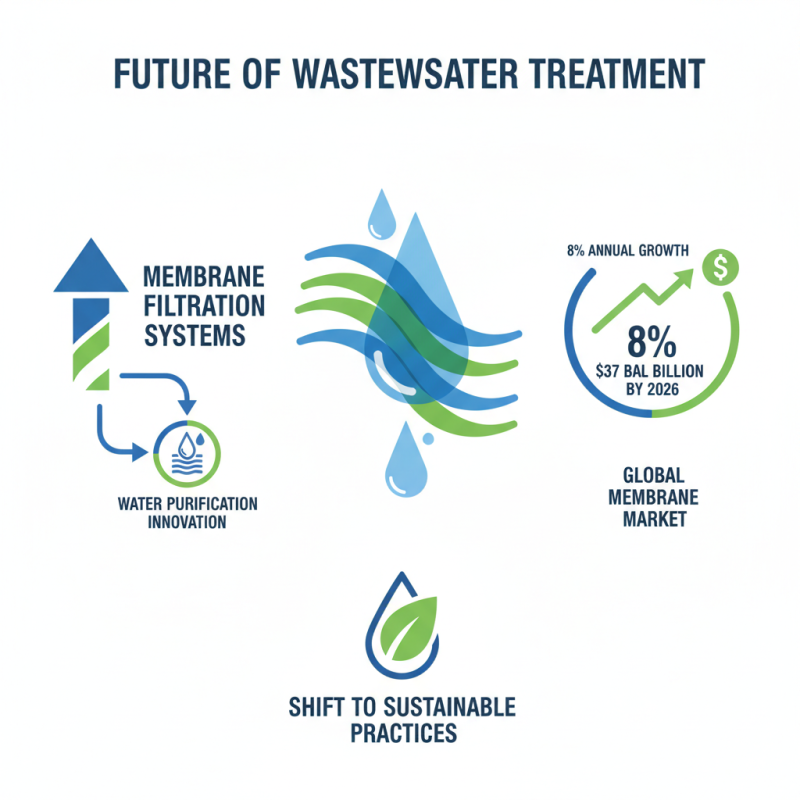
The future of wastewater treatment is heavily influenced by innovations in membrane filtration systems. Membrane technology is changing how we approach water purification. Reportedly, the global membrane market is expected to grow by 8% annually, reaching a value of $37 billion by 2026. This growth indicates a significant shift towards sustainable practices.
Membrane systems can remove bacteria, viruses, and organic pollutants. They offer high efficiency and compact designs. However, challenges remain. One issue is membrane fouling, which reduces performance over time. According to recent studies, up to 30% of membrane filtration systems experience significant fouling, impacting their lifespan.
Researchers are exploring new materials and hybrid systems to tackle these challenges. New composite membranes show promise, enhancing filtration and resisting fouling. Innovations like biomimetic membranes aim to mimic natural processes, potentially revolutionizing treatment methods. Yet, the real test is scalability. Developing cost-effective systems that can be deployed in various settings remains a crucial focus. The journey towards cleaner water is ongoing, filled with both innovation and reflection.
Advancements in Biological Treatment Methods
Advancements in biological treatment methods for wastewater are gaining momentum. New techniques are striving for higher efficiency and lower energy consumption. One notable approach involves using microorganisms to break down pollutants effectively. This method is not new but has been refined significantly. Researchers are exploring how to optimize microbial communities for specific contaminants. This could lead to better performance in diverse environments.
However, challenges persist. Not all microorganisms perform well under changing conditions. Temperature, pH, and the presence of toxins can affect their activity. An inconsistent performance raises questions about reliability. Moreover, the scaling up of these methods for large systems remains complex. The transition from laboratory success to real-world application often encounters hurdles. It's crucial to address these uncertainties to fully tap into the potential of biological treatments.
Public understanding of these systems is another hurdle. Many people are unaware of the benefits that biological treatment offers. This can lead to resistance or lack of support for new technologies. Hence, education and community engagement will play vital roles in advancing these innovations. Understanding must precede acceptance for biological methods to thrive in wastewater treatment.
Role of Artificial Intelligence in Wastewater Management
Artificial intelligence (AI) is revolutionizing wastewater management. By analyzing large data sets, AI helps optimize treatment processes. This technology predicts equipment failures, reducing downtime. It also improves energy efficiency in treatment plants. The use of AI minimizes waste and maximizes resource recovery. Smart systems can adjust operations in real time based on incoming water quality.
Tips: Regular maintenance of AI systems ensures accuracy. Train staff to interpret AI data effectively. Stay updated with AI advancements to utilize new features.
AI can also enhance decision-making. Machine learning algorithms analyze patterns in water quality. They help identify trends over time, allowing for proactive measures. However, the reliance on AI is not without challenges. Data bias can affect outcomes. This could lead to suboptimal management decisions.
Tips: Implement checks to validate AI suggestions. Encourage a culture of critical thinking among staff. Share results and insights for collective learning. Through shared knowledge, teams can refine AI implementations.
2026 Top Wastewater Treatment System Innovations to Watch Out For - Role of Artificial Intelligence in Wastewater Management
| Innovation |
Description |
Potential Benefits |
AI Role |
| Smart Sensors |
Real-time monitoring of water quality parameters. |
Enhanced data accuracy and immediate detection of contaminants. |
AI algorithms analyze sensor data for predictive maintenance. |
| Advanced Membrane Technology |
New membranes that improve filtration efficiency. |
Reduced energy consumption and operational costs. |
AI optimizes membrane processes based on real-time data. |
| Biological Treatment Innovations |
Use of advanced microbial communities for treatment. |
Increased efficiency in degrading pollutants. |
AI helps in selecting optimal microbial strains and conditions. |
| Energy Generation from Waste |
Technologies that recover energy from wastewater streams. |
Reduced overall energy costs and carbon footprint. |
AI analyzes energy recovery potentials and optimizes processes. |
| Decentralized Treatment Systems |
Localized systems to treat wastewater closer to the source. |
Reduced transport costs and improved sustainability. |
AI provides data-driven management and operational insights. |
Sustainable Practices: Circular Economy in Wastewater Treatment
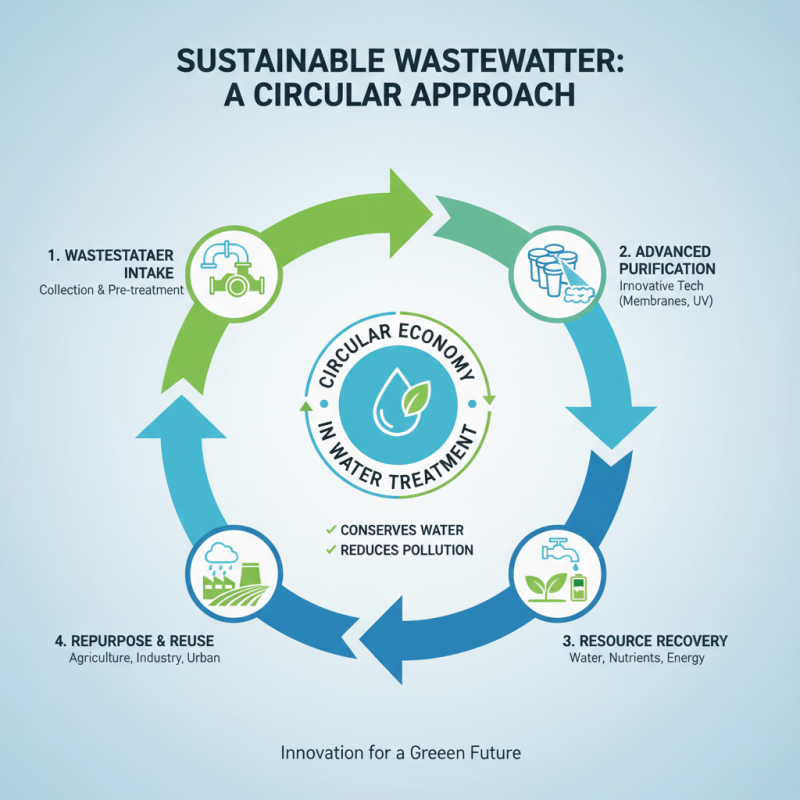
In recent years, the focus on sustainable practices in wastewater treatment has intensified. The concept of a circular economy is at the forefront of these innovations. It emphasizes reusing resources instead of disposing of them. Wastewater can be treated and repurposed for various applications. This not only conserves water but also reduces pollution.
Tips for implementation: Consider using decentralized treatment systems. These systems can treat wastewater locally, minimizing transport needs. Also, explore nutrient recovery options. Extracting phosphorus and nitrogen can turn waste into valuable fertilizers.
The challenge lies in integrating these methods into existing infrastructures. Many facilities struggle with outdated technologies. They often require substantial investment for upgrades. However, small, incremental improvements can lead to significant outcomes over time. It’s essential to engage stakeholders in the process. Their commitment can drive successful adaptations.