7 Tips for Choosing Industrial Wastewater Treatment Systems
Industrial facilities rarely produce wastewater that stays consistent from one shift to the next. A metal-finishing line may release acidic rinse water in the morning and oily water after maintenance. Food plants often face changing loads, temperatures, and cleaning chemicals. These details make industrial waste water treatment a practical engineering decision, not a catalog purchase.
The right system should match contaminants, flow patterns, discharge requirements, and future production plans. Sampling across several operating conditions gives engineers a more reliable design basis. Laboratory testing can reveal whether dissolved metals, suspended solids, fats, or biological demand need priority. Field experience matters too. Pumps clog, sensors drift, and operators sometimes bypass complicated controls during busy shifts. A design that ignores these realities may perform well only on paper.
This guide presents seven useful tips for comparing industrial wastewater treatment systems. It considers pretreatment, process selection, automation, maintenance access, energy use, sludge handling, and total lifecycle cost. A cheaper installation is not always economical. That assumption deserves scrutiny. However, no single technology fits every facility, and even strong recommendations need verification through pilot testing or qualified professional review. Clear records, trained operators, and routine performance checks support dependable results. The goal is not merely cleaner effluent. It is a stable, maintainable process that protects receiving waters, supports responsible production, and remains credible under changing conditions.
Industrial Wastewater Treatment Systems: Purpose and Core Functions
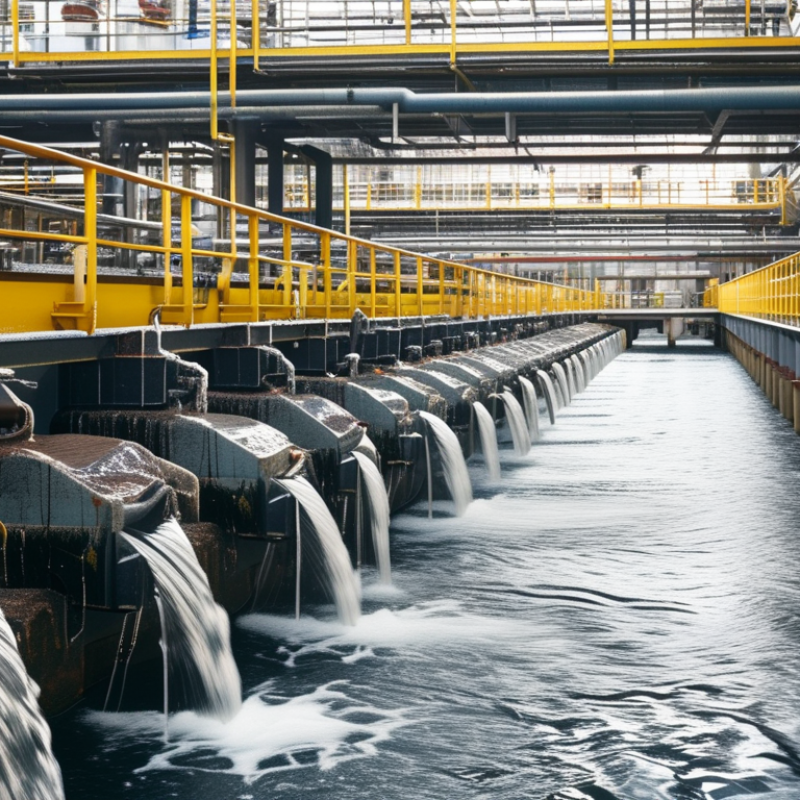
Industrial wastewater treatment systems protect receiving waters, workers, equipment, and production continuity.
Their purpose is not simply to make dirty water look clear. They must reduce pollutants to a defined discharge or reuse standard.
Data comes first.
A reliable system begins with representative sampling during normal production and peak loading.
Operators should measure flow, pH, temperature, TSS, COD, BOD, conductivity, nutrients, and site-specific contaminants.
Equalization tanks then reduce sudden hydraulic and chemical shocks. Neutralization controls pH. Coagulation, clarification, dissolved air flotation, biological treatment, filtration, and membranes each serve different purposes.
Sludge handling is part of the system, not an afterthought. Small details matter.
The World Health Organization and UNESCO emphasize that untreated wastewater creates serious environmental and public-health pressures, while water reuse can strengthen local water security.
However, selecting advanced equipment too early can waste energy and maintenance resources. A membrane cannot fix poor pretreatment.
Biological treatment may struggle with toxic influent or sharp production changes.
This is where pilot testing, process guarantees, sensor calibration, and operator training become practical safeguards.
A neat spreadsheet can still mislead.
The best choice matches pollutant chemistry, flow variation, discharge limits, available space, sludge capacity, and long-term operating skill.
Performance should be verified through trend data, not one favorable laboratory result.
Assess Wastewater Characteristics and Regulatory Requirements
A treatment system should begin with wastewater evidence, not equipment catalogs. Sample flow, pH, temperature, conductivity, BOD, COD, TSS, nutrients, oils, and metals across production shifts. One grab sample is not enough. Batch cleaning can create short, severe loading spikes that an average sample hides.
The UNESCO World Water Development Report 2017 estimated that over 80% of global wastewater was discharged without treatment. That figure shows why reliable characterization matters. However, global statistics cannot replace site-specific testing. Compare laboratory results with discharge permits, sewer-use rules, receiving-water limits, and sludge disposal requirements. In the United States, the U.S. EPA’s Effluent Guidelines establish technology-based limits for many industrial sectors, while local permits may impose stricter conditions. Requirements can also change when production chemistry changes.
Keep records audit-ready. Document sampling locations, preservation methods, laboratory accreditation, flow measurements, and chain of custody. Regulators may question unexplained gaps. A compliance matrix should link each pollutant to its limit, sampling frequency, treatment step, and responsible operator. It sounds simple.
It is not always simple.
Consider seasonal temperature, intermittent production, stormwater mixing, and future capacity. The UN-Water SDG 6 Synthesis Report 2023 found that only about 58% of domestic wastewater was safely treated globally in 2022, highlighting broader treatment pressures. Industrial facilities need more than a standard design package. They need verified data, current permits, and enough flexibility for process changes. A neat spreadsheet can still mislead.
7 Tips for Choosing Industrial Wastewater Treatment Systems - Assess Wastewater Characteristics and Regulatory Requirements
| Tip | Wastewater Dimension to Assess | Representative Data or Planning Range | Treatment-System Implication | Regulatory Requirement to Verify |
|---|---|---|---|---|
| 1. Quantify flow and variability | Average flow, peak hourly flow, batch discharge frequency, operating shifts, and seasonal changes. | Design flow should normally be based on measured average and peak values. A preliminary equalization volume is often sized for several hours of flow balancing, subject to a hydraulic study. | High peaks may require flow equalization, automatic diversion, larger pumps, and additional hydraulic capacity. | Confirm permitted daily mass load, instantaneous or hourly discharge limits, stormwater separation, and sampling locations. |
| 2. Characterize organic loading | Biochemical oxygen demand (BOD5), chemical oxygen demand (COD), total organic carbon (TOC), and biodegradability. | Use laboratory data rather than assumptions. The BOD5/COD ratio is commonly used as a screening indicator: approximately 0.4 or higher often suggests better biological treatability, while lower values may indicate slowly biodegradable or refractory compounds. | Biological treatment may be suitable for biodegradable loads; low-biodegradability streams may need oxidation, adsorption, membrane treatment, or source control. | Check applicable BOD, COD, TOC, and total organic loading limits in the discharge permit or sewer-connection requirements. |
| 3. Measure pH, temperature, and toxicity | pH range, temperature, corrosivity, acute toxicity, solvents, biocides, and inhibitory compounds. | Many municipal sewer programs commonly require pH within approximately 5.0–10.0, while discharge permits may use narrower ranges such as 6.0–9.0. Actual limits are jurisdiction-specific. | Neutralization, cooling, toxicity screening, segregated collection, and controlled chemical dosing may be required before biological treatment. | Verify pH limits, temperature limits, prohibited pollutants, whole-effluent toxicity requirements, and hazardous-waste rules. |
| 4. Identify suspended solids, oil, and grease | Total suspended solids (TSS), settleable solids, emulsified oil, free oil, fats, oil and grease, and particle-size distribution. | Common permit values for TSS and oil and grease vary widely; municipal and industrial limits may be specified around tens of mg/L. Use site-specific permit values instead of universal assumptions. | Screening, grit removal, equalization, coagulation-flocculation, dissolved air flotation, clarification, or media filtration may be appropriate. | Check TSS, oil and grease, free-oil, settleable-solids, and drainage-system limits; confirm whether stormwater has separate controls. |
| 5. Screen for metals and priority pollutants | Total and dissolved metals, cyanide, phenols, solvents, PFAS where relevant, and other sector-specific pollutants. | Analyze pollutants associated with raw materials and production processes, including arsenic, cadmium, chromium, copper, lead, mercury, nickel, silver, and zinc where applicable. | Potential technologies include chemical precipitation, reduction-oxidation, ion exchange, activated carbon, membranes, or specialized destructive treatment. | Review national and local effluent standards, pretreatment standards, hazardous-pollutant requirements, and discharge mass limits. Limits differ by industry and receiving water. |
| 6. Confirm nutrient and salinity requirements | Ammonia, total Kjeldahl nitrogen, nitrate, total nitrogen, orthophosphate, total phosphorus, conductivity, chloride, and total dissolved solids. | Nutrient limits are often receiving-water-specific. Elevated conductivity or total dissolved solids may indicate salts that conventional biological treatment cannot remove effectively. | Nitrification-denitrification, biological phosphorus removal, chemical phosphorus precipitation, ion exchange, electrodialysis, or reverse osmosis may be considered. | Verify nutrient limits, ammonia toxicity criteria, salinity restrictions, reuse-water specifications, and concentrate-disposal requirements. |
| 7. Match the design to compliance, monitoring, and residuals management | Required effluent quality, sampling frequency, automation, operator availability, sludge production, chemical use, energy demand, and emergency storage. | Compare guaranteed treatment performance against permit limits, including normal operation, startup, shutdown, maintenance, and upset conditions. | Include online pH and flow monitoring, alarms, standby equipment, bypass prevention, sludge dewatering, and a compliant residuals-disposal route. | Confirm discharge authorization, monitoring and reporting rules, sampling methods, record-retention periods, sludge classification, and local environmental approvals. |
Note: The numerical values shown are screening or planning references, not universal discharge limits. Final treatment selection should be based on representative laboratory testing, pilot studies where appropriate, and the current permit requirements of the applicable jurisdiction.
Compare Treatment Technologies for Different Industrial Pollutants
7 Tips for Choosing Industrial Wastewater Treatment Systems
Industrial pollutants need different treatment mechanisms. UN-Water’s World Water Development Report 2022 estimates that industry uses about 19% of global freshwater withdrawals. That makes unsuitable treatment costly.
Oil and grease usually need equalization, oil-water separation, or dissolved air flotation. Suspended solids often respond to coagulation, flocculation, and clarification. Metals require pH adjustment and chemical precipitation, but residual sludge still needs careful management.
Biodegradable organic loads suit activated sludge, moving-bed biofilm reactors, or anaerobic systems. The right option depends on COD, temperature, toxicity, and flow variation.
For dissolved salts, reverse osmosis can support water reuse, though it creates a concentrated reject stream. Advanced oxidation may reduce persistent organic compounds, but it can consume significant energy. The US EPA’s Industrial Wastewater Treatment Technology Database shows that pollutant removal performance varies sharply by industry and contaminant profile.
Do not trust a single laboratory sample. I have seen clean-looking influent change after one production shift. Equalization tanks can protect downstream biology. Pilot testing is still necessary.
The EU Industrial Emissions Best Available Techniques Reference Documents also emphasize monitoring, energy use, and site-specific operating conditions. A treatment train may perform well on paper, yet fail when metals inhibit microbes or membranes foul. That uncomfortable possibility deserves budget and testing.
Evaluate Capacity, Operating Costs, and Maintenance Needs
Industrial wastewater treatment systems must be judged beyond their purchase price. Capacity is the practical starting point. Measure average flow, peak discharge, seasonal changes, and future production plans. A system rated only for daily averages may struggle during cleaning cycles or sudden surges. Leave reasonable capacity, but avoid excessive sizing. Oversized tanks and pumps can increase capital costs and energy consumption.
Operating costs often reveal the better long-term choice. Ask for expected electricity use per cubic meter, chemical demand, sludge production, and replacement-part costs. Aeration equipment deserves close attention because it may consume much of the plant’s power. Request performance data from comparable facilities, not only laboratory results. In field assessments, I check flow meters, pump hours, and monthly chemical records. Small measurement errors can distort the entire estimate.
Maintenance needs should match the available workforce. A technically advanced system may fail when operators cannot inspect sensors or clean filters regularly. Choose accessible components, clear alarms, and simple isolation points. Keep critical spares on site. I once underestimated cleaning time for a compact filtration unit. The design met treatment targets, but labor costs became frustrating. That experience changed my evaluation method. I now ask operators to demonstrate routine maintenance before approval. A quiet pump is not always a healthy pump. Look for vibration, heat, leaks, and changing pressure readings. Reliable treatment depends on daily discipline, not equipment alone.
Verify Supplier Support, System Reliability, and Future Scalability
7 Tips for Choosing Industrial Wastewater Treatment Systems
Supplier support often determines whether a treatment system performs well after installation. Ask for a clear commissioning plan, operator training, and response times for urgent faults. Request service records from comparable industrial sites, not just polished project summaries. A useful supplier should explain maintenance in practical terms. For example, who replaces a clogged membrane at 2 a.m.? Confirm spare-parts availability, remote monitoring, and on-site technical support before signing a contract. Vague promises create expensive delays.
System reliability requires evidence under real operating conditions. Review influent variations, peak flows, temperature changes, and pollutant loads from your facility. Ask for pilot-test data and independently verified discharge results. Inspect alarms, bypass controls, backup pumps, and safe shutdown procedures. Small details matter. I once underestimated cleaning frequency because laboratory results looked stable. Actual production changes exposed the weakness. That experience taught me to challenge average data and examine the worst operating day. No system is perfect.
Future scalability should be designed into the original layout. Leave space for additional tanks, pumps, electrical capacity, and sludge-handling equipment. Confirm whether the control system can accept new treatment stages later. Modular expansion may cost more initially, but it can reduce production disruption. Discuss a five-year growth scenario with the supplier, including higher flow and stricter internal quality targets. The plan may still change. That is acceptable, provided the equipment, drawings, and budget assumptions are transparent. Get every critical support commitment in writing.
7 Tips for Choosing Industrial Wastewater Treatment Systems
Recommended screening priorities on a 1–5 scale for comparing industrial wastewater treatment options. Final scores should be confirmed with site-specific influent data, discharge requirements, and supplier documentation.
Supplier support, system reliability, and future scalability receive high priority because they directly affect compliance continuity, operating risk, maintenance planning, and the ability to handle production changes.
Related Posts
-
2026 Top Industrial Waste Water Treatment Technologies
-
Top Industrial Waste Water Treatment Systems Worldwide?
-
What is the Wastewater Treatment Process Explained in Simple Terms
-
The Ultimate Guide to Wastewater Treatment Process: Techniques and Best Practices
-
Essential Tips for Understanding the Wastewater Treatment Process?
-
2026 Top Wastewater Treatment System Innovations to Watch Out For?