Top 10 Benefits of Using a Centrifugal Pump for Your Applications?
Centrifugal pumps play a crucial role in various industries, from agriculture to wastewater management. According to Dr. Alan K. Smith, a renowned expert in fluid dynamics, "Centrifugal pumps provide efficiency and reliability for diverse applications." This statement highlights the utility of these pumps across different sectors.
The benefits of using a centrifugal pump are vast. They offer high flow rates, making them suitable for tasks requiring moving large volumes of liquids. Furthermore, they are relatively easy to maintain and operate, adding to their appeal. The design of a centrifugal pump allows for smooth and continuous flow, which is essential in many industrial processes.
However, it’s vital to choose the right pump for specific needs. Not all applications will suit a centrifugal pump, and factors such as fluid viscosity matter. Understanding these nuances can help in making informed decisions. Adopting a centrifugal pump is a commitment that merits careful consideration, especially for new users.
Understanding Centrifugal Pumps and Their Mechanism
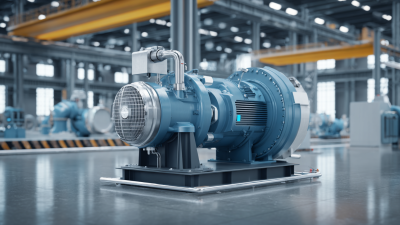
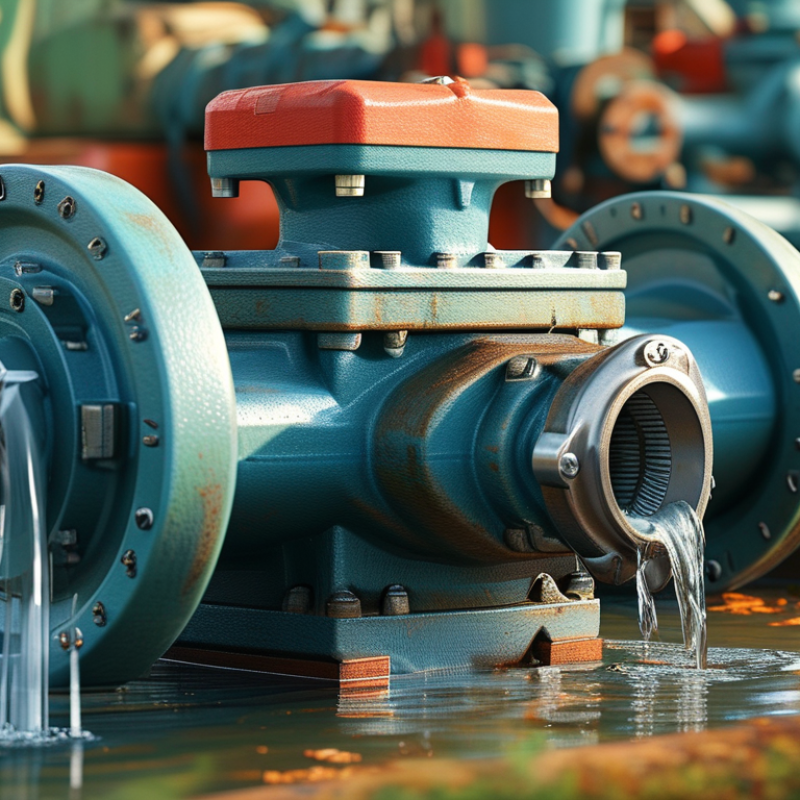
Centrifugal pumps are essential in various applications due to their efficient design. Understanding their mechanism is crucial for maximizing performance. They operate by converting rotational energy into hydrodynamic energy. The impeller spins rapidly, drawing fluids in and forcing them outwards. This motion creates a continuous flow of liquid.
When using centrifugal pumps, consider the specific application requirements. Different fluids have varying viscosities. A pump suited for water may not work for thicker liquids. Always check compatibility before installation.
Proper maintenance is key. Regular inspections help identify wear and tear early. Look for unusual noises or vibrations, as these may indicate issues. Timely repairs can prevent costly downtime.
Tips: Always keep the pump clean. Fluid debris can cause clogging. Monitor the temperature regularly to avoid overheating. فLastly, document any changes in performance. This can help in troubleshooting.
Top 10 Benefits of Using a Centrifugal Pump
Key Advantages of Centrifugal Pumps in Fluid Transfer Applications
Centrifugal pumps are vital in fluid transfer applications across various industries. Their design allows for efficient movement of liquids, making them a top choice. According to a report from the American Society of Mechanical Engineers, these pumps can achieve flow rates exceeding 3000 gallons per minute. This efficiency is essential for industries such as chemical processing and water treatment.
One of the key advantages is their adaptability. Centrifugal pumps can handle a wide range of fluids, from water to viscous substances. In fact, the Hydraulic Institute estimates that over 80% of pumps used globally are centrifugal. This versatility makes them suitable for diverse applications. However, users must consider the characteristics of the fluid, as not all pumps perform equally well under varying conditions.
Reliability is another significant benefit. Regular maintenance practices can enhance their longevity. Still, issues like cavitation and wear can affect performance. It's crucial for operators to monitor their systems actively. While these pumps dominate the market, understanding their limitations ensures optimal operation and prevents costly downtime.
Energy Efficiency: How Centrifugal Pumps Reduce Operational Costs
Centrifugal pumps are increasingly recognized for their energy efficiency. Data from the Hydraulic Institute indicates that these pumps can save up to 30% on operational costs compared to other pump types. This efficiency stems from their design, which allows for smooth and continuous flow. They reduce friction and energy waste, translating to lower electricity bills for businesses.
A recent study highlighted that integrating variable frequency drives (VFDs) with centrifugal pumps enhances their efficiency further. Reports show that combining VFDs with centrifugal systems can lead to energy savings of up to 50% in some applications. This improvement is crucial for industries, especially where energy costs significantly impact operational budgets.
However, it is essential to note the challenges in maintaining optimal efficiency. Improper sizing of centrifugal pumps can lead to hydraulic issues like cavitation, which diminishes performance and increases energy consumption. Regular maintenance and proper installation can help avoid these pitfalls, ensuring that pumps operate at peak efficiency. Understanding these factors can aid in maximizing energy savings and extending pump lifespan.
Versatility of Centrifugal Pumps Across Various Industries
Centrifugal pumps are a vital part of various industries, from manufacturing to agriculture. Their design allows for efficient fluid handling and adaptability to different processes. These pumps excel in moving both small and large volumes of liquids. They are used in applications ranging from water supply to chemical processing. This versatility makes them a reliable solution in many situations.
Tips for choosing the right centrifugal pump include understanding your fluid's properties. Consider viscosity and temperature variations. The pump's material should also resist corrosion in certain environments. Regular maintenance can extend a pump's life significantly. Always check for signs of wear or leaks. This attention to detail can prevent costly downtimes.
In the food industry, these pumps can handle gentle food transfer without damaging products. They are also used in wastewater treatment, ensuring effective fluid movement. However, with versatility comes the need for careful application. Poor matching between the pump and the system can lead to inefficiencies. Always assess your system requirements before making a decision.
Maintenance and Longevity: Benefits of Using Centrifugal Pumps
Centrifugal pumps are widely used due to their efficiency and reliability. They require less maintenance compared to other types of pumps. Their simple design results in fewer moving parts. This reduces wear and tear significantly. Routine checks often suffice to keep them running smoothly.
Proper maintenance practices extend the lifespan of centrifugal pumps. Regular inspections help identify potential issues early. For instance, checking for leaks or unusual noises can prevent major failures. Using the right lubricants is also crucial. Ensure to follow manufacturer guidelines when performing maintenance.
**Tips:** Keep a maintenance log. Document every inspection, repair, or adjustment you make. This will help in understanding pump performance over time. Prioritize replacing worn-out seals and bearings. Address these issues promptly to avoid costly replacements in the future. Always consult a professional when unsure about repairs.