Top 10 Benefits of Wastewater Package Plants for Sustainable Water Management?
In the realm of sustainable water management, the importance of wastewater package plants cannot be overstated. These compact treatment systems offer numerous advantages for communities and industries alike. According to a report from the Water Environment Federation, such plants can reduce energy consumption by up to 30% compared to traditional systems. "Wastewater package plants are revolutionizing how we approach water treatment," says Dr. Emily Carter, a leading expert in the field.
These plants provide efficient solutions for water reclamation. They are particularly valuable for remote areas or small municipalities with limited budgets. The installation process is relatively quick, allowing immediate improvements in local sanitation. However, it is essential to recognize that these systems require regular maintenance to function optimally. Failing to do so can lead to operational inefficiencies, undermining their potential benefits.
Additionally, while wastewater package plants are designed for efficiency, misuse can result in environmental risks. Understanding the balance between innovation and responsibility is crucial. As we embrace the advantages, we must remain vigilant. The conversation around wastewater management continues to evolve, and these plants stand at the forefront of sustainable progress.
Overview of Wastewater Package Plants in Water Management
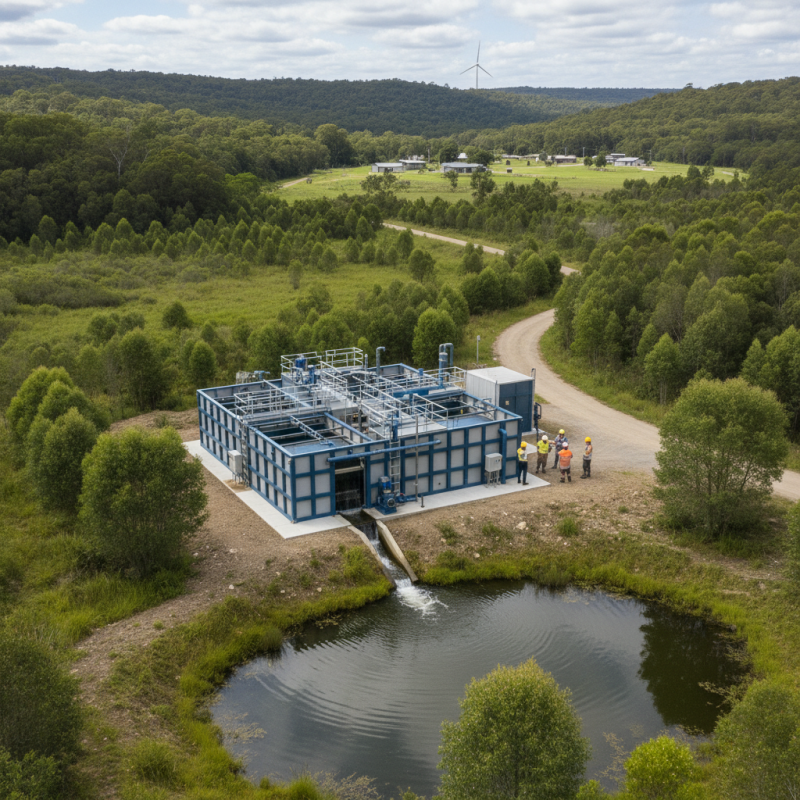
Wastewater package plants play a crucial role in sustainable water management. These compact systems treat wastewater efficiently and can be deployed in remote areas. According to a 2022 report by the Water Environment Federation, modular systems can reduce energy consumption by up to 30%. This efficiency is vital, especially in regions facing water scarcity.
These plants are designed for maximum flexibility and scalability. They can be implemented quickly, often within weeks, which is essential for communities in need of immediate solutions. The global market for wastewater treatment is expected to reach $56 billion by 2025, highlighting the growing demand for such innovative technologies. However, some plants face challenges with maintenance and regulatory compliance. Monitoring water quality is critical, and improper management can lead to environmental risks.
While wastewater package plants have many benefits, there are areas for improvement. Technology continues to advance, but some systems lack integration with existing infrastructure. Furthermore, public awareness about these solutions remains low, hindering broader adoption. Addressing these concerns can pave the way for more sustainable water management practices worldwide.
Top 10 Benefits of Wastewater Package Plants for Sustainable Water Management
| Benefit | Description | Impact on Water Management |
|---|---|---|
| Space Efficiency | Compact design allows for installation in limited spaces. | Enhances urban wastewater management. |
| Cost-Effectiveness | Lower installation and operational costs compared to traditional plants. | Provides affordable solutions for communities. |
| Modular Design | Easily expandable to meet increasing demand. | Facilitates scalable water management solutions. |
| Quick Installation | Rapid deployment, often within weeks. | Addresses urgent wastewater needs promptly. |
| Advanced Treatment Technologies | Utilizes innovative methods for effective treatment. | Improves overall water quality standards. |
| Reduced Energy Consumption | Innovative designs lead to lower energy use. | Supports sustainable energy use in water management. |
| Environmentally Friendly | Minimizes environmental impact during operation. | Promotes sustainability in local ecosystems. |
| Compliance with Regulations | Ensures adherence to local wastewater treatment regulations. | Facilitates regulatory compliance for operators. |
| Odor Control | Incorporates design features for effective odor management. | Enhances community acceptance of plants. |
| Reuse of Treated Water | Facilitates the recycling of water for various uses. | Contributes to water conservation efforts. |
Key Advantages of Using Wastewater Package Plants
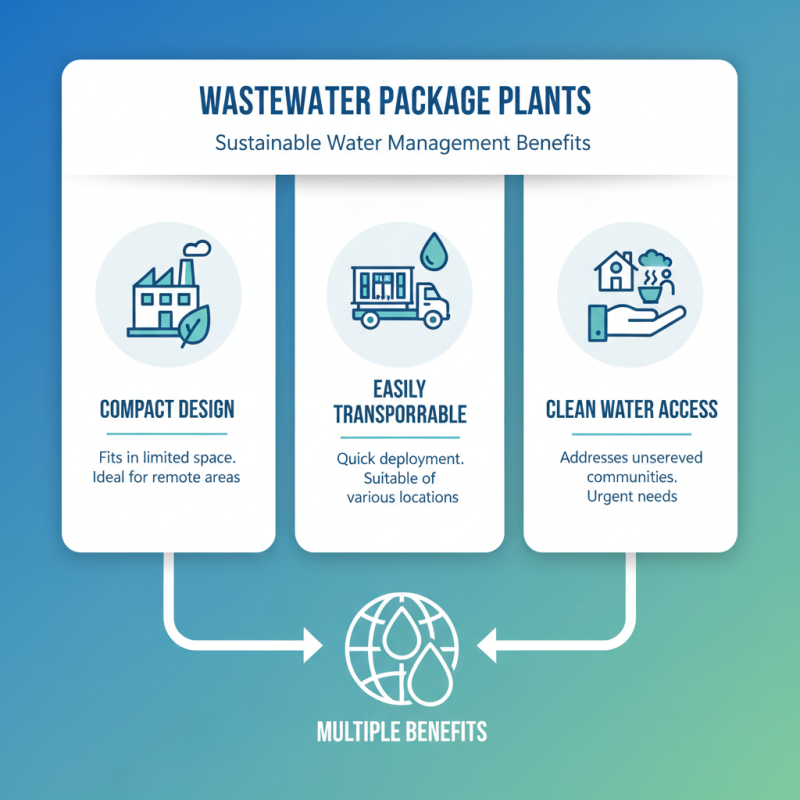
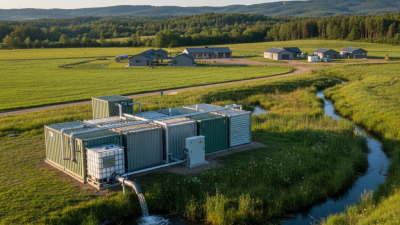
Wastewater package plants offer multiple benefits for sustainable water management. One key advantage is their compact design. These plants can be deployed in remote areas with limited space. They're easily transportable, making them suitable for various locations. This flexibility addresses the urgent need for clean water in underserved communities.
Another important aspect is efficiency. They are designed to treat wastewater effectively at lower costs. This helps reduce the strain on existing municipal systems. However, challenges remain. Some facilities may lack advanced technologies available in larger plants. Ensuring reliability in treatment quality is crucial. Regular maintenance and monitoring are essential to meet safety standards.
The environmental impact is significant. Package plants can reduce nutrient runoff into local waterways. Implementing such systems supports the circular economy by recycling water. Yet, they still require thoughtful management. Operators must stay informed about best practices to optimize performance. As the demand for sustainable solutions grows, these plants offer exciting possibilities.
Environmental Benefits of Wastewater Treatment Solutions
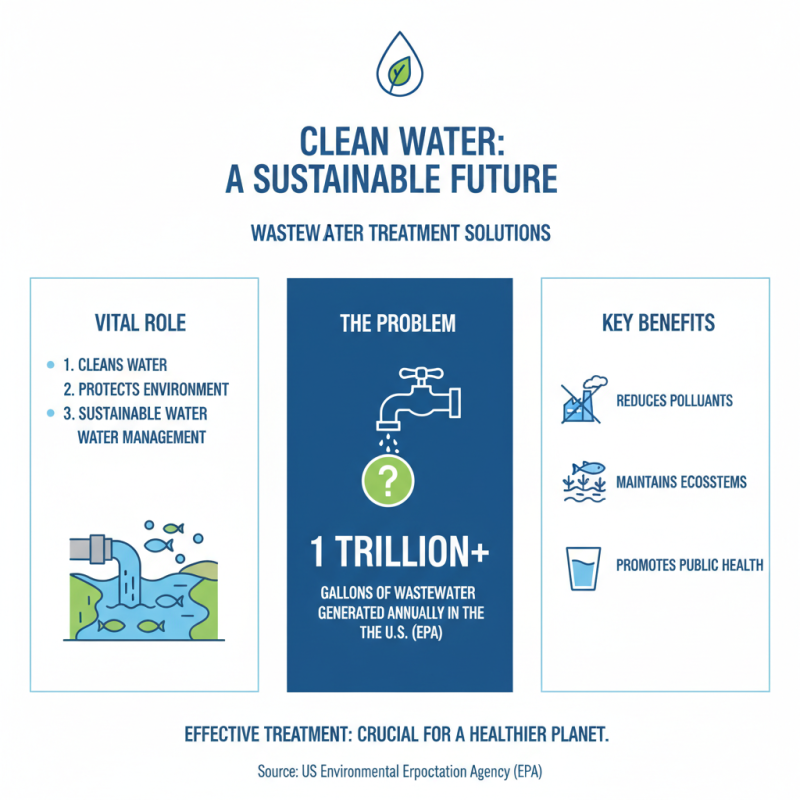
Wastewater treatment solutions play a vital role in sustainable water management. These plants not only clean water but also protect the environment. According to the U.S. Environmental Protection Agency, over 1 trillion gallons of wastewater are generated every year. Effective treatment is crucial. It reduces pollutants and helps maintain ecosystems.
Wastewater package plants significantly lower nutrient loads in water bodies. For example, a study by the Water Environment Federation reported a 30% reduction in nitrogen levels after implementation. This improvement helps combat algae blooms and promotes healthier aquatic life. Yet, implementation isn't always seamless. Some plants struggle with efficiencies and operational challenges, emphasizing the need for better training and technology.
Moreover, treated wastewater can be reused in various sectors. Reusing this water for irrigation or industry reduces the demand on freshwater sources. Yet, there are concerns about pathogens and chemical residues. Addressing these issues is crucial for public safety and environmental health. Balancing innovation and practicality remains a critical challenge for the industry.
Economic Impact of Wastewater Package Plants on Local Communities
Wastewater package plants are gaining traction in local communities. They offer myriad economic benefits that can revitalize areas. For instance, a recent report from the American Society of Civil Engineers highlights that upgrading wastewater management can yield $8 billion in economic growth over five years. These plants require fewer resources and can be deployed quickly, providing jobs during installation and ongoing operations.
Additionally, they can reduce overall operational costs for municipalities. This cost-effectiveness is crucial for smaller communities. Many lack the budget for large-scale wastewater treatment facilities. These compact solutions align with sustainable practices. They ensure cleaner water while promoting local economies. However, challenges remain. Not all plants perform equally, and some may struggle with efficiency. Proper training is essential to maximize their potential.
Community engagement plays an integral role in success. Without local support, even the best systems can falter. Recent surveys indicated that public awareness of treatment processes can increase community involvement by over 40%. This involvement fosters accountability and promotes better maintenance. It's evident that while wastewater package plants present a pathway to economic growth, they require a balanced approach to fully realize their benefits.
Technological Innovations Enhancing Wastewater Treatment Efficiency
Wastewater package plants are proving to be game-changers in sustainable water management. Technological innovations have significantly enhanced their efficiency. For instance, advanced filtration systems are now more compact. This allows for effective treatment in smaller spaces. Ultrafiltration and microfiltration technologies are filtering out contaminants at a microscopic level. This reduces the need for extensive land use.
Moreover, automation plays a crucial role in these plants. Real-time monitoring systems track water quality continuously. These systems alert operators to any issues instantaneously. However, reliance on technology can lead to complacency. Some operators may overlook basic maintenance tasks if they trust technology too much.
Another noteworthy innovation is bioreactor advancements. These systems utilize microorganisms to treat wastewater. They require less energy while maximizing treatment efficiency. Yet, the balance between innovation and environmental impact remains delicate. Over-reliance on these systems might neglect traditional and effective methods. Each step forward needs careful consideration to ensure a sustainable future.
Top 10 Benefits of Wastewater Package Plants for Sustainable Water Management
Related Posts
-
Exploring Innovations in Package Wastewater Treatment Plants at the 138th Canton Fair 2025
-
Understanding the Essential Steps in the Wastewater Treatment Plant Process
-
Top 10 Effective Waste Water Treatment Methods You Need to Know
-
Understanding the Wastewater Treatment Process: 90% of Water Can Be Recycled with Effective Methods
-

Top 2025 Innovations in Waste Water Treatment Process for Sustainable Solutions
-
What is a Wastewater Package Plant? Benefits and Applications Explained