What Is the Best Duraband Nozzle Band Heater in 2026?
Choosing the best Duraband Nozzle Band Heater in 2026 depends on more than a product label. The right heater should match the nozzle’s dimensions, operating temperature, power requirements, and available space. A close fit matters. Poor contact can reduce heat transfer and create uneven temperatures around the nozzle. In a working shop, that may show up as inconsistent material flow, longer warm-up times, or repeated adjustments.
This guide looks at practical selection factors, including construction, insulation, lead configuration, and compatibility with the machine. It also explains which details to verify with the manufacturer or supplier before ordering. Product specifications can vary by model, so a heater should never be chosen from appearance alone. Check the stated voltage and wattage against your equipment, and confirm the dimensions rather than estimating from a photograph. Small differences matter here.
There is no single best option for every setup. A heater suited to one nozzle size or production schedule may be a poor match elsewhere. That is worth remembering. The comparisons in this guide focus on verifiable specifications and useful application details, not broad claims that one design fits all. Where information is limited, the uncertainty should be clear. That makes the decision more reliable—and easier to revisit if the first choice does not perform as expected.
What Is a Duraband Nozzle Band Heater?
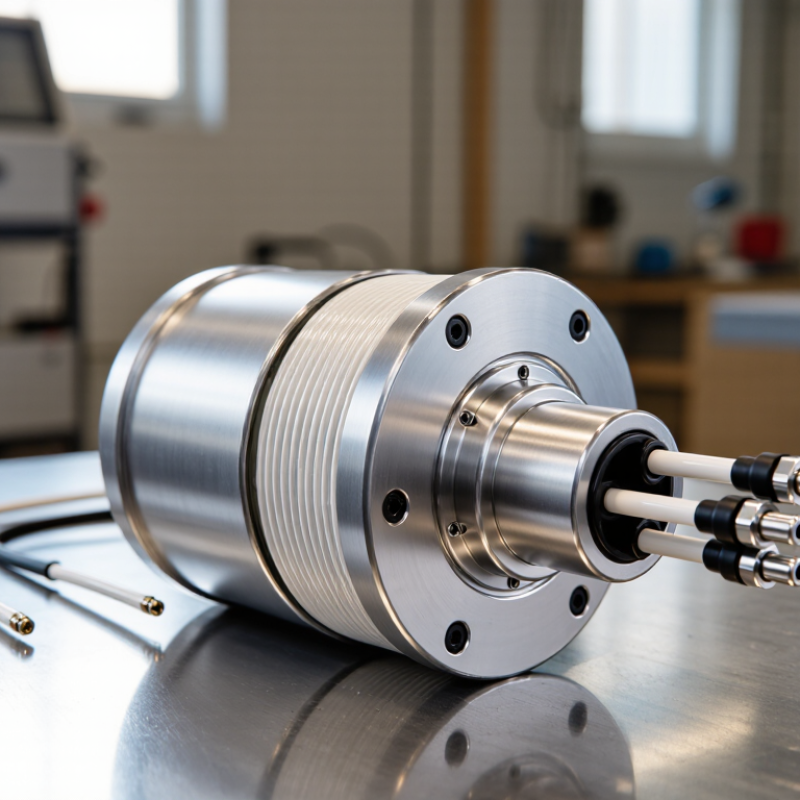
A nozzle band heater is an electrically powered ring that clamps around an injection-molding machine’s nozzle. Its resistance element converts electricity into heat, which passes through the metal sheath and into the nozzle. The goal is steady heat near the melt channel, helping keep plastic flowing at the set process temperature. Small part. Important job.
Most designs combine a resistance wire, electrical insulation, and a metal outer casing. A thermocouple or nearby sensor provides temperature feedback to the controller. Fit matters: a loose band can create uneven contact, while a poorly matched heater may leave cold spots or overheat nearby components. In practice, check the nozzle’s diameter, available space, voltage, wattage, and operating temperature before choosing a unit.
The U.S. Department of Energy’s 2015 Bandwidth Study estimated that process heating represented about 36% of U.S. manufacturing energy use. That figure covers manufacturing broadly, not nozzle heaters alone, but it shows why heat management matters. A band heater cannot fix every temperature problem; sensor placement, machine settings, and material behavior also play a part. I would treat the rated temperature as a design limit, not a promise of perfectly uniform heat.
How Its Construction and Heating Method Work
A nozzle band heater surrounds the outside of a molding-machine nozzle, where a close fit helps transfer heat into the metal. Its outer shell is usually formed from stainless steel or another heat-resistant alloy. Inside, an electrical resistance element sits within insulating material, often mica or ceramic, depending on the design. The layers separate the live element from the shell while directing heat toward the nozzle. Construction varies, so check the heater’s specifications rather than assuming every unit uses the same materials.
When current passes through the resistance element, it produces heat. That heat moves through the insulation and metal shell, then conducts into the nozzle and the plastic inside. A clamping band or bolts hold the heater in place; uneven contact can create cooler areas and slower heat-up. Fit matters. Even a small gap can reduce transfer, though temperature readings also depend on sensor placement and machine settings. A practical check is to inspect the nozzle circumference for firm contact and look for damaged leads or loose fasteners after the equipment has cooled. Not every uneven reading means the heater has failed. The control system, thermocouple position, and process conditions can also be responsible, so diagnosis should consider the whole setup.
In a mica-insulated band heater, electrical current heats the resistance element, typically a nickel-chromium alloy. Heat then passes through the electrical insulation and metal sheath to the nozzle. The chart shows representative room-temperature thermal conductivity values; actual values vary by material grade and construction, and conductivity alone does not determine heater performance.
Key Factors for Comparing Duraband Nozzle Heaters
Compare heaters by bore diameter, band width, voltage, wattage, and lead configuration. The band should sit snugly around the nozzle without forcing the clamp or leaving a visible gap. Check the nozzle’s available length and nearby fittings; a heater that fits on paper may obstruct a wrench or thermocouple. Material and insulation matter too, especially where temperatures cycle often or heat loss affects process stability. Look for clear temperature limits and installation guidance, not just a high wattage figure.
Tips: Measure the nozzle at several points, then verify the heater’s inner diameter and width. Confirm supply voltage and controller compatibility before ordering. Keep the lead route clear of moving parts. Small detail, big headache.
During comparison, consider response time, temperature uniformity, and how easily the heater can be replaced during maintenance. Ask for documented electrical and dimensional specifications, and compare them against your machine’s actual setup. A well-fitted unit may reduce cold spots, but results also depend on sensor placement, insulation, and operating habits. If two options look nearly identical, the choice is not always obvious. Check service access and spare-part availability, then test temperature stability after installation using your normal production cycle. Record what changes. That evidence is more useful than a glossy claim.
What Is the Best Duraband Nozzle Band Heater in 2026? - Key Factors for Comparing Duraband Nozzle Heaters
| Heater Construction | Typical Operating Temperature | Typical Watt Density | Heating Response | Best-Fit Application | Key Comparison Checks |
|---|---|---|---|---|---|
| Mica-insulated band heater | Often used for nozzle temperatures up to approximately 300°C (572°F), subject to the heater’s rated limits. | Commonly about 3–6 W/cm² (19–39 W/in²), depending on design and fit. | Generally quick to heat because of its relatively low thermal mass. | General-purpose injection-molding nozzles and applications with moderate temperature requirements. | Check the inner diameter, band width, voltage, wattage, lead exit, and whether the heater can clamp evenly around the nozzle. |
| Ceramic-insulated band heater | Some designs are rated for continuous use around 500–600°C (932–1112°F); verify the specific product rating. | Often about 3–8 W/cm² (19–52 W/in²), depending on construction and operating conditions. | Typically slower to respond than a lightweight mica design, but suited to higher-temperature service. | Higher-temperature processes or installations where a flexible heater construction is beneficial. | Compare maximum temperature, insulation quality, heater flexibility, terminal protection, and the permitted bend radius. |
| Compact high-watt-density nozzle heater | Varies by construction; confirm the specified continuous temperature and allowable surface loading. | May be higher than standard band designs; use the manufacturer’s rated value rather than a generic maximum. | Can deliver rapid heat-up, but performance depends strongly on contact area and control settings. | Restricted spaces or processes that need a small heater footprint and fast temperature recovery. | Check surface loading, temperature uniformity, sensor placement, terminal clearance, and the risk of localized overheating. |
| Custom-formed nozzle heater | Set by the selected insulation, sheath, leads, and process conditions. | Specified for the application rather than defined by a universal range. | Depends on the heater’s mass, fit, and power rating. | Non-standard nozzle shapes, unusual clearances, or installations requiring a particular lead orientation. | Provide accurate dimensions, operating temperature, supply voltage, available space, lead direction, and sensor requirements. |
| Cartridge heater in a drilled nozzle | Depends on cartridge construction and the nozzle’s rated operating conditions. | Selected according to cartridge size, bore fit, and heat-transfer requirements. | Can provide direct internal heating when the bore and cartridge fit are correctly engineered. | Nozzles designed with suitable bores where external band clearance is limited. | Check bore diameter and depth, clearance, insertion fit, wattage per length, and the method used to replace the cartridge. |
Common Applications in Plastic Processing
Nozzle band heaters are commonly used around injection-molding machine nozzles, where they help keep plastic melt at a workable temperature. A steady nozzle temperature can reduce cold material, stringing, and inconsistent shots. The effect depends on resin, cycle time, and machine setup, so a heater alone cannot correct every molding problem. Small details matter. Operators often notice trouble first as uneven filling or material clinging to the nozzle tip.
On extrusion lines, these heaters may serve compact nozzle sections, adapters, and other small melt passages that need localized heat. They are useful where a larger barrel heater cannot fit or would warm too much of the assembly. For selection, check the nozzle diameter and length, available voltage, required wattage, and sensor location. A close mechanical fit improves heat transfer; a loose band may create hot and cool spots. It is tempting to choose the highest wattage, but that can cause overshoot, especially during short production runs. Material changes also deserve attention, since different plastics need different processing windows. In practice, the heater’s fit and control setup can matter as much as its rated output.
How to Choose the Right Model in 2026
In 2026, the right nozzle band heater is the one that fits the machine and holds temperature steadily—not simply the one with the highest wattage. Measure the nozzle’s outside diameter and heated length, then check the available voltage, target temperature, and lead orientation. A few millimeters matter. A loose band can create uneven contact, while an oversized unit may interfere with nearby tooling.
Match the heater’s construction to the process. Stainless-steel sheathing can suit demanding shop conditions; insulation may reduce heat loss where the layout allows it. Check the sensor location and temperature-control method, too. A reading far from the nozzle’s working zone can mislead operators.
The U.S. Department of Energy’s 2017 Bandwidth Study estimates process heating accounts for about 36% of manufacturing energy use. That figure covers manufacturing broadly, not nozzle heaters alone, but it makes heat efficiency worth checking.
Compare models using measured warm-up time, temperature stability, and energy use under the same operating conditions. Ask for rated voltage, wattage, maximum temperature, dimensions, and installation guidance. Then verify the fit during a controlled trial. Small details count. One limitation: catalog ratings rarely reproduce a real machine’s airflow, cycle time, or contact pressure. A careful selection still needs observation after installation.