Best Screw Pumps for Efficient Liquid Transfer Solutions?
Screw pumps are vital in various industries for efficient liquid transfer. Their design allows for smooth handling of viscous fluids. This capability makes them a preferred choice for many applications, such as oil, chemicals, and food processing.
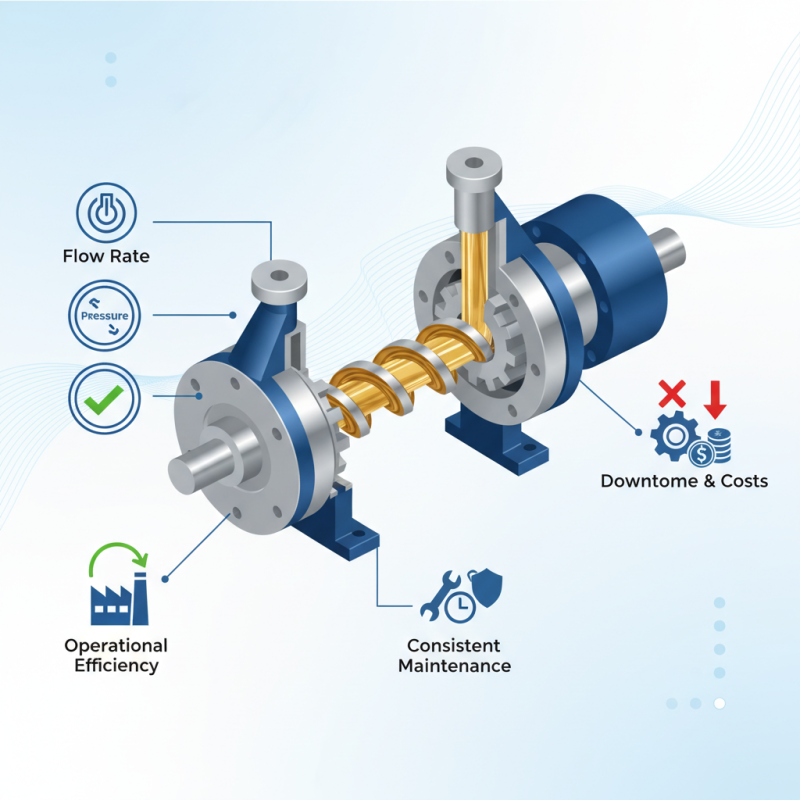
Selecting the best screw pumps involves evaluating several factors. These include flow rate, pressure, and viscosity of the liquids. The right pump can significantly enhance operational efficiency. However, choosing poorly can lead to increased downtime and costs.
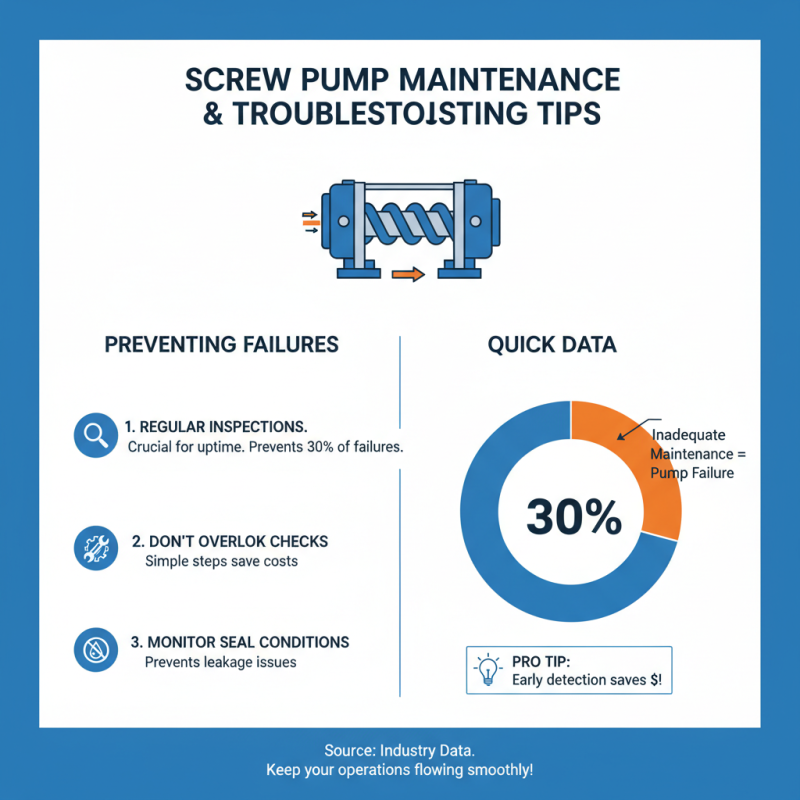
Moreover, the reliability of screw pumps impacts production. Consistent maintenance is necessary to safeguard their performance. Users often overlook this aspect, which can lead to unexpected failures. Thus, investing time in proper selection and upkeep is essential for leveraging the full benefits of screw pumps in liquid transfer.
Overview of Screw Pumps and Their Applications in Liquid Transfer
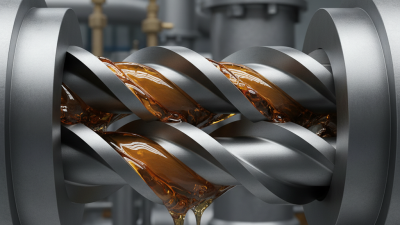
Screw pumps are essential tools in various industries for efficient liquid transfer. These pumps utilize a rotating screw mechanism to move fluids with minimal turbulence and shear. Their design is simple yet effective, allowing them to handle a variety of liquids, including viscous substances. This versatility makes them popular in sectors like food processing, chemical engineering, and wastewater treatment.
Understanding the applications of screw pumps is crucial. In food processing, for instance, they transfer syrups and oils with precision. In chemical industries, they manage the movement of corrosive substances safely. However, not all screw pumps are created equal. Their efficiency can depend on the specific liquid's viscosity and density. This variability highlights the importance of choosing the right pump for the task. Poor selection may lead to inefficiencies or even damage to equipment.
Installations often require careful planning. Misalignment can cause wear or failure. Regular maintenance is also a must to ensure reliability. Observing how these pumps perform over time can offer valuable insights. Not every screw pump operates at peak efficiency. Recognizing these imperfections allows for adjustments that enhance performance. Each scenario presents unique challenges, making expertise in screw pump applications invaluable.
Best Screw Pumps for Efficient Liquid Transfer Solutions
This chart illustrates the flow rates of screw pumps across various liquid types, showcasing their efficiency in liquid transfer solutions. Different applications require different flow rates, emphasizing the versatility of screw pumps in handling diverse liquids.
Types of Screw Pumps: Single, Twin, and Multi-Screw Designs
Screw pumps are vital in many industries for liquid transfer. Their versatility stems from different designs: single-screw, twin-screw, and multi-screw pumps. Each type has unique characteristics suitable for various applications.
Single-screw pumps are straightforward and effective for low-viscosity fluids. They operate using a single rotor, offering simplicity and reliability. According to industry reports, they dominate about 30% of the market due to their uncomplicated mechanics. However, they may struggle with higher viscosity liquids.
Twin-screw pumps feature two helical rotors, making them efficient for a broader range of fluids. These pumps can handle varying viscosities effectively and minimize pulsation. Studies show that twin-screw pumps can achieve flow rates up to 1,000 m³/h, proving their efficiency. Nonetheless, their complexity means they require careful maintenance, which can raise operational costs.
Multi-screw pumps, on the other hand, are designed with three or more screws. They offer high pressure and flow rates, often exceeding those of twin-screw pumps. Reports indicate that multi-screw pumps can maintain consistent flow even with highly viscous liquids. However, they may present challenges in installation and require precise alignment. Each pump type has its pros and cons, reflecting the need for careful consideration in selection.
Advantages of Using Screw Pumps for Efficient Liquid Transfer
Screw pumps offer a unique and efficient solution for liquid transfer. They excel in handling various viscosities, making them ideal for transporting thick liquids. According to industry reports, screw pumps can maintain a consistent flow rate, regardless of changes in pressure. This characteristic is crucial for processes needing precise liquid delivery.
One major advantage of screw pumps is their low shear properties. They do not significantly agitate or aerate the fluid. This feature is beneficial when transferring sensitive liquids, like pharmaceuticals or food products. Furthermore, reports indicate that screw pumps can achieve efficiencies exceeding 85% under optimal conditions. This level of efficiency can lead to reduced energy costs and lower operational expenses for companies.
However, not every application suits screw pumps. They can struggle with certain abrasive materials. Frequent maintenance might be necessary to address wear and tear. Some facilities find that the initial investment can be high, which leads to hesitance in adoption. Users must weigh these factors against the benefits to find a suitable balance for their operations.
Key Factors to Consider When Selecting a Screw Pump
When selecting a screw pump, several essential factors come into play. The fluid's properties are crucial. For instance, viscosity affects the pump's performance significantly. High-viscosity liquids require pumps with stronger mechanisms. Understanding the specific fluid characteristics helps in choosing the right pump design.
Another consideration is the required flow rate. Screw pumps are versatile, but the right model needs to match the flow rate required for your application. Low flow rates may not suit high-capacity pumps. Therefore, knowing your system's demands is vital.
Pump materials are also critical. Will the pump come into contact with corrosive substances? Selecting appropriate materials ensures longevity and reliability. Each application might require a different construction, which can impact efficiency. Balancing these factors can be challenging. Many users overlook specific details that can lead to pump failure. Always consider expertise when making a decision.