2026 Best Wastewater Treatment Plant Process Explained
The "wastewater treatment plant process" is crucial for sustainable water management. The World Health Organization reports that nearly 80% of global wastewater is released without treatment. This poses significant risks to public health and ecosystems. Efficient treatment processes can mitigate these risks, transforming wastewater into valuable resources.
In the United States alone, approximately 14,000 wastewater treatment plants operate, treating over 34 billion gallons daily. However, many plants struggle with outdated technology. This outdated infrastructure often leads to inefficiencies, reflecting the need for innovation. The 2026 landscape presents opportunities for improved treatment methods that can adapt to growing populations and climate change pressures.
Many facilities are now exploring advanced processes such as membrane bioreactors and decentralized systems. Yet, challenges remain. Financial constraints and regulatory hurdles often hinder upgrades. A commitment to adopting advanced methodologies is essential for ensuring clean water access for future generations. Effective strategies must integrate modern technology while addressing the environmental impact of existing practices.
2026 Overview of Wastewater Treatment Plant Processes and Technologies
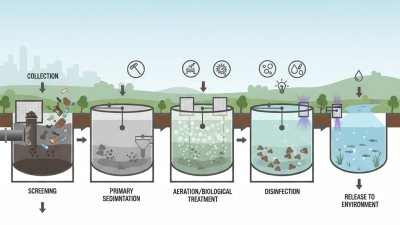
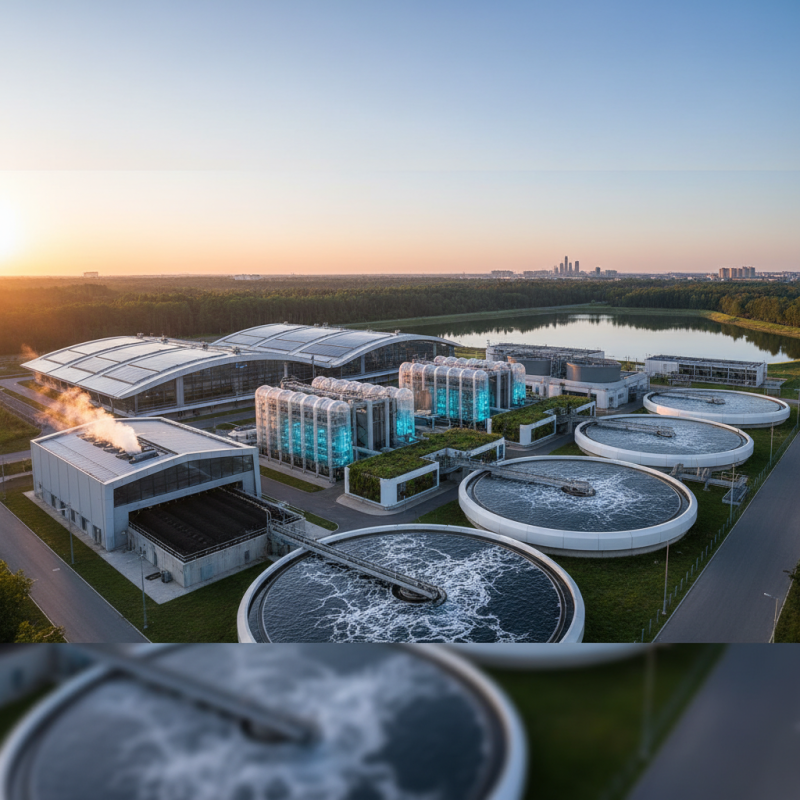
Wastewater treatment plants play a crucial role in maintaining environmental health. Various processes help manage and treat wastewater effectively. The primary stages include preliminary, primary, secondary, and tertiary treatments. Each stage has its specific function, contributing to overall water quality improvement.
In preliminary treatment, large debris and solids are removed. Screening and sedimentation are common methods used. The focus here is on removing materials that could damage equipment. In secondary treatment, biological processes take center stage. Microorganisms break down organic matter. This stage is essential, but it often faces challenges like nutrient imbalance.
Tertiary treatment further purifies water. It may include filtration and disinfection. However, not all facilities implement this stage thoroughly. There are gaps in technology adoption. Some plants struggle with outdated systems. Continuous evaluation and modernization are necessary. It's vital to address these shortcomings for better water quality.
2026 Best Wastewater Treatment Plant Processes Overview
| Process Type |
Description |
Efficiency (%) |
Cost ($/m³) |
Technology |
| Activated Sludge |
Biological treatment process using aeration and microorganisms. |
85 |
0.50 |
Aerobic Treatment |
| Membrane Bioreactor |
Combines biology and membrane filtration for high-quality effluent. |
90 |
1.20 |
Membrane Filtration |
| Constructed Wetlands |
Natural treatment system using wetland vegetation and soils. |
70 |
0.30 |
Natural Treatment |
| Reverse Osmosis |
Membrane process for removing contaminants from water. |
95 |
2.00 |
Filtration Technology |
| Integrated Fixed Film Activated Sludge |
Combines fixed film and suspended growth in one system. |
88 |
0.80 |
Hybrid Treatment |
Key Parameters for Assessing Wastewater Treatment Efficiency
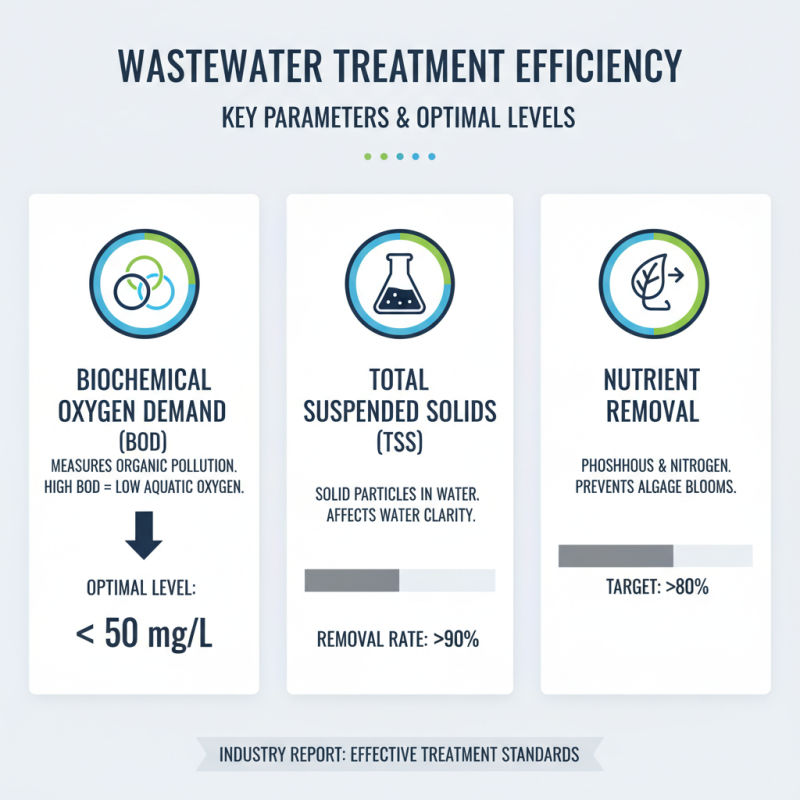
In assessing wastewater treatment efficiency, key parameters play a crucial role. These parameters include biochemical oxygen demand (BOD), total suspended solids (TSS), and nutrient removal rates. According to a recent industry report, the optimal BOD levels should be below 50 mg/L for effective treatment. High BOD can lead to inadequate oxygen levels in water bodies, harming aquatic life.
Clarity is also vital. TSS values should ideally range below 30 mg/L post-treatment. Plants often struggle to meet these benchmarks, reflecting system inefficiencies. Monitoring nutrient levels, particularly nitrogen and phosphorus, is essential. Excessive nutrients can lead to eutrophication, a significant environmental concern.
Tip: Regularly calibrate measurement equipment to ensure accuracy. Small discrepancies can lead to misinterpretations. Another insight is to adopt real-time monitoring systems. They provide instant feedback, allowing for quick decisions.
Efficiency is not just about meeting standards. Challenges often arise due to outdated infrastructure or inadequate processes. Efforts to implement advanced technologies can falter due to cost constraints. It's essential to evaluate current capabilities and identify areas for improvement.
Innovative Techniques: Membrane Bioreactors and Their Impact
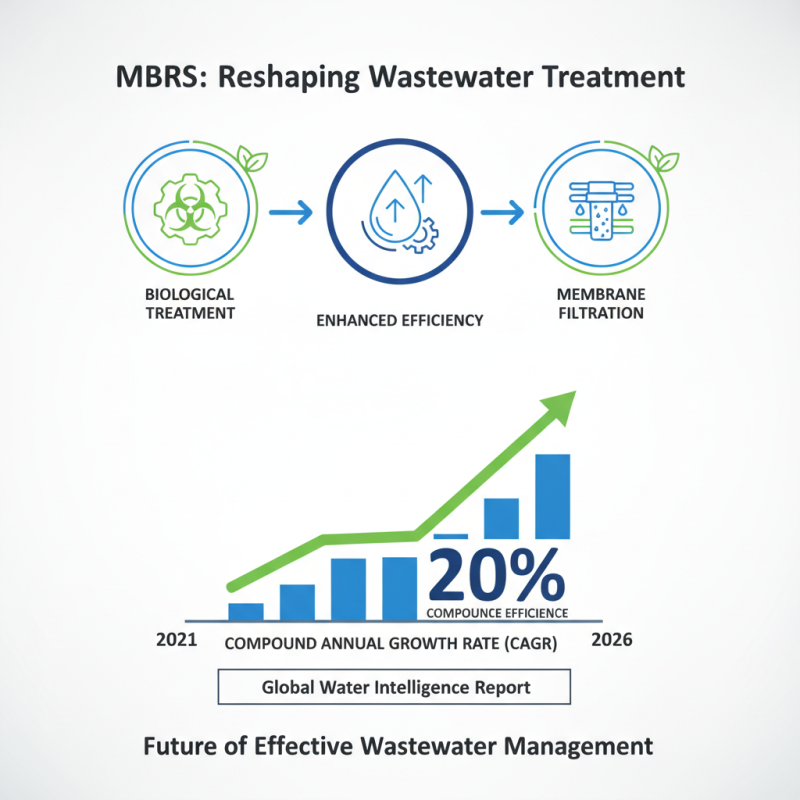
Membrane bioreactors (MBRs) are reshaping wastewater treatment. By combining biological treatment and membrane filtration, MBRs enhance efficiency. According to a report by Global Water Intelligence, MBR technology is expected to grow at a compound annual growth rate of 20% from 2021 to 2026. This growth illustrates the increasing reliance on effective wastewater management solutions.
One key benefit of MBRs is their ability to produce high-quality effluent. This makes them suitable for water reuse applications. However, the technology is not without challenges. Membrane fouling can occur, leading to higher operational costs. Reports indicate that fouling can reduce membrane life by up to 30%, requiring periodic cleaning and replacement. Operators must stay vigilant to maintain performance.
**Tips:** Regular monitoring is crucial for optimum performance. Implementing a cleaning schedule can mitigate fouling issues. Operators should also assess the cost versus benefits of MBRs in their facilities. The right approach to MBR technology can lead to remarkable advancements in wastewater treatment.
Comparative Analysis of Aerobic vs. Anaerobic Treatment Methods
When it comes to wastewater treatment, aerobic and anaerobic processes are two main methods.
Aerobic treatment uses oxygen to break down organic matter. This method is often
fast and efficient. Oxygen supports the growth of bacteria that feed on waste. However, it requires significant energy for aeration.
This can drive up operational costs and impact sustainability.
On the other hand, anaerobic treatment functions without oxygen. It relies on bacteria that
thrive in low-oxygen environments. This method produces biogas as a byproduct, which can be used as renewable energy. Anaerobic processes
typically have lower energy needs. Yet, they can struggle with specific waste types and may require long retention times.
Both methods have strengths and weaknesses. Aerobic treatment can achieve quick results but at a cost. Anaerobic treatment is more
sustainable but might not handle all waste effectively. Understanding these differences is crucial for selecting
the right approach for a treatment plant. Each facility must assess its unique needs and challenges. Balancing efficiency and
environmental impact is essential for responsible wastewater management.
Future Trends in Wastewater Treatment: Sustainability and Resource Recovery
As we approach the future of wastewater treatment, sustainability is becoming a key focus. With increasing urban populations, wastewater management must evolve. Traditional methods often ignore resource recovery. Instead, we should harness what we can from waste.
Innovative techniques allow us to extract valuable materials from wastewater. For example, biogas can be produced from organic waste. This energy can power treatment plants. Phosphorus recovery is another area to explore. It reduces pollution while providing a vital nutrient for agriculture.
Challenges remain, however. Not all facilities can implement new technologies effectively. Costs can be a barrier. Training staff also takes time and resources. Balancing innovation with practicality is essential. The path to sustainable wastewater treatment is complex and requires ongoing commitment.