China Best Wastewater Package Plant Solutions for Sustainable Development?
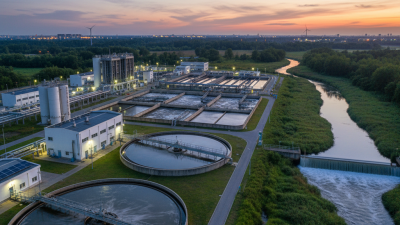
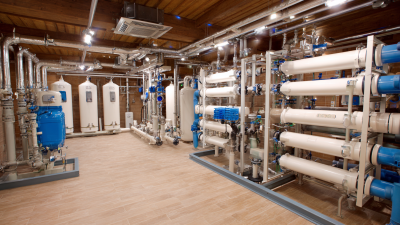
The importance of sustainable development has never been more critical. As urbanization accelerates, managing wastewater efficiently becomes a challenge. The wastewater package plant emerges as a practical solution. These compact systems treat wastewater effectively and can be installed in various settings.
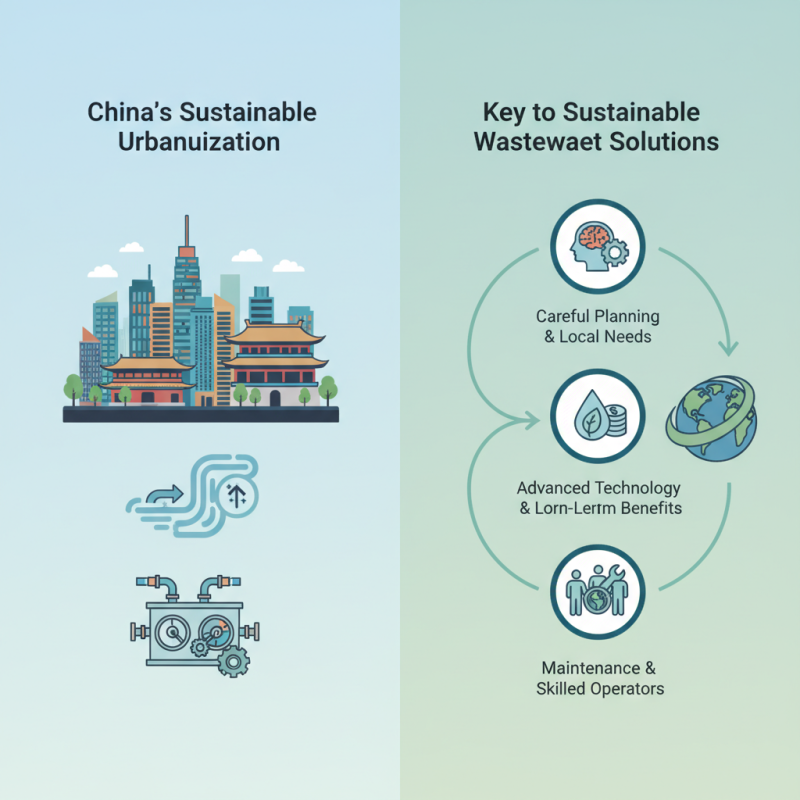
Development of a wastewater package plant involves careful planning. Oftentimes, local conditions are overlooked. This can lead to inefficiencies and increased costs. It is vital to consider the community's needs and environmental impact. Addressing these factors helps create sustainable systems that benefit society.
Investing in advanced wastewater package plants can yield long-term benefits. However, maintenance and operator training are often neglected. Without proper care, these plants may not function optimally. A reliable workforce is essential for successful implementation. Balancing innovation with practical execution is key to achieving sustainability.
Overview of Wastewater Treatment Solutions in China
China's approach to wastewater treatment is evolving rapidly. With urbanization increasing, more than 300 million people lack adequate sanitation. The need for efficient and sustainable wastewater solutions has never been greater. According to the Ministry of Ecology and Environment, China treats around 95% of urban wastewater, but issues remain in rural areas. Many plants operate below optimal efficiency, highlighting the need for innovation.
Advanced technologies are being adopted to enhance treatment processes. For instance, membrane bioreactor (MBR) systems are gaining traction. They integrate biological treatment with membrane filtration. This method can reduce space requirements and improve effluent quality. While these systems promise efficiency, high operational costs and the need for skilled operators pose challenges. Reports indicate the average cost of MBR systems can be up to 30% more than traditional methods.
Regulatory frameworks are also evolving to support sustainable practices. Local governments are encouraged to invest in eco-friendly solutions. Yet, many face budget constraints, leading to subpar implementation of advanced technologies. Ensuring effective maintenance of existing infrastructure is another area needing attention. Studies suggest that more than 20% of existing wastewater plants in smaller cities underperform due to neglect. Addressing these issues is critical for sustainable development in China.
Key Technologies Used in China's Wastewater Package Plants
China has made significant strides in wastewater treatment technology. The nation’s package plants illustrate innovative solutions for managing water resources. These compact systems treat wastewater effectively in limited spaces. They are especially useful in rural and developing areas. Many of these plants utilize advanced filtration methods, such as membrane bioreactors. This technology ensures high-quality effluent, suitable for various uses.
Another key technology is the use of automated control systems. These systems enable real-time monitoring and adjustments, enhancing efficiency. However, there are challenges. Some plants struggle with maintenance due to their location. Trained personnel might be scarce in remote areas. This can lead to operational issues and affect overall performance. Addressing these workforce gaps is essential for sustainable development.
Moreover, energy consumption remains a concern. While some plants use renewable energy sources, others rely on fossil fuels. This can undermine their sustainability goals. Continuous improvements in energy efficiency are necessary. By focusing on these areas, China can enhance the efficacy of its wastewater treatment solutions. This progress supports broader environmental objectives and water management strategies.
Benefits of Sustainable Wastewater Management Practices
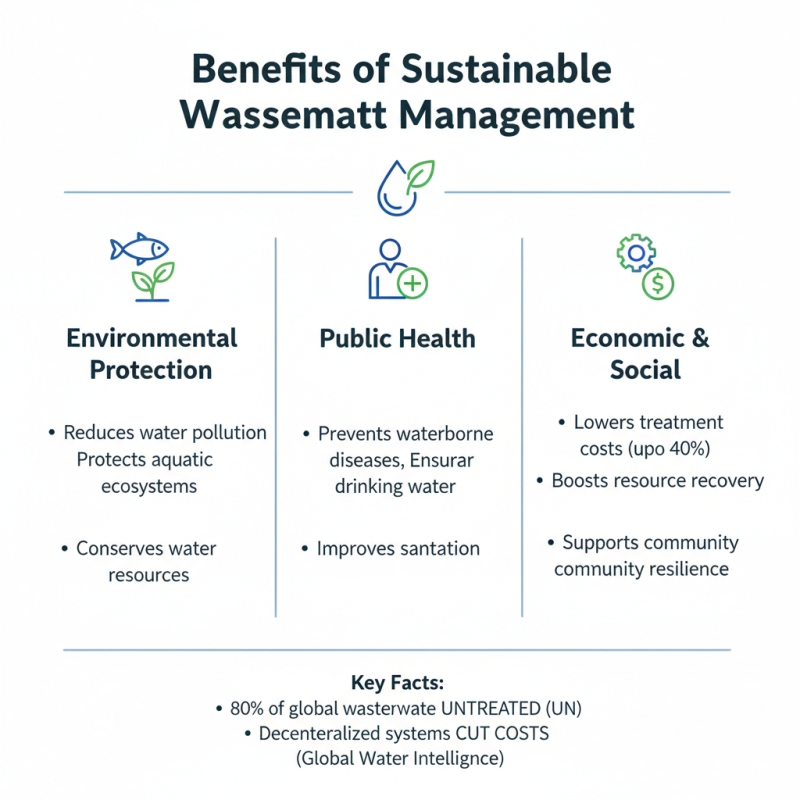
Sustainable wastewater management is essential for environmental protection and public health. According to the United Nations, approximately 80% of wastewater globally is discharged without treatment. This practice leads to severe contamination of water bodies, harming ecosystems and human populations. Sustainable solutions can significantly reduce these impacts. The Global Water Intelligence report states that decentralized wastewater treatment systems can lower treatment costs by 40% while improving efficiency.
Implementing smart technologies in treatment plants enhances performance. For example, real-time monitoring systems help optimize water usage and energy consumption. By integrating renewable energy sources, plants can achieve energy neutrality. A World Bank study found that sustainable practices can create jobs and boost local economies, amplifying their benefits.
Tips: Engage local communities in decision-making processes. Their insights can lead to tailored solutions that are both effective and culturally appropriate. Evaluate treatment options regularly to ensure they meet the evolving environmental standards. Continuous improvement is crucial; it fosters innovation but also highlights gaps for further exploration. The journey toward sustainable wastewater management is ongoing, requiring vigilance and adaptability.
Challenges Faced by Wastewater Treatment Solutions in China
China faces significant challenges in its wastewater treatment sector amidst rapid urbanization. The increasing population and industrial growth put immense pressure on existing systems. Many plants struggle to keep up with the rising volume of wastewater. Outdated technology often hampers efficiency and effectiveness. Regional disparities further complicate the implementation of advanced solutions.
Moreover, the regulatory framework can be inconsistent. Local governments may prioritize economic growth over environmental concerns. This creates a conflict in resource allocation. Public awareness around water pollution is growing but remains insufficient. Many citizens are unaware of water-related health risks. Training for operators is often lacking, leading to inefficiencies in treatment processes.
Investment in research and development is crucial. A shift towards innovative, scalable technologies could address these issues. Collaboration among stakeholders can enhance accountability and transparency. The pathway to sustainability requires not only advanced technology but also a cultural shift towards valuing clean water. Engagement with local communities is essential for fostering understanding and support for wastewater initiatives.
Case Studies: Successful Implementations of Package Plants in China
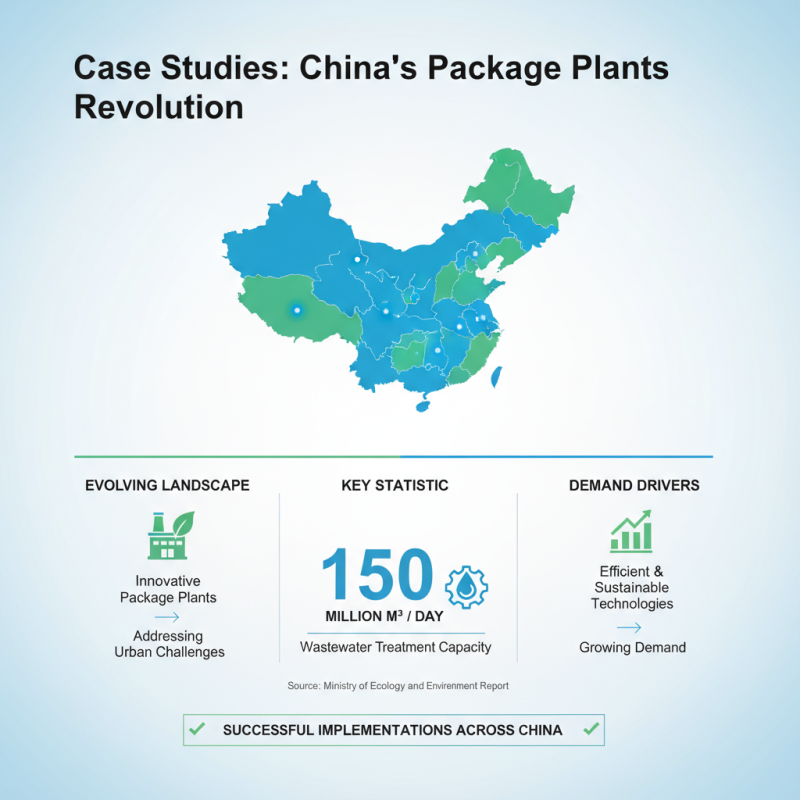
China's wastewater treatment landscape is evolving with innovative package plants. These solutions are pivotal in addressing the country's growing urban challenges. A report from the Ministry of Ecology and Environment indicates that wastewater treatment capacity has reached 150 million cubic meters per day. This statistic illustrates the significant demand for efficient and sustainable treatment technologies.
Case studies in cities like Shenzhen and Hangzhou highlight successful implementations of package plants. In Shenzhen, a modular wastewater treatment facility was constructed within six months. It utilizes advanced membrane bioreactor technology, achieving a treatment efficiency of over 95%. The compact design reduced land use and facilitated fast deployment, showcasing an effective approach to urban wastewater management.
However, these plants are not without challenges. Some facilities struggle with the quality of influent water, which can lead to inconsistent treatment outcomes. Additionally, maintenance and operational costs can escalate if not properly managed. Continuous improvement is crucial. Stakeholders must remain vigilant about the long-term sustainability of package plants. Effective monitoring systems will ensure these solutions remain reliable and efficient as urbanization intensifies.