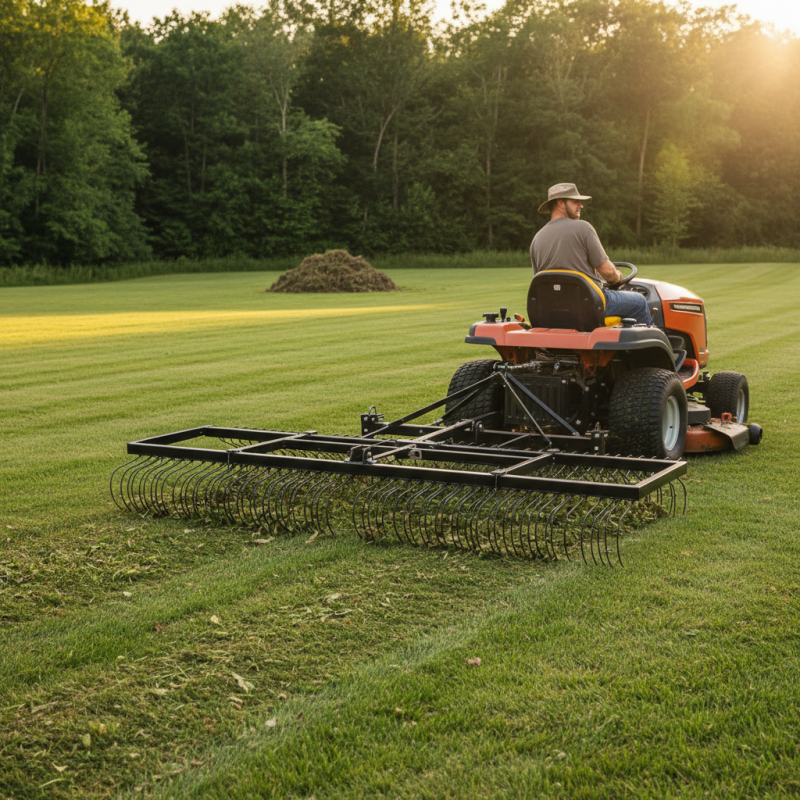
How to Choose the Best Riding Mower Rake for Your Lawn?
Choosing the right Riding Mower Rake can make a significant difference in maintaining your lawn. It’s not just about aesthetics; it's about healthy grass and effective leaf management. With various options available, the decision can feel overwhelming.
Consider the features important for your lawn size and type. A quality Riding Mower Rake should complement your mower and suit your landscaping needs. Look for durability and ease of use, ensuring that it can handle rough terrain or heavy debris. Some rakes have adjustable settings for better adaptability.
Keep in mind that not every rake will meet your expectations. Some might not perform well on specific lawn types. Reflecting on your previous experiences can guide you in making a better choice this time. Ultimately, choosing the right Riding Mower Rake involves understanding both your lawn's needs and the rake's capabilities.
Understanding Lawn Size and Terrain for Rake Selection
Choosing the right rake for your lawn requires careful consideration of both lawn size and terrain. For instance, a small, flat yard may benefit from a lightweight, manual rake. Conversely, larger landscapes or uneven surfaces necessitate a robust riding mower rake designed for efficiency and comfort.
Understanding your lawn's terrain is crucial. According to a survey by the National Association of Landscape Professionals, 42% of homeowners report uneven terrain as a challenge in lawn maintenance. This unevenness can affect how well a rake performs. A rake that cannot adapt may lead to poor results and increased effort on your part.
Tips: Always assess your lawn's layout. Note slopes, rocky areas, or dense foliage. Additionally, consider the rake's width. A wider rake covers more ground but may struggle in tight corners. For uneven terrain, look for rakes that are flexible yet durable, ensuring they won’t get stuck.
Ultimately, the choice hinges on identifying your lawn's unique characteristics. Not every rake will work on every surface. Special attention should be given to the materials and build quality to ensure longevity and reliability. You want a tool that complements your efforts, not hinders them.
Evaluating Different Types of Rake Designs and Their Features
When evaluating different types of riding mower rakes, it’s essential to understand their designs and features. A traditional tow-behind rake often offers wider coverage. This means fewer passes to clear your lawn. However, the effectiveness of these rakes can vary by terrain. Adjusting the height can be tricky on uneven ground.
A broom-style rake captures debris and clippings efficiently. Its rotating bristles make it easy to gather leaves and grass. Yet, they may require more maintenance. Over time, bristles can wear out and lose effectiveness. Regular inspection and replacement can ensure it remains reliable.
Some rakes feature convertible designs. This means they can switch between raking and collecting. This versatility is beneficial for different lawn care needs. However, complexity can lead to confusion. Users may struggle with assembly or operation if instructions are unclear. Balancing ease of use and functionality is crucial in your choice.
Assessing Material Durability and Weight for Optimal Performance
When choosing a riding mower rake, assessing material durability and weight is crucial. The rake must withstand the rigors of outdoor use. Heavy-duty materials, like steel or high-grade plastics, offer lasting performance. However, they can also make the rake heavier, which may affect maneuverability. Consider your strength and comfort when selecting a rake.
Weight plays a significant role in the rake’s usability. A lightweight rake is easier to handle, especially for prolonged use. Yet, it might compromise durability. Striking the right balance can be challenging. Choosing a rake that feels comfortable can lead to better results. Testing a few options can help.
Durability is not always immediately visible. Some rakes may show wear quicker than expected. Look for reinforced areas where wear tends to occur. Read user reviews to see if long-term performance meets your needs. Each lawn is different, making it essential to reflect on what features matter most to you.
Comparing Cost-Effectiveness with Maintenance and Longevity
Choosing the best riding mower rake involves understanding cost-effectiveness, maintenance requirements, and longevity. According to a report by the American Society of Agronomy, the average lifespan of a riding mower is approximately 8 to 10 years. However, selecting the right rake can significantly influence its durability. Often, a slightly higher initial investment leads to better long-term value.
Maintenance is a critical factor. A well-maintained rake will perform effectively for years. Regular inspections and cleaning can extend your rake's usability. However, many users overlook this, leading to expensive repairs or premature replacements. You may find that a rake with a more straightforward design requires less effort to maintain.
Tips: Always review the warranty conditions. A longer warranty typically indicates better manufacturer confidence. Additionally, evaluate the materials used; metal rakes tend to be more durable than plastic alternatives. Lastly, consider user reviews and ratings when making your decision. They can provide insights into potential issues not covered in professional reports. Make informed choices to get the best value out of your investment.
Investigating User Reviews and Industry Ratings for Top Models
When choosing the right riding mower rake, user reviews and industry ratings are essential. These sources provide real-world insights into how these tools perform. Users often share their experiences, highlighting both positives and negatives. Understanding these ratings can help narrow down the options that best suit your lawn care needs.
Many reviewers appreciate models that are easy to maneuver and efficient in grass collection. However, some also note that not all rakes work well in uneven terrain. This can leave a user frustrated and questioning their choice. Evaluating feedback about durability is vital too. A few rakes may have high ratings but do not hold up over time.
Investigating multiple platforms is wise. Look for consistent feedback across reviews to pinpoint strengths and weaknesses. Also, pay attention to trends in user experiences. If many mention a specific issue, it’s worth noting. Reflecting on this information will lead to a more informed and satisfying purchase.