How to Choose the Best Tpu Hydrogel Film for Your Needs?
Choosing the right Tpu Hydrogel Film can be challenging. The market offers various options, each with distinct features and benefits. Whether you need it for a smartphone screen or a medical application, understanding your requirements is crucial.
This film is known for its flexibility and durability. It's essential to assess the thickness, adhesive quality, and clarity of the film. These factors significantly impact your user experience. You may find yourself overwhelmed by the choices available. Reflecting on your specific needs can often lead to better decisions.
Researching different brands and their reputations also plays a vital role. Look for reviews that discuss longevity and performance. Real user experiences can provide insights beyond product descriptions. As you navigate this process, it’s important to balance your needs with the features offered. Remember, the best choice is not just about the product but how well it fits your unique situation.
Understanding TPU Hydrogel Film and Its Applications
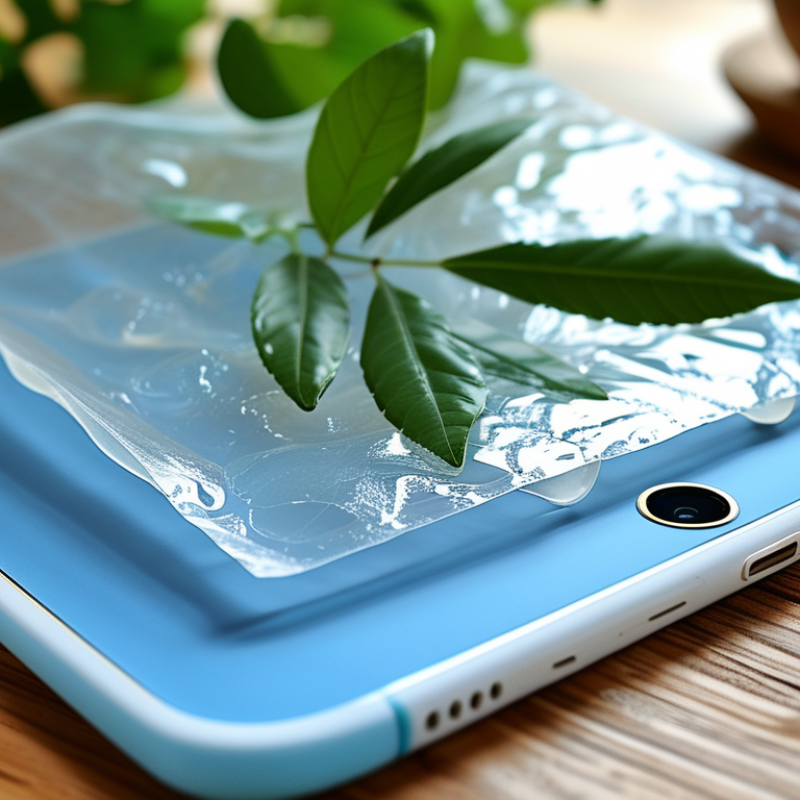
TPU hydrogel film is a versatile material used in various applications, from electronics to medical devices. It is known for its excellent flexibility, transparency, and resistance to moisture. This film provides a protective layer that enhances the durability of products. Understanding its features can help you select the right type for your specific needs.
When choosing a TPU hydrogel film, consider the specific application. If you need it for a phone screen protector, ensure it has high transparency and scratch resistance. For medical uses, opt for a film with biocompatibility. These factors significantly affect the performance and safety of the products you’re working with.
Tips: Always sample the material before purchasing in bulk. Testing can reveal how the film performs under real conditions. Pay attention to the adhesion properties; poor adhesion can lead to peeling and reduced effectiveness. Lastly, read user reviews to gather insights on durability and ease of application. These steps can prevent costly mistakes and ensure that the product meets your standards.
Key Characteristics to Look for in TPU Hydrogel Films
When selecting the right TPU hydrogel film, consider its key characteristics. Start with thickness. Thinner films offer more flexibility but may provide less protection. Thicker films can be more durable but may compromise touch sensitivity. Assess the balance between protection and usability.
Next, evaluate adhesion properties. A strong adhesive will keep the film securely in place. Poor adhesion can lead to peeling, creating frustration. Look for films that maintain adhesion without leaving residue. Additionally, water and dust resistance are crucial. Films that repel dirt and moisture can extend the lifespan of your device.
Finally, consider clarity and transparency. A high-quality film should not distort the display's colors. Any loss of clarity will diminish the user experience. Testing different films can help identify which ones suit your needs best. Remember, not all films will meet all requirements. Some trial and error may be necessary.
Evaluating Thickness and Durability for Your Specific Needs
When selecting a TPU hydrogel film, thickness and durability are critical factors. Different applications may require varying levels of thickness. Thicker films often provide greater protection against scratches and impacts. However, they may also add bulk and affect usability. Ideally, think about your device's specific needs, such as existing wear patterns.
Durability can significantly influence the longevity of the film. Some films may seem robust at first, but wear out quickly. Testing them in everyday conditions offers valuable insight. Make a point to assess how well they withstand pressure or environmental factors. This evaluation can reveal if a film is genuinely reliable.
It’s essential to consider the balance between thickness and durability. A very thin film might protect from light scratches but not provide ample shock absorption. Conversely, a very thick film could be too rigid and hamper functionality. Reflect on your specific requirements and limitations before making a choice. This careful consideration helps ensure optimal protection without compromising performance.
Evaluating TPU Hydrogel Film: Thickness and Durability
This chart provides an overview of different TPU hydrogel films, comparing their thickness and durability. Thickness is measured in millimeters (mm), and durability is measured in newtons (N). When selecting a film, consider both dimensions to match your specific needs.
Comparing Cost and Performance Across Different Brands
When selecting the right TPU hydrogel film, performance and cost are crucial factors. Recent industry reports reveal that the thickness and elasticity of hydrogel films can significantly affect their durability. Thicker films often provide enhanced protection but may also increase costs. For instance, films ranging from 0.3mm to 0.5mm can be more resilient against scratches but come with a price increase of up to 30%.
In terms of performance, adhesion is a key metric to consider. Films with superior adhesive properties tend to offer better user experiences. A study showed that films from various manufacturers exhibited adhesion rates varying from 70% to 95% after 30 days. This discrepancy can lead to user frustration if a lower-performing film fails to stick properly.
Moreover, cost efficiency should not be overlooked when assessing the best product for your needs. The average price for TPU hydrogel films typically ranges from $5 to $20 per unit. Identifying brands that consistently deliver high-performing films at reasonable prices is essential. Consumer reviews often highlight the trade-offs between cost and quality. Many users report that some budget options might fall short on durability, requiring frequent replacements.
Installation and Maintenance Tips for TPU Hydrogel Films
Installing a TPU hydrogel film can be a straightforward process, but attention to detail is crucial. Begin by cleaning your device's screen thoroughly. Use a microfiber cloth to remove dust and fingerprints. This step is vital as dirt can cause bubbles and hinder adhesion. After cleaning, carefully align the film with your device's edges before applying it. It might take several attempts to get it just right. Be patient; it's common to struggle during this phase.
Once the film is applied, ensure there are no air bubbles trapped underneath. Use a plastic card to push them out gently. If a bubble persists, lifting that area of the film slightly can help release the trapped air. However, be cautious; excessive lifting may compromise the film’s adhesive.
Maintenance is equally essential for longevity. Regularly clean the surface with a gentle, non-abrasive cleaner. Avoid harsh chemicals, as they can degrade the film over time. If the film gets worn or scratched, replacing it sooner rather than later is wise. This proactive approach keeps your device looking its best, enhancing both functionality and aesthetics. Remember, even the best products require care and occasional adjustments.