How to Choose the Best Waste Water Systems for Your Home or Business
The management of waste water systems is a critical aspect of sustainable living for both residential and commercial spaces. According to the United States Environmental Protection Agency (EPA), approximately 80% of the world’s wastewater is released back into the environment without adequate treatment, which poses significant health risks and environmental concerns. As urban populations and industrial activities continue to grow, the demand for effective waste water systems has become more urgent than ever. This is particularly relevant as the World Bank reports that inadequate waste management could cost economies up to $4.3 trillion annually by 2030.
When selecting a waste water system, it is essential to consider various factors including system efficiency, installation requirements, and compliance with local regulations. With numerous options available, understanding the technological advancements and regulatory frameworks surrounding waste water systems is vital for both home and business owners. Effective systems not only ensure the safe disposal of wastewater but also contribute to water conservation efforts, highlighting the need for informed decision-making in the selection process. Ultimately, choosing the right waste water system is not just about meeting legal requirements; it’s also about fostering a sustainable future for our communities.

Understanding Waste Water Systems and Their Importance
Understanding waste water systems is crucial for both residential and commercial settings, as they play a significant role in maintaining public health and environmental sustainability. According to the U.S. Environmental Protection Agency (EPA), approximately wastewater treatment processes help remove contaminants that can pose risks to human health and ecosystems. The treatment typically involves physical, chemical, and biological processes that ensure waste water is safe to be released into the environment.
Moreover, the importance of effective waste water systems cannot be overstated, particularly in urban areas where population density magnifies the impacts of waste water discharge. The World Health Organization (WHO) estimates that improper waste water management can contribute to the spread of waterborne diseases, affecting millions of individuals worldwide. On average, communities that implement comprehensive waste water systems see up to a 50% reduction in disease prevalence, illustrating the direct link between efficient waste water management and public health improvement. Therefore, when considering waste water systems, it is imperative to prioritize technology and practices that not only comply with regulatory standards but also promote sustainability and resilience in waste water management.
How to Choose the Best Waste Water Systems for Your Home or Business
| Criteria |
Description |
Importance Level |
| System Type |
Different systems like aerobic treatment, anaerobic treatment, or septic systems. |
High |
| Capacity |
The volume of wastewater the system can handle. |
High |
| Maintenance Requirements |
Frequency and type of maintenance needed for optimal operation. |
Medium |
| Cost |
Initial installation and ongoing operational costs. |
High |
| Environmental Impact |
How the system affects local ecosystems and water quality. |
High |
| Regulatory Compliance |
Meeting local government regulations and standards. |
High |
| Energy Efficiency |
How much energy the system consumes in operation. |
Medium |
Types of Waste Water Systems for Residential and Commercial Use
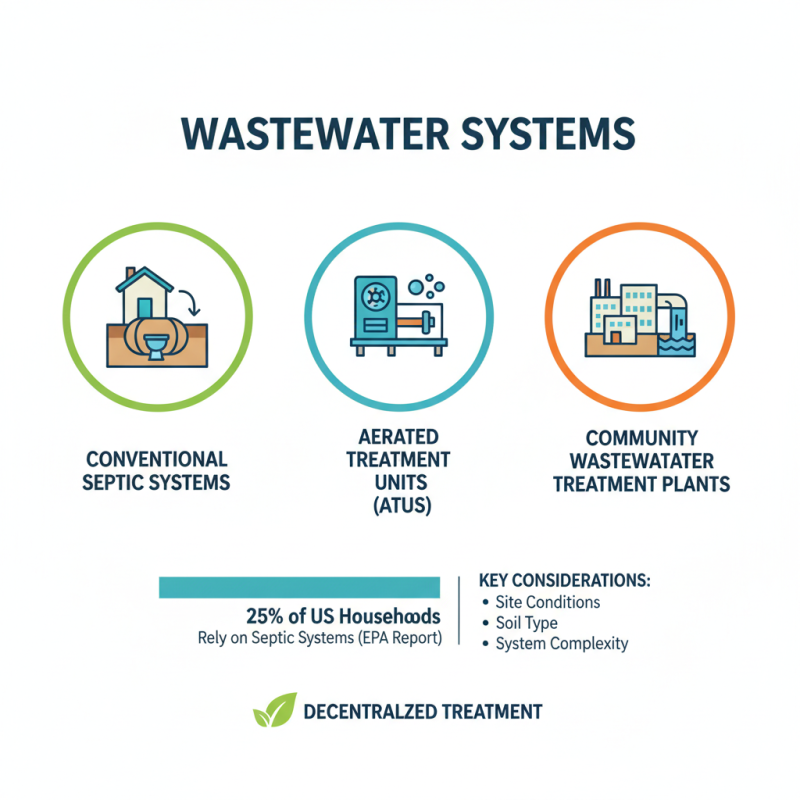
When selecting the best waste water systems for residential or commercial use, it is essential to understand the different types available on the market. Common systems include conventional septic systems, aerated treatment units (ATUs), and community waste water treatment plants. A report by the Environmental Protection Agency (EPA) indicates that approximately 25% of U.S. households rely on septic systems, which effectively treat wastewater in decentralized areas. These systems can vary in complexity and are designed to meet specific site and soil conditions.
Aerated treatment units are another option, providing advanced treatment by introducing air into the waste water, enhancing the decomposition of organic materials. This type of system can achieve a higher level of effluent quality, suitable for sites with limited space or higher environmental protection standards. According to a study from the National Small Flows Clearinghouse, ATUs can reduce biochemical oxygen demand (BOD) levels by as much as 90%, making them an excellent choice for properties where water reuse is considered.
In commercial settings, centralized waste water treatment plants are often required, especially in areas with high population density or industrial activities. These systems are designed to handle large volumes of waste and meet specific regulatory standards for effluent discharge. A study by the Water Environment Federation indicates that effective centralized treatment significantly reduces the environmental impact of wastewater, ensuring compliance with local and federal regulations. Understanding these options and their specific benefits will assist homeowners and business owners in making informed choices for their waste water system needs.
Key Factors to Consider When Choosing Waste Water Systems
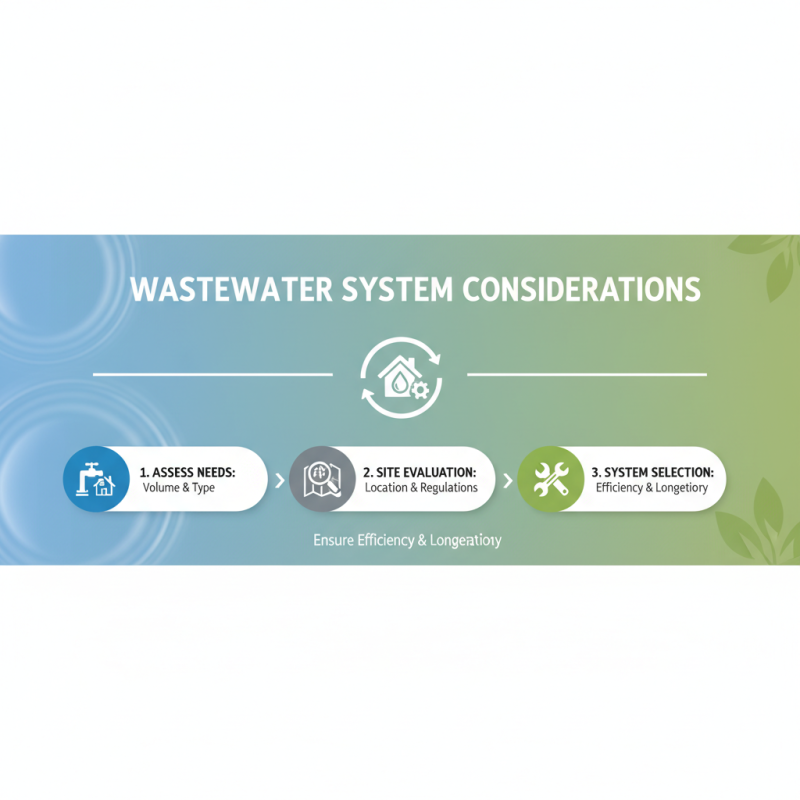
When choosing the best wastewater systems for your home or business, there are several key factors to consider. First, it's essential to assess the volume of wastewater generated and the specific needs of your property. For residential systems, the size of the household and water usage patterns will dictate the required capacity. In contrast, businesses may have varying demands based on operational activities, necessitating a more robust system. Understanding these requirements will help ensure that you select a system capable of handling the expected flow without compromising efficiency.
Another crucial factor is the type of wastewater generated. Different systems are designed to treat diverse forms of wastewater, such as domestic sewage, greywater, or industrial effluents. Identifying the nature of your wastewater is vital in selecting a suitable treatment technology—such as aerobic or anaerobic treatment systems—ensuring effective processing and compliance with local regulations. Additionally, consider maintenance and operational costs, as well as the longevity of the system, to ensure a sustainable investment for the future.
Key Factors to Consider When Choosing Waste Water Systems
Assessing Your Water Treatment Needs and Capacity Requirements
When assessing your water treatment needs and capacity requirements for wastewater systems, it's essential to consider the specific characteristics of your home or business. Factors such as the volume of wastewater generated, the types of contaminants present, and local regulatory standards should all play a critical role in your decision-making process. According to the U.S. Environmental Protection Agency (EPA), an average household generates about 300 gallons of wastewater per day, highlighting the necessity for systems that are both efficient and compliant with environmental regulations.
Tips: Conducting a thorough evaluation of your wastewater output is the first step in selecting the right system. Utilize water usage audits and consult with local environmental agencies to understand the specific pollutants your wastewater may contain. This will aid in choosing a treatment system that meets both your discharge needs and regulatory requirements.
Moreover, the capacity of the chosen wastewater system should align with your current and future needs. The industry report from the Water Environment Federation suggests that the ability to scale a system can save costs in the long term. Systems that allow for easy expansion and upgrades are ideal, especially for businesses anticipating growth. Assess the potential for new technologies in wastewater treatment, such as membrane bioreactors or advanced oxidation processes, which can efficiently handle varying capacities and types of wastewater.
Tips: Always remember to plan for future capacity. Choosing a system that accommodates expansion can minimize disruptions and additional costs down the line. Consult with experts in wastewater engineering to ensure that your selected system not only meets your immediate needs but is adaptable for future growth.
Installation and Maintenance Considerations for Waste Water Systems
When considering the installation and maintenance of wastewater systems, several key factors must be taken into account to ensure efficiency and longevity. First and foremost, it's crucial to assess the specific needs of your home or business. Understanding the volume of wastewater generated and the type of wastewater being handled will guide the selection of the right system. This begins with proper site evaluation to determine the most suitable location for installation, taking into consideration local regulations and plumbing requirements.
**Tips:** Always consult with a professional to ensure that your installation meets all local codes. A well-planned installation can prevent future complications and costly repairs. Additionally, ensure that the system is equipped with features that simplify maintenance, such as easy access points for cleaning and inspecting components.
Maintenance is an ongoing process that plays a critical role in the efficiency of wastewater systems. Regular inspections and timely servicing help to identify potential issues before they escalate. It’s also important to have a clear understanding of the system’s operational limits to avoid overloading, which can lead to breakdowns or sewage leaks.
**Tips:** Keep a maintenance schedule and document all service work performed. Investing in preventive measures not only extends the life of the system but also enhances its performance. Be proactive in addressing minor issues such as clogs or odors, as they can be signs of bigger problems on the horizon.