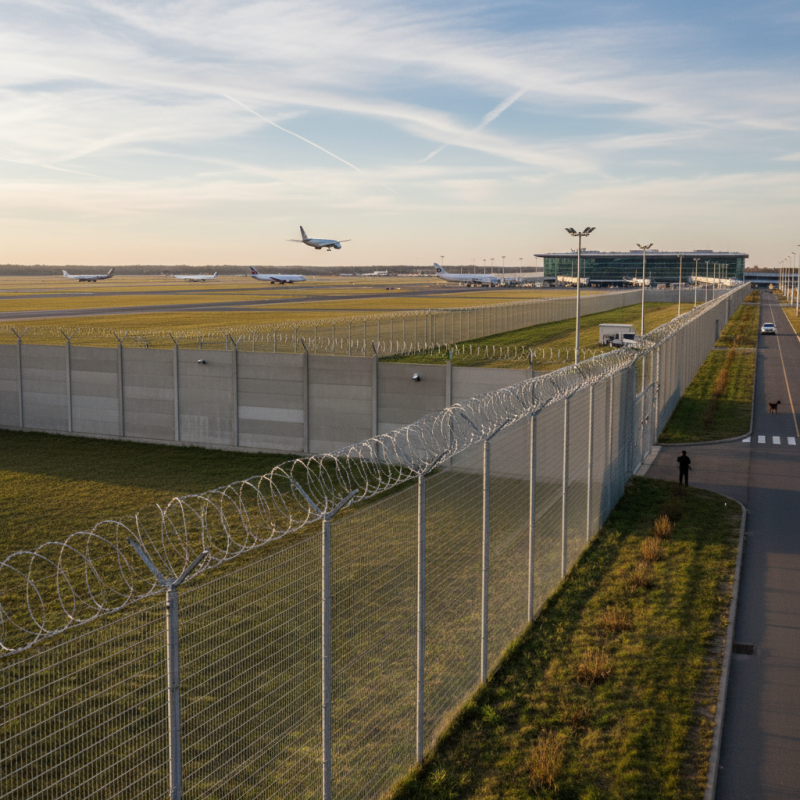
How to Choose the Best Airport Fence for Security?
Factors to Consider When Selecting Airport Fencing for Security
Choosing the right airport fence is crucial for security. Several factors play a significant role in this decision. First, consider the height of the fence. Taller fences can deter unauthorized access. However, they can also create blind spots. This balance is key. A height of around 8 to 10 feet is common, but each airport has unique needs.
Material is another important factor. Chain link, welded wire, and electric barriers offer different levels of security. Chain link is cost-effective but not always the most secure. Welded wire provides better durability. Electric barriers can enhance safety but may require more maintenance. Each choice has its pros and cons.
Visibility is vital as well. Transparent fencing materials can deter intruders while allowing surveillance. Yet, some may argue they lack strength. Incorporating anti-climb features can add security, yet they could also increase costs. Reflecting on these aspects can lead to a more informed choice.
How to Choose the Best Airport Fence for Security? - Factors to Consider When Selecting Airport Fencing for Security
| Factor | Details | Material Options | Cost Range |
| Height | Consider height for preventing unauthorized access. | Chain-link, Welded wire, Solid panels | $10 - $40 per foot |
| Durability | Choose materials resistant to weather and wear. | Aluminum, Steel, Vinyl-coated | $15 - $50 per foot |
| Security Features | Integrated security systems, spikes, or barbed wires. | Barbed wire, Electric fence | $30 - $100 per foot |
| Aesthetics | Consider visual appeal for terminal areas. | Vinyl-coated, Decorative metal | $25 - $70 per foot |
| Compliance | Ensure fencing meets local airport regulations. | Chain-link, Solid panels | Varies based on local codes |
Types of Fencing Materials Suitable for Airport Security Needs
Choosing the right fencing materials for airport security is crucial. Airports require solutions that can withstand various threats while ensuring easy visibility. Chain link fences are popular due to their affordability and strength. However, they can sometimes lack the deterrence needed for high-security areas. This makes them suitable for perimeter boundaries but perhaps inadequate for securing sensitive zones.
Another option is welded wire fencing, which provides a more robust appearance. These fences can deter unwanted entry with their solid structure. With higher gauge wires, they are not just durable but also versatile. However, they may need regular maintenance to prevent rusting.
Additionally, electric fences offer an advanced layer of protection but come with complexity. Integrating them into existing structures requires careful planning. Striking a balance between effectiveness and cost can be challenging. It's essential to evaluate the specific needs of each airport zone. Some areas might benefit from a combination of materials to maximize security. Understanding these nuances is key to developing a solid airport security plan.
Height and Design Specifications for Effective Airport Fencing
When choosing an airport fence, height and design are crucial. An effective fence must be tall enough to deter unauthorized access. Generally, a height of at least 8 feet is recommended. This can vary based on local regulations and the specific needs of the airport. A taller fence provide better security. However, it might also create blind spots or obstruct visibility.
Design features matter too. A solid barrier might offer good security but can be uninviting. Instead, consider using chain-link with slats. This balances security and visibility. Use barbed wire on top for added deterrence. Yet, this can also pose risks. It's important to ensure no safety hazards arise from these materials.
Tips: Focus on maintenance. Regular checks help avoid deterioration, which can compromise security. Evaluate the conditions surrounding the fence regularly. A well-designed fence needs reinforcement in vulnerable areas. Don’t overlook the aesthetics. An unappealing fence can bring negative impressions to travelers. Consider how the design fits within the airport's overall look. Balancing function and appearance is tricky but necessary.
Airport Fence Height and Security Effectiveness
Technological Enhancements for Airport Security Fencing Solutions
In the ever-evolving landscape of airport security, technological advancements play a crucial role in enhancing fencing solutions. Modern airport fencing systems now incorporate intelligent features. For instance, smart sensors detect unauthorized access attempts, reducing the risk of breaches. According to a report by the International Airport Review, 70% of airports have begun implementing advanced surveillance with integrated fence technology.
Another notable innovation is the use of electric fences equipped with remote monitoring capabilities. These systems provide real-time data, enabling immediate responses to incidents. Interestingly, studies indicate that electric fencing can deter up to 90% of unauthorized intrusions. However, utilizing such technologies raises questions about user privacy and the potential for false alarms.
Moreover, combining traditional fencing materials with modern technology offers unique benefits. Double-layered fencing, for instance, enhances physical barriers while embedding surveillance features. Still, it’s essential to balance functionality with cost. Airports must consider both the financial and operational implications of these advanced systems. Effective security is not just about the latest technology; it is also about maintaining efficiency and managing resources effectively.
Regulatory Compliance and Standards for Airport Security Fences
When selecting an airport fence, regulatory compliance is critical. Airports must adhere to the Transportation Security Administration (TSA) standards. These standards dictate fence height, material, and design specifications. For instance, a minimum height of 8 feet is often required. This height helps deter unauthorized access and enhances security.
Many industry reports highlight gaps in compliance. According to a recent study, 30% of airport facilities fail to meet basic security standards. These deficiencies can lead to vulnerabilities. Proper fencing, alongside surveillance and monitoring, creates a robust security perimeter. Wire mesh fences may be lightweight but often lack the necessary durability. A stronger, welded steel option may be more effective in withstanding tampering or impact.
Understanding local regulations is also essential. For example, specific regions may impose additional restrictions or standards. Failure to comply can result in fines and security breaches. Regular audits and updates to fencing can address these concerns. Many facilities overlook the importance of routine inspections. Investing in comprehensive security measures is vital for mitigating risks at airports.