How to Choose the Best Wastewater Package Plant for Your Needs?
Choosing the right wastewater package plant is crucial for effective wastewater management. Many factors influence this decision, including size, treatment capacity, and technology. A wastewater package plant can enhance efficiency and reduce environmental impacts.
Understanding your specific needs is the first step. Are you managing industrial or municipal wastewater? Each type requires different solutions. It’s essential to evaluate your requirements carefully to avoid costly mistakes.
Consulting with experts in the field can provide valuable insights. Reliable recommendations help ensure that you select a plant suited for your operation. Even small details, like maintenance requirements, can affect long-term performance. Thus, taking time to research and reflect is critical when investing in a wastewater package plant.
Understanding Wastewater Package Plants and Their Applications
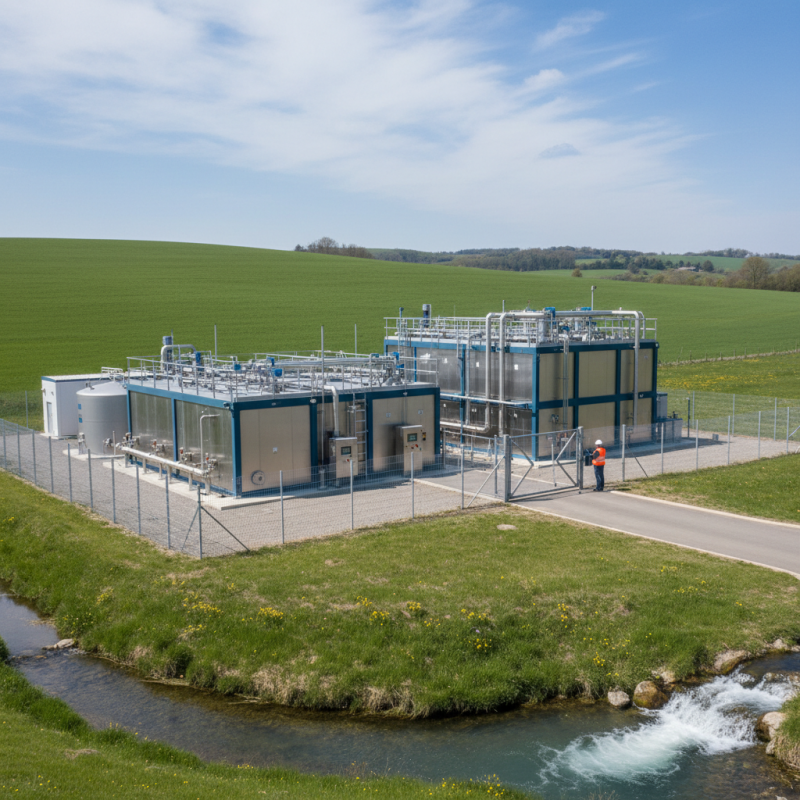
Wastewater package plants are engineered systems designed to treat wastewater efficiently. They are essential in various applications, including municipal, industrial, and commercial settings. Many plants focus on simplicity and compact design, making them ideal for remote locations. According to the American Society of Civil Engineers, around 70% of wastewater treatment facilities in the U.S. face capacity issues.
These plants come with standardized processes for water treatment. They usually incorporate key technologies like activated sludge or membrane bioreactors. Treated water meets required environmental standards, which is crucial for regulatory compliance. Reports indicate that deploying package plants can reduce construction time by up to 40%, but they can also present challenges.
However, selecting the right plant requires thorough consideration of specific needs. Factors such as influent water composition, daily flow rates, and local regulations must be evaluated. Not all systems perform equally in varying conditions. Many operators find that operational flexibility is critical for addressing fluctuating loads. Careful analysis and pilot testing can help in mitigating potential shortcomings in performance and maintenance. A well-chosen package plant will balance initial costs with long-term operational efficiency.
Wastewater Package Plant Capacity Comparison
This chart compares the treatment capacities of various types of wastewater package plants based on their design flow rates (in cubic meters per day). Understanding these capacities can help in selecting the appropriate system for specific wastewater treatment needs.
Key Factors to Consider When Choosing a Wastewater Package Plant
When selecting a wastewater package plant, several key factors should be considered.
Assess your facility's capacity needs. Determine the volume of wastewater generated daily. This information
helps pinpoint the correct size of the plant. Overestimating capacity can lead to excessive costs.
Underestimating can strain the system's performance.
Next, evaluate the technology employed in the package plant. Different technologies offer varying
levels of treatment efficiency. Research biological treatment systems, membrane treatment options,
or chemical processes. Each has unique benefits and drawbacks. Think about maintenance needs
as well. Some systems require more frequent monitoring and interventions than others.
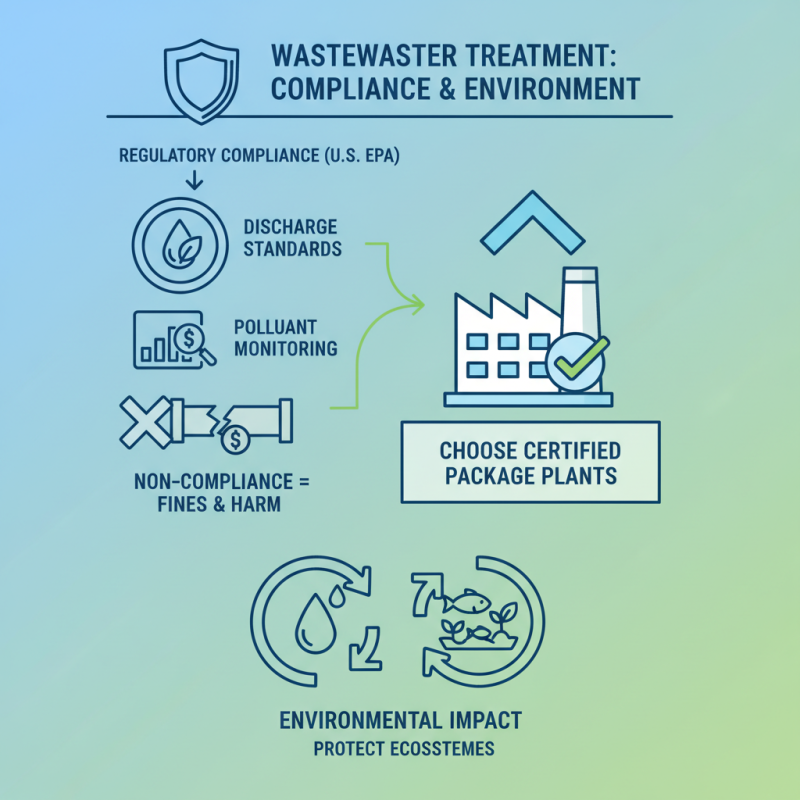
Regulatory compliance is crucial. Confirm that the package plant meets local and national environmental standards.
This will prevent potential legal issues and fines. Consult with professionals in the field for insights on
reliable manufacturers. Their experience can guide you toward the best options. Always remember,
thorough research lays the groundwork for informed decisions.
Evaluating Technology Options in Wastewater Treatment Solutions
When evaluating technology options for wastewater treatment solutions, several factors come into play. Understanding the specific requirements of your project is crucial. Consider the volume of wastewater that needs treatment and the desired output quality. This information guides the selection of suitable technologies. Some systems excel in small-scale operations, while others are designed for larger capacities.
Different technologies, such as membrane bioreactors or activated sludge processes, offer various benefits and drawbacks. Membrane bioreactors can achieve high treatment standards but may face challenges like fouling. Activated sludge processes are widely used and can be modified easily. Assessing these characteristics helps in making informed decisions.
It's important to think about maintenance and operational requirements, too. Some systems may need more frequent monitoring and adjustments. Others might offer automation for ease of use. Getting input from experts or reviews can provide valuable insights into these factors.
Balancing efficiency, cost, and environmental impact is essential for sustainable wastewater management. Ultimately, thorough evaluation leads to better outcomes for your wastewater treatment project.
Assessing Cost and Efficiency of Different Package Plant Models
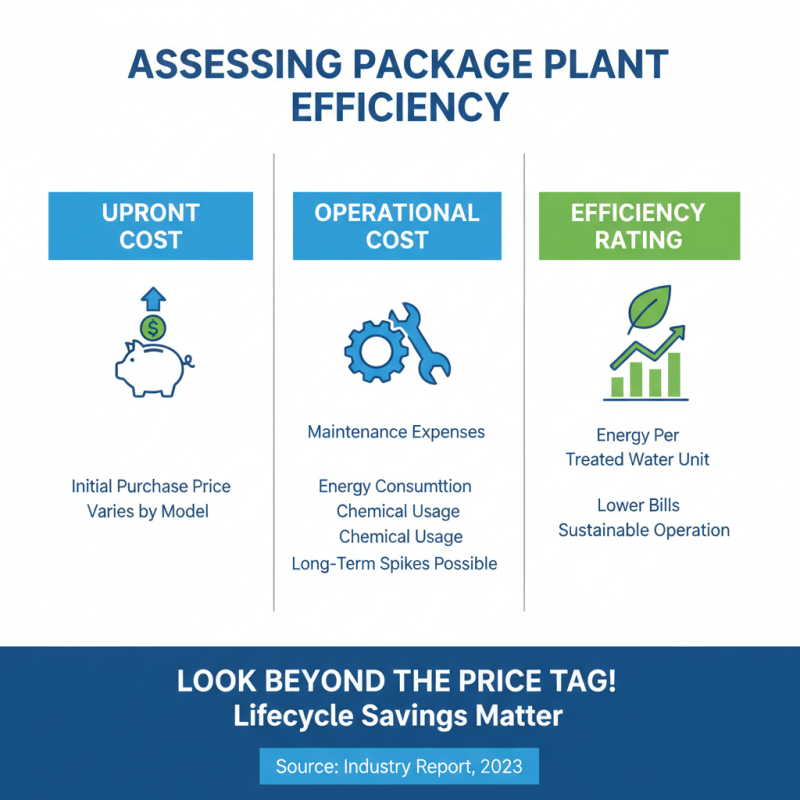
When assessing the cost and efficiency of package wastewater treatment plants, one must look beyond just the initial price tag. According to a recent industry report, operational costs can vary significantly depending on the model chosen. Some plants might offer lower upfront costs but have higher maintenance expenses over time. Efficiency ratings, which reflect the energy consumption per unit of treated water, also play a crucial role. Efficient systems can lead to substantial savings in energy bills.
Factors like throughput capacity and the technology used are essential when evaluating different models. For instance, modular systems can be advantageous for smaller facilities, allowing for scalability as the demand increases. Yet, these systems may not always be the most efficient for large volumes. Statistical data suggests that conventional treatment processes are often more reliable in terms of performance consistency. However, emerging technologies, like membrane bioreactors, have gained traction for their compact design and effective contaminant removal.
A deeper look into the efficiency metrics reveals that the best systems tend to optimize membrane filtration while minimizing waste generation. Though these advanced technologies can be costly, their long-term savings and environmental benefits often offset the initial investment. It's essential to balance cost with potential efficiency gains; an expensive upfront system could yield lower lifetime costs when properly managed.