How to Choose the Best Wire Cut Brick Machine for Your Needs?
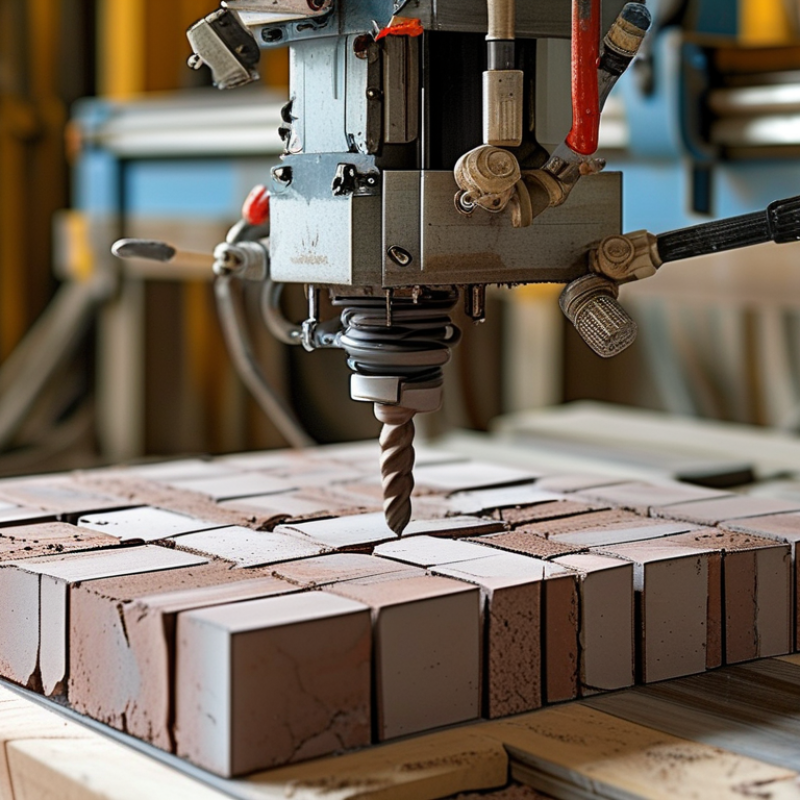
Choosing the right Wire Cut Brick Machine can significantly impact your production process. With various options available, it’s essential to consider your specific needs. The right machine will enhance efficiency and quality in brick manufacturing.
Understanding the key features is crucial. Machines vary in cutting speed, precision, and build quality. Researching the technology behind these machines is vital. Reliability should be a priority. A low-quality machine can lead to frequent breakdowns and costly repairs.
Additionally, evaluating supplier reputation is important. Trustworthy suppliers can offer valuable support and service. Those with a proven track record provide peace of mind. Ensure you read reviews and testimonials. Such details may uncover strengths and weaknesses that aren’t apparent at first glance.
Factors to Consider When Selecting a Wire Cut Brick Machine
Choosing the right wire cut brick machine involves understanding various essential factors. First, consider the machine's capacity. Larger projects require machines with higher output. Assess the volume of bricks you need to produce daily. A machine with a suitable capacity can streamline your production process and meet demands effectively.
Next, think about the precision of the machine. The quality of the bricks can impact your project's overall success. Machines with better cutting technology yield smoother and more uniform bricks. Evaluate the cutting accuracy and alignment options available. Remember that minor inaccuracies can lead to significant issues down the line.
Maintenance is crucial as well. Regular upkeep ensures the machine operates efficiently and lasts longer. Check if the machine has easily accessible parts for repairs and replacements. Machines that require complicated maintenance can lead to downtime, which is costly. Balancing these factors will aid in selecting a machine that aligns with your needs and your budget.
How to Choose the Best Wire Cut Brick Machine for Your Needs?
| Feature | Description | Importance |
| Cutting Accuracy | The precision of the cuts made by the machine. | High |
| Production Capacity | The number of bricks produced in an hour. | High |
| Power Consumption | The amount of energy the machine requires. | Medium |
| Material Compatibility | Types of materials that can be processed. | High |
| Ease of Use | User-friendliness of the machine. | Medium |
| Maintenance Requirements | How often the machine needs servicing. | High |
| Price | Initial cost of purchasing the machine. | High |
| Warranty | Length and terms of the warranty offered. | Medium |
Types of Wire Cut Brick Machines Available in the Market
When it comes to wire cut brick machines, various types cater to different needs. Choosing the right one is crucial. Machines vary in size, capacity, and technology. Smaller models are suitable for home projects. Larger machines work well for commercial operations.
Electric wire cut brick machines are prevalent. They offer efficiency and ease of use. Gas-powered machines, however, provide mobility and flexibility. Some are designed for specific materials, like clay or concrete. Understanding the details helps in making the right choice.
When selecting, consider production volume and intended use. Reflect on the machine's operation format. Is it user-friendly? Durability is another factor. Machines have different lifespans and maintenance requirements. Select a machine that aligns with your long-term goals and operational needs.
Key Features to Look for in a Wire Cut Brick Machine
When choosing a wired cut brick machine, start by assessing the key features that matter. One important aspect is the machine's power and efficiency. A robust motor ensures quick cutting, which increases productivity. Look for machines that can handle various brick sizes and types. This flexibility is crucial for meeting different project demands.
Another factor to evaluate is the precision of the cutting mechanism. A machine that offers accurate cuts reduces waste and enhances the quality of the bricks produced. Additionally, consider the ease of operation. A user-friendly interface can minimize training time and operational errors.
Lastly, think about the machine's durability and maintenance needs. Machines made from high-quality materials tend to last longer, but they may require routine checks. Reflect on the balance between initial cost and long-term value. Investing in a reliable machine can truly pay off in the long run, but it's crucial to weigh your options carefully.
Assessing Your Production Needs and Volume Requirements
When assessing your production needs for a wire cut brick machine, understanding your volume requirements is crucial. According to industry reports, most production facilities handle between 15,000 to 30,000 bricks per day. A machine that cannot match this output will hinder your business. Evaluate how many bricks you need and when. Is your demand constant or seasonal?
Additionally, consider the type of bricks you want to produce. Some machines cater to specific sizes or shapes, impacting your overall productivity. Research shows that a versatile machine can adapt to different projects, potentially increasing overall efficiency. However, versatility may come at the cost of speed, requiring careful consideration of priorities.
Investigate your facility’s layout. Space constraints can limit your choices. For larger machines, increased space may mean better output. But be cautious—installing an oversized machine could complicate workflow. Balancing space, volume, and production goals requires critical reflection. Failure to do so might lead to operational inefficiencies down the line.
Budgeting for Your Wire Cut Brick Machine Purchase and Operation Costs
When budgeting for a wire cut brick machine, you must consider various factors that impact costs. The initial purchase price is crucial, but it’s just the beginning. You’ll need to account for installation, training, and maintenance costs. These elements can significantly affect your overall budget. Often, buyers overlook these additional expenses, leading to financial strain later on.
Operational expenses also play a vital role. Energy consumption is a primary concern, as some machines require a significant power supply. You should calculate the electricity costs based on your local rates. Then, factor in the cost of raw materials. Prices can fluctuate, so it’s wise to monitor market trends.
Lastly, think about unexpected costs. Repairs can be unpredictable, and your machine may require parts that aren't readily available. It's essential to set aside a contingency fund. This will allow your operations to remain smooth during unforeseen circumstances. Balancing quality with budget is challenging and requires careful thought.
Budgeting for Your Wire Cut Brick Machine Purchase and Operation Costs