2025 How to Choose the Best Screw Pumps for Your Industrial Applications
When it comes to selecting the right equipment for industrial applications, screw pumps stand out due to their unique operational characteristics and versatility. These positive displacement pumps excel in transporting a wide range of fluids, from thin liquids to highly viscous materials, making them invaluable in various sectors, including oil and gas, chemical processing, and wastewater management. However, with numerous options available on the market, choosing the best screw pump can be a daunting task for many professionals.
To navigate this complex decision-making process, it is essential to consider several key factors that influence both performance and efficiency. Understanding the specific requirements of your application, such as fluid type, temperature, and operating conditions, is critical. Additionally, evaluating the features of different screw pumps, such as their design, materials, and maintenance needs, can significantly impact your operational efficiency and long-term costs.
In this guide, we will provide valuable insights into how to choose the best screw pumps tailored to your industrial applications. By breaking down the selection process into manageable steps and highlighting critical attributes to consider, we aim to empower you with the knowledge needed to make informed decisions that enhance your productivity and reliability in fluid handling.

Understanding the Basics of Screw Pumps and Their Applications
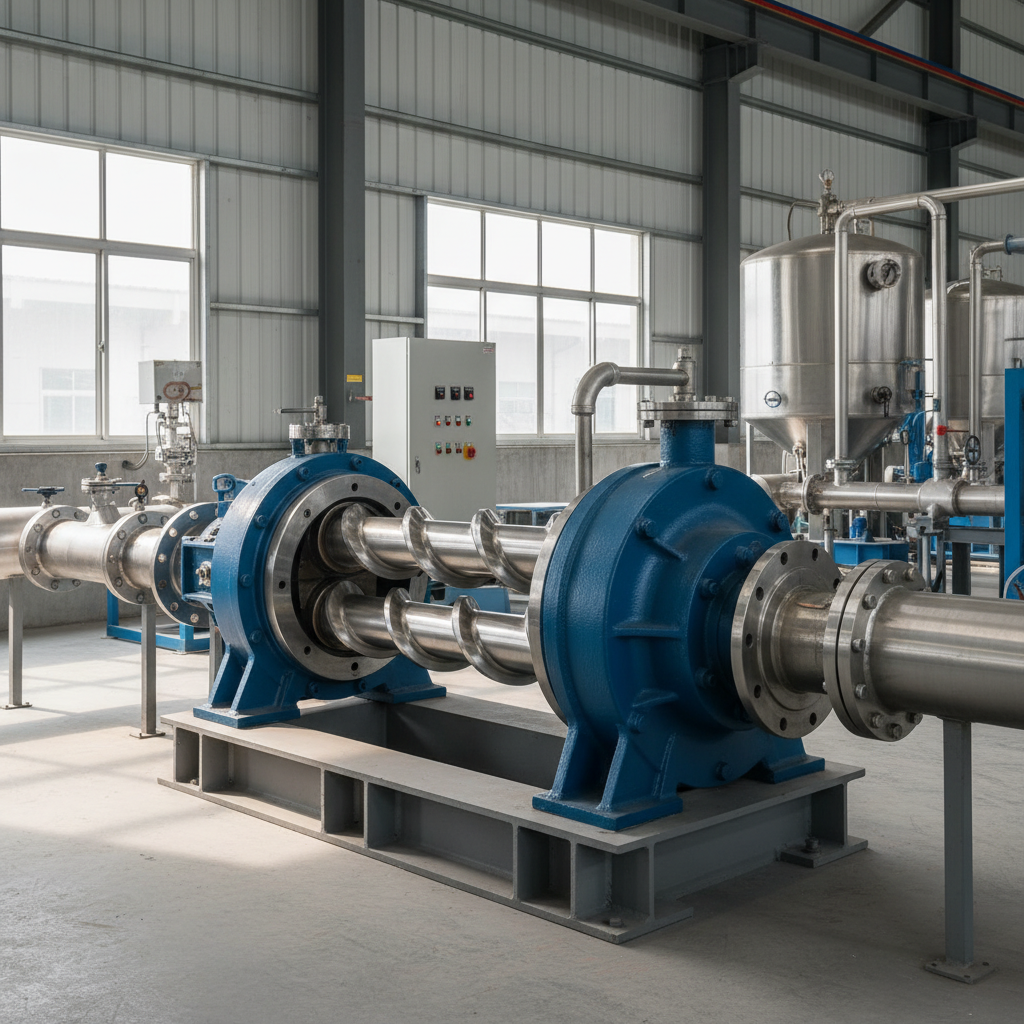
Screw pumps are essential devices in various industrial applications, known for their efficiency in transporting fluids with varying viscosities. Unlike traditional pumps, screw pumps can handle a wide range of flow rates and pressures, making them versatile for industries such as oil and gas, pharmaceuticals, and food processing. According to a recent market research report, the global screw pump market is expected to grow at a CAGR of 4.2% from 2023 to 2028, driven by the increasing demand for these pumps across various sectors.
When selecting a screw pump for your industry, consider the specific requirements of your application. Understanding the fluid characteristics—such as viscosity and shear sensitivity—is crucial, as these factors will influence pump selection. Tip: Always review the manufacturer's specifications and performance curves to ensure the chosen pump meets your operational needs effectively.
Another critical aspect is the maintenance and reliability of the pump. Screw pumps generally require less maintenance compared to other pumping technologies, but regular checks are necessary to ensure optimal performance. Tip: Implement a routine maintenance schedule to prolong the life of your screw pump and avoid unexpected downtimes. By adhering to these guidelines, you can ensure you choose the best screw pump for your industrial applications.
Key Factors to Consider When Selecting Screw Pumps for Industry
When selecting screw pumps for industrial applications, several key factors must be taken into account to ensure optimal performance and efficiency. Firstly, the type of fluid being pumped is critical; screw pumps excel in handling highly viscous fluids, with some models capable of managing viscosity levels above 1,000 cP, making them ideal for industries such as food and pharmaceuticals (Source: Pumps and Systems, 2022 Industry Report). Additionally, the flow rate requirement should be analyzed, as screw pumps can effectively manage a wide range of flow rates, often between 5 to 500 m³/h, depending on the design and application.
Another factor to consider is the pump's operational environment, including temperature and pressure conditions. High-quality screw pumps can operate efficiently in temperatures ranging from -20°C to 200°C and withstand high pressures, making them suitable for demanding applications like oil and gas extraction (Source: Hydraulic and Pneumatic Systems, 2023 Trends Report). Furthermore, maintenance requirements and material compatibility should influence the decision-making process, as choosing pumps with corrosion-resistant materials can enhance lifespan and reduce downtime, especially in chemically aggressive environments.
Top 10 Recommendations for High-Performance Screw Pumps
When selecting the best screw pumps for industrial applications, it's crucial to focus on several high-performance models that excel in reliability and efficiency. Among the top recommendations, the progressive cavity screw pump stands out due to its ability to handle viscous fluids without pulsation. This pump type is ideal for applications in food processing and wastewater management, providing consistent flow rates and minimizing maintenance needs.
Another notable option is the twin-screw pump, which is particularly effective for low-viscosity fluids. Known for its high efficiency and low shear, it operates silently and ensures precise flow control, making it suitable for chemical processing and oil transfer. Additionally, the external gear screw pumps are recommended for their robust construction and ability to deliver high pressure, making them perfect for heavy-duty tasks in various industrial settings. With these top recommendations, industries can enhance their operations by choosing the right screw pump tailored to their specific needs.
Comparative Analysis: Screw Pumps vs. Other Pump Types
When selecting the right screw pump for industrial applications, it's essential to conduct a comparative analysis with other pump types to understand their advantages and limitations. Screw pumps are known for their ability to handle viscous fluids effectively, maintaining a consistent flow rate regardless of pressure fluctuations. This characteristic makes them particularly suitable for industries such as oil and gas, food processing, and wastewater treatment, where fluid consistency is crucial.
In contrast, centrifugal pumps, while widely used, excel in low-viscosity applications and are less efficient when faced with dense fluids. They can experience performance issues due to cavitation, which occurs when fluid velocity increases excessively, leading to vapor bubble formation. Additionally, diaphragm pumps, although excellent for precise dosing and transfer of corrosive substances, are not as efficient for larger volume transport as screw pumps. Therefore, a thorough understanding of the operational environment and fluid properties is necessary to make an informed decision, ensuring optimal performance and longevity of the chosen pumping solution.
2025 Comparative Analysis of Screw Pumps vs. Other Pump Types
Maintenance and Efficiency Tips for Screw Pump Longevity
When selecting screw pumps for industrial applications, maintenance plays a crucial role in ensuring their longevity and efficiency. Regular inspections are essential to identify wear and tear early. Check the seals, bearings, and motor components periodically, as these parts are critical to the pump's operation. Addressing minor issues promptly can prevent more significant failures and reduce downtime.
Moreover, proper lubrication is vital for maintaining optimal performance. Utilizing the manufacturer-recommended lubricant type and adhering to a consistent lubrication schedule will minimize friction and heat generation. Additionally, ensuring that the pump operates within its design parameters will help maintain operational efficiency. Monitoring the pump's flow rate and pressure can reveal performance trends and highlight any deviations that may require immediate attention, thus maintaining productivity in industrial processes.