How to Choose the Right Bent-axis Motor for Your Needs?
Choosing the right Bent-axis Motor can be challenging. There are many factors to consider. This decision greatly impacts performance and efficiency.
A Bent-axis Motor is often preferred for its reliability and compact design. It is crucial to understand your specific needs. Consider application requirements like torque, speed, and size constraints. These details matter more than you might think.
Many overlook the importance of matching specifications. A mismatched motor might lead to inefficiencies. You may face overheating or reduced lifespan. Reflect on your operational goals. A thoughtful choice now can prevent issues later.
Understanding Bent-axis Motors: An Overview
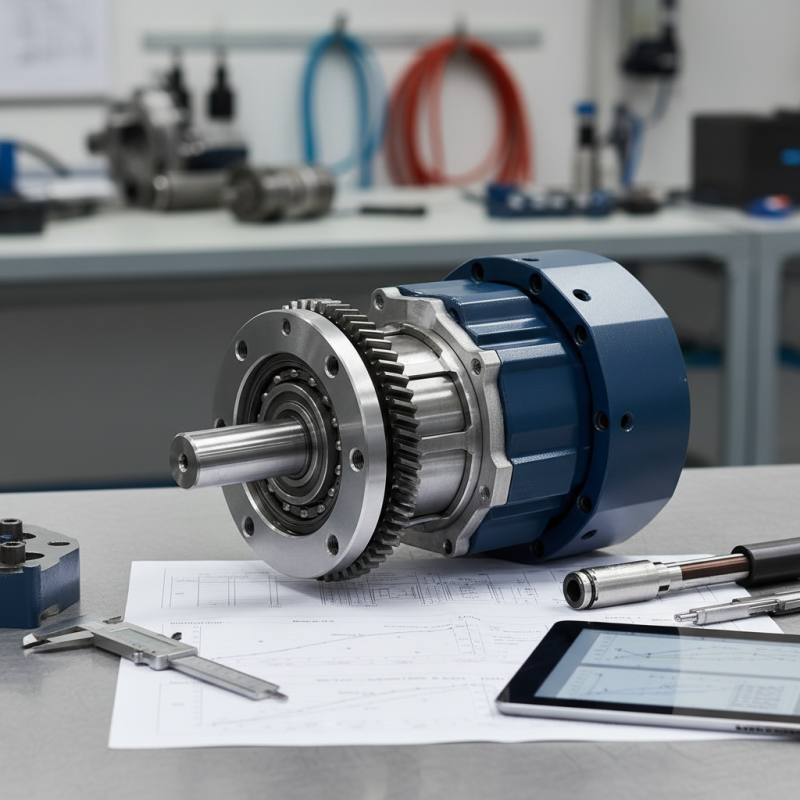
Bent-axis motors are unique devices found in various mechanical systems. They convert hydraulic energy into motion. Understanding their structure is essential for any application. These motors have an eccentric shaft, which allows for an angle adjustment. This feature makes them different from other motor types.
The design influences torque and efficiency. When selecting a bent-axis motor, consider factors like flow rate and pressure. Each motor has specific operational limits. Miscalculating these can lead to performance issues. It's often overlooked how temperature fluctuations affect performance too.
While bent-axis motors come with many advantages, they can also pose challenges. Their complexity means maintenance is crucial. Users sometimes underestimate the importance of proper hydraulic fluid. Incorrect fluid choices can lead to early wear. Balancing efficiency and lifespan requires careful consideration and ongoing evaluation.
How to Choose the Right Bent-axis Motor for Your Needs?
| Motor Type | Displacement (cm³/rev) | Max Pressure (Bar) | Speed Range (RPM) | Efficiency (%) | Weight (kg) |
| Motor A | 24 | 210 | 1500 - 3000 | 92 | 15.5 |
| Motor B | 30 | 250 | 1200 - 2800 | 90 | 18.0 |
| Motor C | 16 | 180 | 1000 - 2500 | 88 | 10.8 |
| Motor D | 45 | 300 | 1800 - 3300 | 91 | 22.5 |
| Motor E | 35 | 240 | 1300 - 2900 | 89 | 20.0 |
Key Factors to Consider When Choosing a Bent-axis Motor
Choosing the right bent-axis motor involves examining several key factors. Efficiency is critical. Motors with different efficiencies can lead to significant energy savings or waste. A high-efficiency motor may be more expensive initially, but it pays off over time through lower operating costs.
Consider the application. The torque and speed requirements vary dramatically across applications. For instance, a construction project may need high torque. However, a manufacturing line might prioritize speed. Understanding these specifics helps narrow your options. Also, think about size and weight. These motors occupy space, and weight matters for some machines.
Don’t overlook the control options available. Some motors may offer advanced features for precise control. Yet, these can increase complexity. Sometimes, simpler is better. Assess the impact of maintenance too. A more reliable motor may save you time and repairs. But be cautious; a less robust choice could lead to downtime. Reflecting on these factors leads to better decisions.
How to Choose the Right Bent-axis Motor for Your Needs?
This bar chart illustrates key specifications of bent-axis motors that are crucial when selecting the right motor for your needs. Important factors include torque, speed, power, efficiency, and weight. Understanding these metrics will help in making an informed decision.
Evaluating Load Requirements and Performance Criteria
When choosing a bent-axis motor, evaluating load requirements is crucial. A thorough assessment ensures your application runs efficiently. Consider the maximum load the motor will handle. How often will it reach this limit? Underestimating load may lead to motor failure. Overestimating can waste energy and increase costs.
Performance criteria also play a significant role. Evaluate the speed, torque, and fluid compatibility. It's essential to match these specifications with your system's needs. A motor that does not meet required speeds could hinder productivity. Moreover, the wrong torque can cause mechanical issues. This may force you to rethink your design or replace components, adding unexpected expenses.
Think practically about these elements. Consult with engineers to gather insights. However, be aware of potential biases in their recommendations. Sometimes, personal experiences skew judgment. Test the motor in real-life scenarios. Performance tests reveal whether you made the right choice. Maintain a flexible mindset during this process. Adapting as new information arises will lead to better outcomes.
Assessing Compatibility with Existing Systems and Applications
Choosing the right bent-axis motor requires careful consideration of compatibility with your existing systems. You need to evaluate operational conditions. Look into the specifications of your current setup. Does the motor fit? Often, details like mounting positions and hydraulic connections matter.
Tip: Gather technical data from your current motors. Cross-reference these with new options. This will reveal potential mismatches.
Applications also play a crucial role. Different motors excel in various environments. Heavy-duty applications might need robust options. Check the motor’s torque and speed ratings. Do they align with your requirements? Sometimes, a motor seems perfect but fails to meet performance needs in practice.
Tip: Consult with engineers who understand system dynamics. Their insights can prevent costly mistakes. They might highlight overlooked issues with integration or power supply.
Reflect on past experiences. What worked well? What didn’t? It’s essential to learn from these insights. Consider scalability, too. Future expansions may demand more than what you currently need. Be ready to adapt your choice based on growth.
Maintenance and Support Options for Bent-axis Motors
When selecting a bent-axis motor, maintenance and support options are crucial. Industry research indicates that proper maintenance can extend the motor's lifespan by up to 40%. Regular inspection is key. Scheduled check-ups can identify issues before they escalate.
Choosing a service provider is vital. Look for those offering comprehensive support, including troubleshooting resources and part availability. A study revealed that 30% of motor failures are linked to inadequate servicing. Understanding the intricacies of maintenance routines can make a significant difference.
Documentation is essential yet often overlooked. Ensure all maintenance logs are detailed and accessible. This not only aids in troubleshooting but also helps in compliance with industry standards. Interestingly, 25% of manufacturers find that inadequate documentation leads to increased downtime. Taking a proactive approach is necessary for optimal performance.