How to Choose the Right Photovoltaic Connectors for Your Needs?
Choosing the right Photovoltaic connectors is crucial for optimizing solar energy systems. As the solar market expands, so does the selection of connectors. According to a report by Global Industry Analysts, the photovoltaic connector market is projected to reach $1.8 billion by 2024. This growth emphasizes the importance of understanding various connector types.
Experts like Dr. Susan Millerick emphasize that "the right connectors can ensure safety and efficiency for solar installations." Selecting the proper photovoltaic connectors affects not only energy transmission but also the longevity of solar systems. Many users underestimate this choice, risking performance and safety concerns.
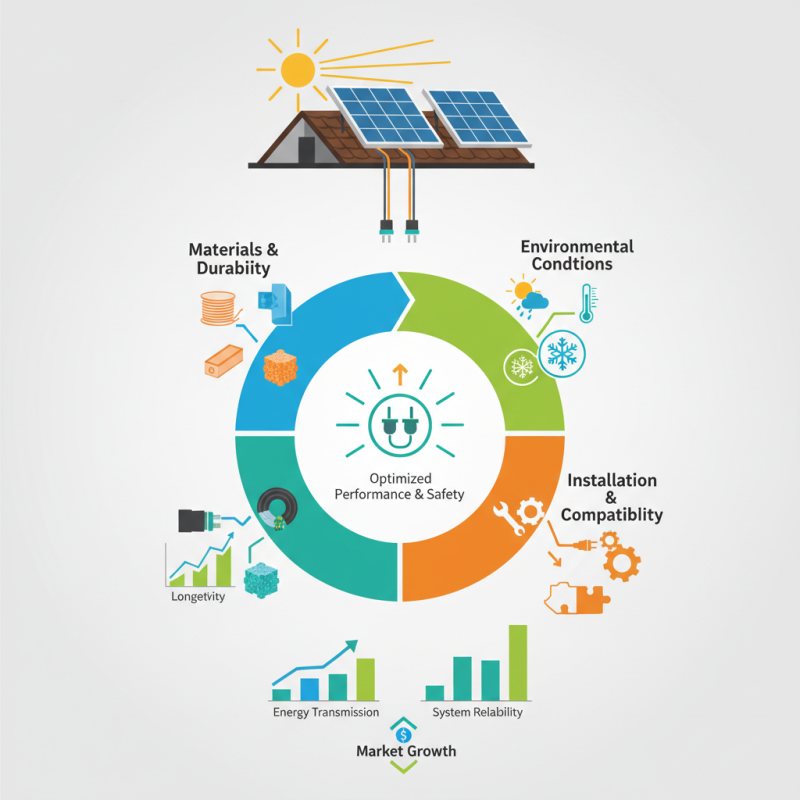
Materials, environmental conditions, and installation practices all influence connector selection. Various connectors offer different ratings and compatibility. Navigating these options requires careful assessment. Failing to prioritize connector quality may lead to system failures or underperformance. Thus, it is essential to weigh the decision thoughtfully, ensuring reliable energy production.
Understanding Photovoltaic Connectors: Types and Functions
Photovoltaic connectors play a critical role in solar energy systems. They connect photovoltaic modules to the inverter and other components. Understanding the types and functions of these connectors is essential for choosing the right ones for your project. There are commonly used connectors such as MC4, T4, and H4. Each offers unique features suitable for different applications.
According to a recent market report, the global photovoltaic connector market is projected to grow at a compound annual growth rate (CAGR) of 12.5% from 2022 to 2030. This growth reflects increased solar energy installations worldwide. However, not all connectors are created equal. For instance, MC4 connectors are widely favored for their reliability. Yet, they can sometimes be difficult to install without the right tools.
Environmental factors also play a vital role. High temperatures and humidity can affect connector performance over time. Choosing weather-resistant connectors may increase initial costs, but it can reduce maintenance expenses. It's critical to assess both the performance and durability of connectors in your specific climate. Relying solely on price can lead to long-term issues.
How to Choose the Right Photovoltaic Connectors for Your Needs?
| Connector Type | Function | Amperage Rating | Wire Size Compatibility | Environmental Resistance |
| MC4 | Standard connector for solar panels | 30A | 2.5 - 6.0 mm² | IP68 rated; UV resistant |
| Solar QD | Quick disconnect for ease of installation | 20A | 4.0 - 10.0 mm² | Weather resistant; suitable for outdoor use |
| Amphenol H4 | High performance connector for PV systems | 20A | 2.5 - 4.0 mm² | IP67 rated; high UV resistance |
| Tyco Solar | Compatible with various solar modules | 40A | 6.0 - 10.0 mm² | IP67; robust against humidity |
| Hirschmann | Used in large-scale solar installations | 50A | 6.0 - 16 mm² | Highly resistant to environmental factors |
Evaluating Compatibility: Which Connectors Fit Your Solar Panels?
When choosing connectors for solar panels, compatibility is essential. Different panels may use unique connector types. A mismatch can lead to inefficiencies and potential damage. Understanding your panels' specifications is crucial. Check their voltage and current ratings. This information guides your selection.
Connector types like MC4 are common. However, not all solar panels support them. Some manufacturers prefer proprietary designs. If you're unsure, refer to the technical documentation. Some connectors are easier to install than others. Look for user-friendly options if you're a beginner.
Reflecting on your setup is vital. Over time, you might attempt DIY installations. Mistakes can occur. Connecting the wrong type can result in loss of power. It’s not merely about choosing a connector. It's about ensuring long-term performance. Pay attention to detail. Compatibility today will save headaches later.
Assessing Environmental Factors: Durability and Weather Resistance
When choosing photovoltaic connectors, environmental factors play a crucial role. Durability is paramount. Connectors must withstand harsh conditions. A report by the International Energy Agency states that solar installations can face extreme temperatures and humidity. These factors can degrade connectors over time. Weather resistance helps ensure long-term performance.
Consider the materials used in connectors. Corrosion-resistant alloys often perform better in adverse conditions. The UL 6703 standard details these performance requirements. Connectors rated for IP68 can protect against dust and water. Choosing connectors compliant with these standards can enhance reliability.
Tip: Always check the temperature rating before purchasing. High temperatures can lead to connector failure. Additionally, ensure that connectors are UV-resistant. Exposure to sunlight can weaken materials over time.
In practical terms, connectors can fail due to unnoticed wear and tear. Regular inspections are necessary. Often, people overlook this maintenance. A connector that appears fine may not perform effectively in challenging weather. Evaluate your environment. Selecting the right connector is essential for optimal solar performance.
Determining Voltage and Current Ratings: Safety Considerations
When selecting photovoltaic connectors, understanding voltage and current ratings is crucial. Industry standards indicate that connectors should match the system’s specifications. For instance, a typical solar panel produces around 30 volts. Using connectors rated below this can lead to overheating and failure.
Current ratings are equally important, with many panels generating upwards of 10 amps. If the connector cannot handle this, risks increase.
Safety cannot be overlooked. According to a report from the International Electrotechnical Commission, improper connections contribute to over 20% of system failures. Ensuring connectors are rated for the maximum voltage and current is essential. You should consider environmental factors too. High temperatures may require connectors with a higher current rating. It’s easy to overlook these considerations in favor of cheaper options.
Reflect on these choices. A seemingly minor mismatch can lead to significant long-term issues. Regular maintenance and inspections can mitigate problems, but prevention is better. Miscalculating ratings could jeopardize system performance. Ensure every detail aligns with safety standards for optimal results.
Choosing Between Standard and Custom Connectors for Your Setup
When selecting photovoltaic connectors, the choice between standard and custom options can significantly impact your solar setup. Standard connectors are widely available, making them convenient for many applications. They typically conform to established specifications. According to the Solar Energy Industries Association (SEIA), around 70% of installations utilize standard connectors. However, they may not meet every specific requirement.
On the other hand, custom connectors may provide tailored solutions. They are designed to address unique project needs, improving efficiency. A report from Bloomberg New Energy Finance indicates that projects using custom connectors often experience a 15-20% efficiency gain. However, the downside is that custom solutions can lead to extra costs and longer lead times. These factors must be carefully weighed in the decision-making process.
It's important to reflect on the environmental conditions your system will face. For instance, extreme temperatures or moisture can affect connector performance. Standard connectors may not hold up as well in harsh environments, necessitating the consideration of a custom design. Balancing cost and performance is critical. The right choice can enhance system longevity and efficiency. Each project is different, and understanding these nuances can guide better decisions.