How to Effectively Treat Water Waste: Best Practices and Techniques
Effective water waste treatment is an increasingly critical issue in our society, as we face mounting challenges related to water scarcity and pollution. According to Dr. Emily Green, a renowned expert in the field of environmental engineering, "Proper water waste treatment not only conserves our precious water resources but also protects ecosystems and public health." As urban populations expand and industrial activities intensify, the need for innovative and sustainable water waste treatment practices has never been more important.
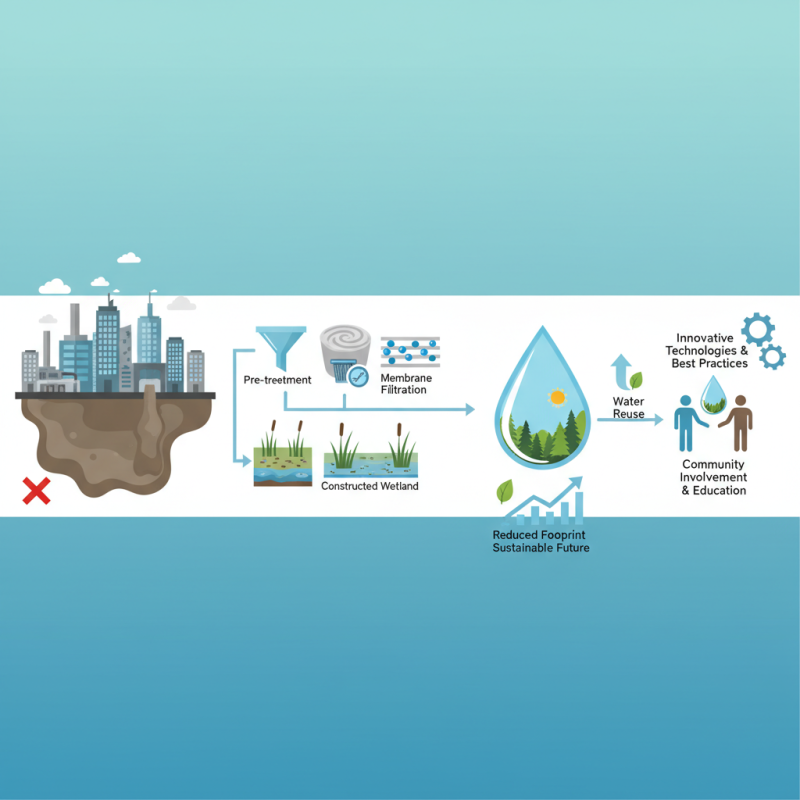
The global demand for clean water continues to rise, putting significant pressure on existing treatment facilities and prompting a shift towards more efficient methods. By implementing best practices and advanced techniques, industries and municipalities can significantly reduce their water waste footprint. From the application of cutting-edge technologies such as membrane filtration to the adoption of natural treatment systems like constructed wetlands, the spectrum of solutions available for effective water waste treatment is vast.
In this article, we will explore various strategies that can be employed to enhance water waste treatment processes and highlight the importance of community involvement and education in these efforts. As Dr. Green emphasizes, a collaborative approach to water management is essential for fostering sustainable practices and ensuring a cleaner, safer future for all.
Overview of Water Waste Issues and Their Impact
Water waste is an urgent issue that negatively impacts both the environment and human communities. As populations grow and climate change exacerbates water scarcity, understanding the implications of water waste becomes increasingly crucial. It affects not only local ecosystems but also agricultural productivity and community health. The overuse of water resources can lead to dry rivers, depleted aquifers, and diminished ecosystems, which in turn can trigger more severe water conflicts and food insecurity.
To combat these challenges, implementing best practices for water conservation is essential. One effective tip for individuals is to fix leaky faucets and pipes promptly; even a small drip can waste gallons of water over time. Moreover, adopting water-efficient appliances can make a significant difference in daily consumption, making it easier to reduce waste without sacrificing comfort. In addition, municipalities can promote community awareness campaigns about the effects of water waste and practical ways to conserve water, fostering a collective effort towards sustainability.
Businesses, too, play a vital role in addressing water waste by conducting regular audits of their water usage and seeking innovative solutions to minimize their footprint. Encouraging employees to be mindful of water usage in daily operations can cultivate a culture of conservation within the workplace. By understanding the profound impacts of water waste and embracing actionable techniques, communities and organizations can make strides toward preserving this invaluable resource.
Identifying Sources of Water Waste in Various Sectors
Identifying the sources of water waste across various sectors is crucial for developing effective treatment strategies. In the agricultural sector, a significant portion of water is wasted due to inefficient irrigation practices. Many farmers still rely on traditional methods, which can lead to excessive runoff and evaporation. Implementing advanced irrigation techniques, such as drip irrigation or scheduling irrigation based on weather forecasts, can significantly reduce water wastage while optimizing crop yield.
In urban areas, water waste often stems from leaky pipes and outdated infrastructure. Aging water delivery systems can result in substantial losses before the water even reaches consumers. Regular maintenance, timely repairs, and the adoption of smart water management technologies can help identify leaks early and minimize wastage. Furthermore, public awareness campaigns can encourage residents to report leaks and adopt water-saving measures in their homes.
The industrial sector also contributes to water waste, particularly in processes that require significant water input but lack efficient recycling systems. By examining and optimizing production processes, industries can reduce water consumption and enhance water reuse. Conducting water audits can help identify specific areas where water is being wasted, paving the way for targeted improvements and sustainable practices.
Best Practices for Reducing Water Waste in Households
Reducing water waste in households is crucial for sustainable living and environmental protection. According to the U.S. Environmental Protection Agency (EPA), the average American family uses more than 300 gallons of water per day, with nearly 30% of that consumption dedicated to outdoor activities. Implementing effective practices like fixing leaks, optimizing irrigation systems, and using water-efficient appliances can significantly curb this waste. Research indicates that addressing household leaks can save enough water to supply a year’s worth of drinking water for over 9,000 households annually.
**Tips:** One of the easiest ways to start reducing water waste is by installing low-flow fixtures in bathrooms and kitchens. These fixtures can reduce water flow by up to 60% without sacrificing performance. Additionally, adjusting sprinkler settings to align with seasonality can conserve up to 50% of outdoor water use.
Regularly monitoring your water bill can also provide insight into usage patterns, allowing households to identify any unexpected changes that could indicate leaks or excessive consumption. By making simple adjustments and being mindful of daily habits, families can contribute to a more sustainable future while also enjoying cost savings on their water bills.
How to Effectively Treat Water Waste: Best Practices and Techniques
| Technique |
Description |
Estimated Savings (%) |
Implementation Cost ($) |
Maintenance Frequency |
| Fix Leaks |
Identify and repair leaks in faucets, toilets, and irrigation systems. |
10-20% |
0-100 |
As needed |
| Install Low-Flow Fixtures |
Replace standard faucets and showerheads with low-flow alternatives. |
20-30% |
100-500 |
Every few years |
| Use a Broom Instead of a Hose |
Sweep driveways and sidewalks instead of hosing them down. |
5-15% |
0 |
Not applicable |
| Collect Rainwater |
Install a rain barrel to collect runoff for irrigation. |
20-50% |
100-200 |
Annual check |
| Optimize Landscape Design |
Use drought-resistant plants and smart irrigation techniques. |
30-50% |
200-1000 |
Seasonally |
Techniques for Water Efficiency in Agriculture and Industry
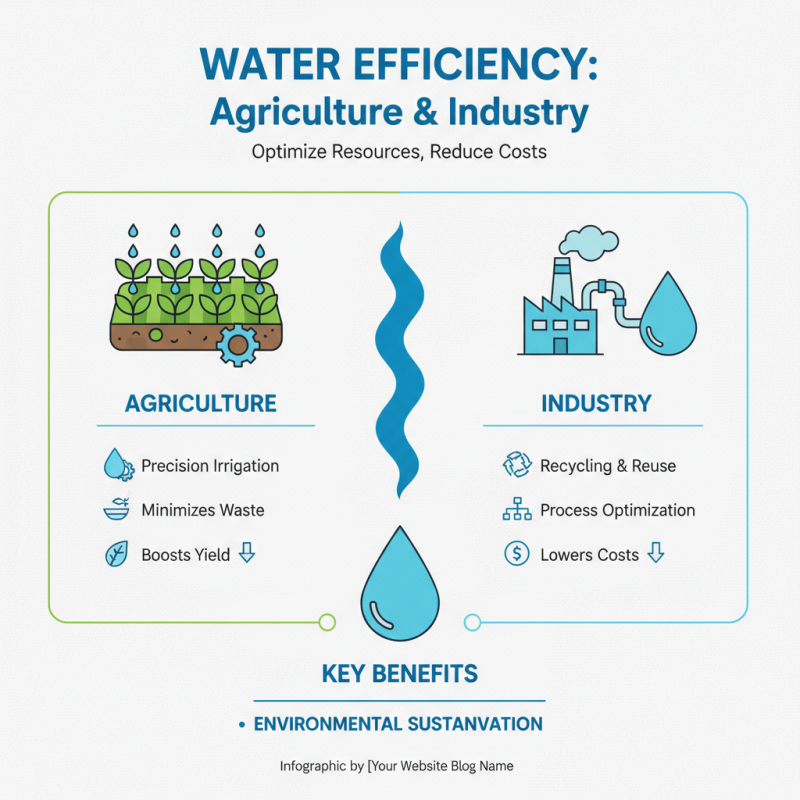
In agriculture and industry, water efficiency is paramount not only for environmental sustainability but also for optimizing resources and reducing costs. Implementing effective water management techniques can significantly minimize waste and enhance productivity. One essential practice is the adoption of precision irrigation systems, which utilize technology to deliver water directly to where it is needed. This method reduces evaporation losses and ensures that crops receive the optimal amount of water, improving yield while conserving this precious resource.
Tips for enhancing water efficiency in agriculture include monitoring soil moisture levels with sensors that provide real-time data, enabling farmers to make informed decisions about irrigation scheduling. Additionally, employing rainwater harvesting systems can provide a sustainable source of water, reducing dependency on conventional water sources. In industrial settings, recirculation systems can be employed to treat and reuse greywater, significantly lowering water consumption and minimizing waste.
Another technique is integrating water-efficient practices into operational processes, such as using dry cooling systems in manufacturing to reduce water usage. Industries can also invest in employee training focused on water conservation practices, establishing a culture of sustainability that promotes efficient water usage throughout the organization. By adopting these best practices, both agriculture and industry can play a vital role in combating water waste and ensuring long-term water availability.
Innovative Technologies for Water Waste Management and Treatment
Innovative technologies for water waste management and treatment are essential in addressing the global water crisis. As per the United Nations, approximately 2.2 billion people lack access to safely managed drinking water, emphasizing the urgent need for effective waste treatment solutions. One such advancement is the use of membrane bioreactors (MBRs), which integrate biological treatment and membrane filtration processes to enhance the removal of contaminants from wastewater. Reports indicate that MBR systems can achieve up to 95% reduction in suspended solids and are increasingly being adopted in both municipal and industrial applications.
Another promising technology is the deployment of smart water management systems, powered by IoT (Internet of Things). These systems enable real-time monitoring and data collection on water usage and quality, allowing municipalities to detect leaks and inefficiencies promptly. According to a report by McKinsey, smart water technologies can reduce water losses by up to 30%, significantly contributing to sustainability goals. Furthermore, advanced oxidation processes (AOPs) are being utilized to break down complex organic pollutants in wastewater, making them more viable for recycling and safe discharge into the environment. These innovative techniques are vital as they not only enhance the treatment efficacy but also promote the circular economy in water management.
Water Waste Treatment Efficiency in Different Techniques
This chart represents the efficiency of various water waste treatment techniques based on their average removal rates for common pollutants such as BOD, TSS, and Nutrients. The data highlights the effectiveness of each method in managing water waste efficiently.