Top Tips for Effective Waste Water Treatment Process
The waste water treatment process is crucial for environmental sustainability and public health. Dr. John Green, a leading expert in water management, once said, "Every drop of treated water is a step toward a cleaner planet." His insights highlight the significance of effective waste water treatment practices.
Many facilities struggle with outdated methods that can lead to less efficient results. Improving these processes requires innovative thinking and adaptation to modern technologies. Implementing well-structured systems can reduce contaminants and enhance treated water quality. However, challenges remain, such as technical expertise and budget constraints that often hinder progress.
Inadequate treatment systems can lead to pollution and health hazards. Frequent assessments and adjustments are essential in maintaining efficacy. Ultimately, refining the waste water treatment process is a collective effort to ensure a sustainable future for our communities.
Understanding the Waste Water Treatment Process and Its Importance
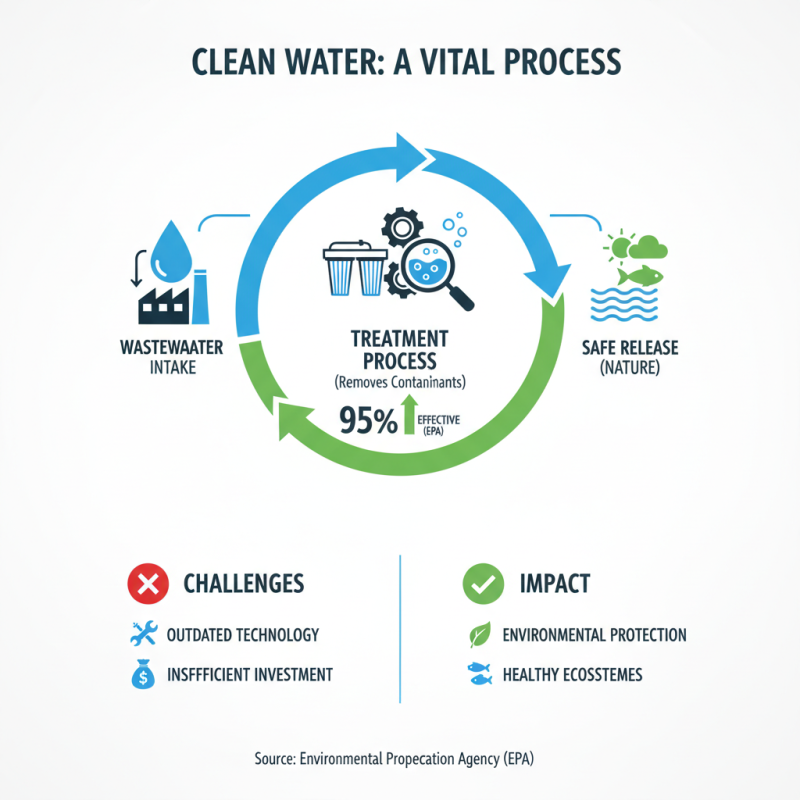
Effective wastewater treatment is crucial for environmental protection. The process removes contaminants from water, making it safe for release back into nature. According to the Environmental Protection Agency (EPA), over 95% of wastewater can be treated effectively. However, many facilities still struggle with outdated technology and insufficient investment. This often leads to inefficiencies and potential harm to ecosystems.
Moreover, the rise in population and industrial activities increases the volume of wastewater. A report from the United Nations estimates that by 2050, global wastewater generation will increase by 300%. This highlights the urgent need for modernized treatment processes. Many plants operate at overcapacity, leading to overflows and untreated discharges. Investments in advanced treatment technologies are essential, yet funding remains a barrier for many municipalities.
Communities must recognize the importance of prioritizing wastewater management. Public awareness and support can drive needed changes. Implementing efficient treatment practices can significantly reduce pollutants. Still, achieving sustainable outcomes requires reflection on current methods. Are they adaptable to future demands? Investing in education and community engagement will foster improved practices and ultimately, better environmental health.
Key Components of Waste Water Treatment Systems
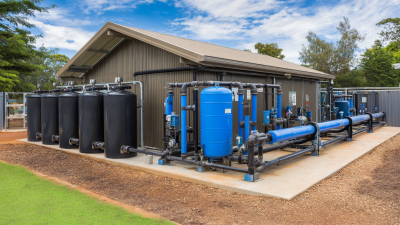
Waste water treatment systems are crucial for environmental health. These systems remove harmful pollutants from water before it's released back into nature. They primarily consist of several key components: screening, sedimentation, filtration, and disinfection. Each part plays a distinct role in purifying the water.
Screening is the initial step. It removes large debris, such as sticks and plastics. According to the World Health Organization, poorly managed waste water can affect over two billion people. Sedimentation follows screening, allowing heavier solids to settle. This step is vital, as 50-70% of suspended solids can be removed in this phase alone.
Filtration enhances the process by passing water through granular materials. This further reduces contaminants. Finally, disinfection uses chemicals or UV light to kill pathogens. While these processes are effective, some systems struggle with energy efficiency. Reports show that waste water treatment can account for 30% of municipal energy consumption. Addressing this issue could greatly improve sustainability.
Top Tips for Effective Waste Water Treatment Process
Step-by-Step Guide to Primary Treatment Methods
Effective wastewater treatment begins with primary treatment methods. This step is crucial for removing solid waste. According to the United Nations, over 80% of global wastewater is discharged untreated. This statistic highlights the need for proper treatment processes.
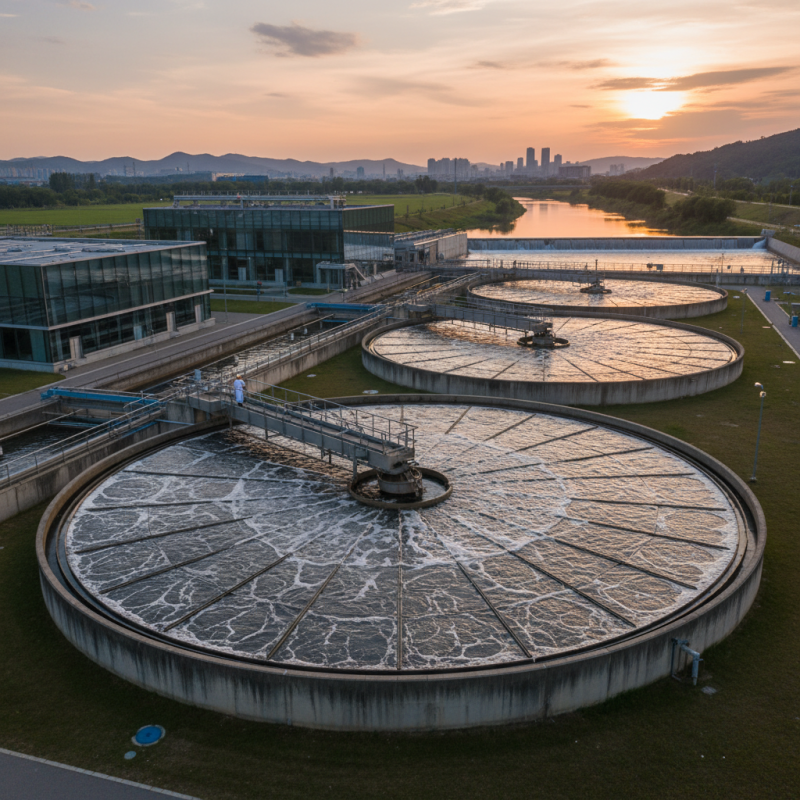
Primary treatment involves physical processes. Screening is a common method that removes large particles. Grit chambers are also used to settle heavier sand and gravel. These methods reduce the load on subsequent treatment stages. However, many facilities still struggle with inefficient screening. Not all solids are eliminated, which can hinder further treatment.
The separation of solids and liquids is a core goal. Primary clarifiers help in this process. They allow sediments to settle at the bottom. A study found that primary treatment can remove about 50-70% of suspended solids. Yet, this level of efficiency varies by facility. Ongoing maintenance and operator training are often overlooked. Improving these areas can significantly enhance treatment effectiveness.
Innovative Technologies in Secondary Waste Water Treatment
Innovative technologies play a crucial role in improving secondary waste water treatment. Modern processes now utilize
membrane bioreactors (MBRs) and advanced oxidation processes (AOPs). A recent industry report indicates that MBRs can significantly reduce biomass while enhancing effluent quality. In fact, studies show MBRs can remove up to
95% of organic matter. Such effectiveness offers great promise for urban waste management.
AOPs are also making strides. This technology uses powerful oxidants to break down pollutants. Research reveals that AOPs can eliminate up to
99% of certain contaminants. This is particularly valuable in treating pharmaceutical waste. However, despite their advantages, challenges remain. For instance, the cost of implementation can be a barrier. Additionally, technology maintenance requires skilled personnel, which might not always be available.
There's still a long way to go. Many facilities struggle with integrating these technologies fully. This can lead to inconsistent treatment outcomes. While innovative methods advance waste water treatment significantly,
reflection on systems and continual improvement is necessary. Confronting these setbacks will pave the way for future developments in waste water management.
Best Practices for Monitoring and Maintenance of Treatment Facilities
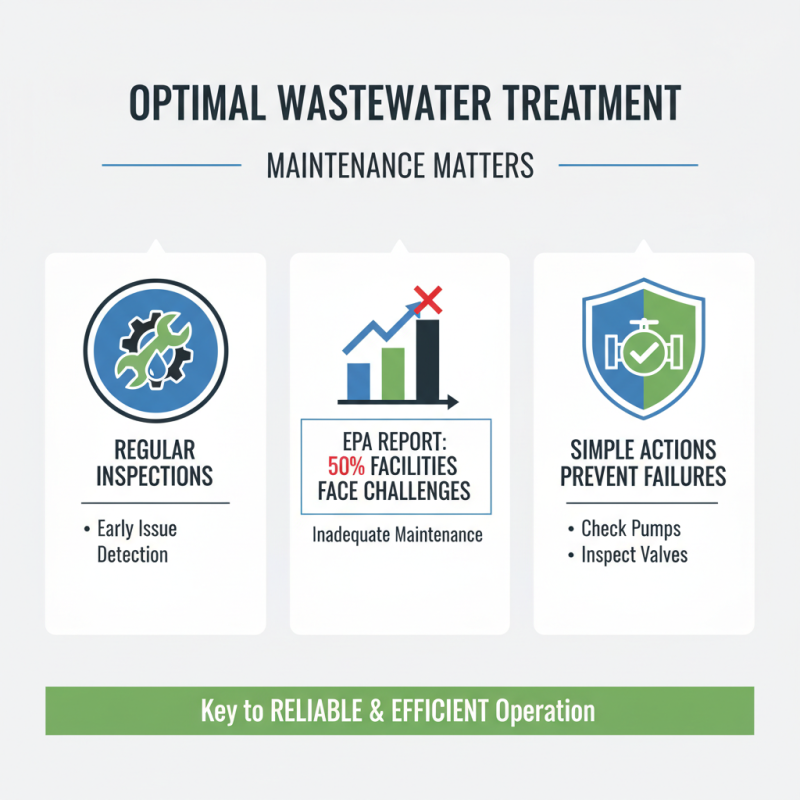
Monitoring and maintaining wastewater treatment facilities is crucial for their optimal performance. Regular inspections help identify issues early. According to a report by the Environmental Protection Agency, nearly 50% of treatment facilities face operational challenges due to inadequate maintenance practices. Simple actions, such as checking pumps and valves, can prevent major failures.
Automation plays a significant role in monitoring systems. Implementing advanced sensors can provide real-time data on water quality. However, these systems can sometimes fail. A study from the Water Environment Federation found that sensor errors occurred in 10% of monitored facilities. Operators must regularly calibrate these devices to avoid false readings.
Training staff is often overlooked but essential. Knowledgeable personnel can better manage unexpected situations. Inadequate training leads to operational inefficiencies, impacting treatment effectiveness. Only 25% of facilities report regular training sessions for their staff. Investing in training can significantly reduce risks and enhance overall operations. Focusing on these practices ensures that wastewater treatment facilities run smoothly and efficiently.