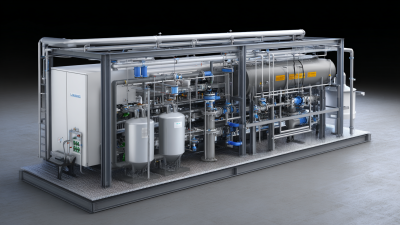
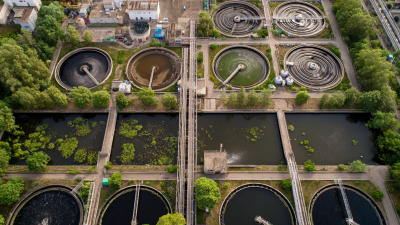
Top 5 Effective Water Waste Treatment Solutions for Sustainable Living
In the quest for sustainable living, effective water waste treatment solutions have become paramount. According to a recent report by the World Health Organization (WHO), nearly 80% of the world's wastewater is released into the environment without adequate treatment, leading to severe environmental and public health issues. As we navigate the challenges posed by increasing urbanization and climate change, the implementation of innovative water waste treatment systems is critical. Industry experts suggest that investing in modern technologies can significantly improve water reuse and recycling efforts, ensuring a more sustainable future.
Dr. Emily Thompson, a leading figure in the water treatment sector, emphasizes the importance of innovative solutions, stating, "Efficient water waste treatment processes are vital not only for preserving our environmental resources but also for safeguarding public health." By exploring the top five effective water waste treatment solutions, we can uncover pathways to more sustainable living. The integration of advanced filtration systems, bioremediation techniques, decentralized treatment facilities, and the utilization of natural wetlands can transform how communities manage water resources. Ultimately, a commitment to investing in sustainable water management practices will be necessary for future generations to thrive in a healthier environment.

Innovative Technologies in Water Treatment: A Look at 2025 Solutions for Sustainable Living
In the pursuit of sustainable living, innovative technologies in water treatment are becoming increasingly significant. As we look ahead to 2025, a range of advanced solutions is set to revolutionize how we manage water resources. According to a report by the International Water Association, the global water and wastewater treatment market is projected to reach $500 billion by 2025, reflecting a growing emphasis on sustainability and efficiency. Technologies such as advanced oxidation processes, membrane filtration, and biological treatments are leading the charge in reducing water waste and enhancing recycling efforts.
One key technology on the horizon is the use of artificial intelligence to optimize water treatment processes. AI-enabled systems can monitor real-time data to predict equipment failures and optimize operational parameters, leading to a 30-50% reduction in energy consumption, according to recent findings from the Water Environment Federation. Implementing AI not only improves efficiency but also ensures that treatment facilities can operate sustainably in the long term.
**Tips:** To contribute to these sustainable efforts, consider investing in rainwater harvesting systems for your home. This simple practice can reduce your dependency on municipal water supply while promoting resource conservation. Additionally, educating yourself about the water treatment technologies available in your area can help you make informed choices that align with sustainable living goals.
Top 5 Effective Water Waste Treatment Solutions for Sustainable Living
This chart demonstrates the effectiveness rating of five innovative water waste treatment solutions for sustainable living. The solutions range from membrane filtration, which scores highly for its efficiency, to biological treatments that present a viable option as well. All these methods contribute significantly to improving water treatment processes and promoting sustainability.
The Role of Membrane Bioreactors in Efficient Water Waste Reduction by 2025
Membrane bioreactors (MBRs) are becoming increasingly essential in the water waste treatment landscape, particularly in light of sustainability goals for 2025. According to a report by the Global Water Intelligence, MBR technology can reduce energy consumption by up to 30% compared to conventional treatment methods, making it a cost-effective solution for municipalities aiming to minimize environmental impact. This innovative approach integrates biological treatment with membrane filtration, allowing for the efficient removal of organic matter and pathogens.
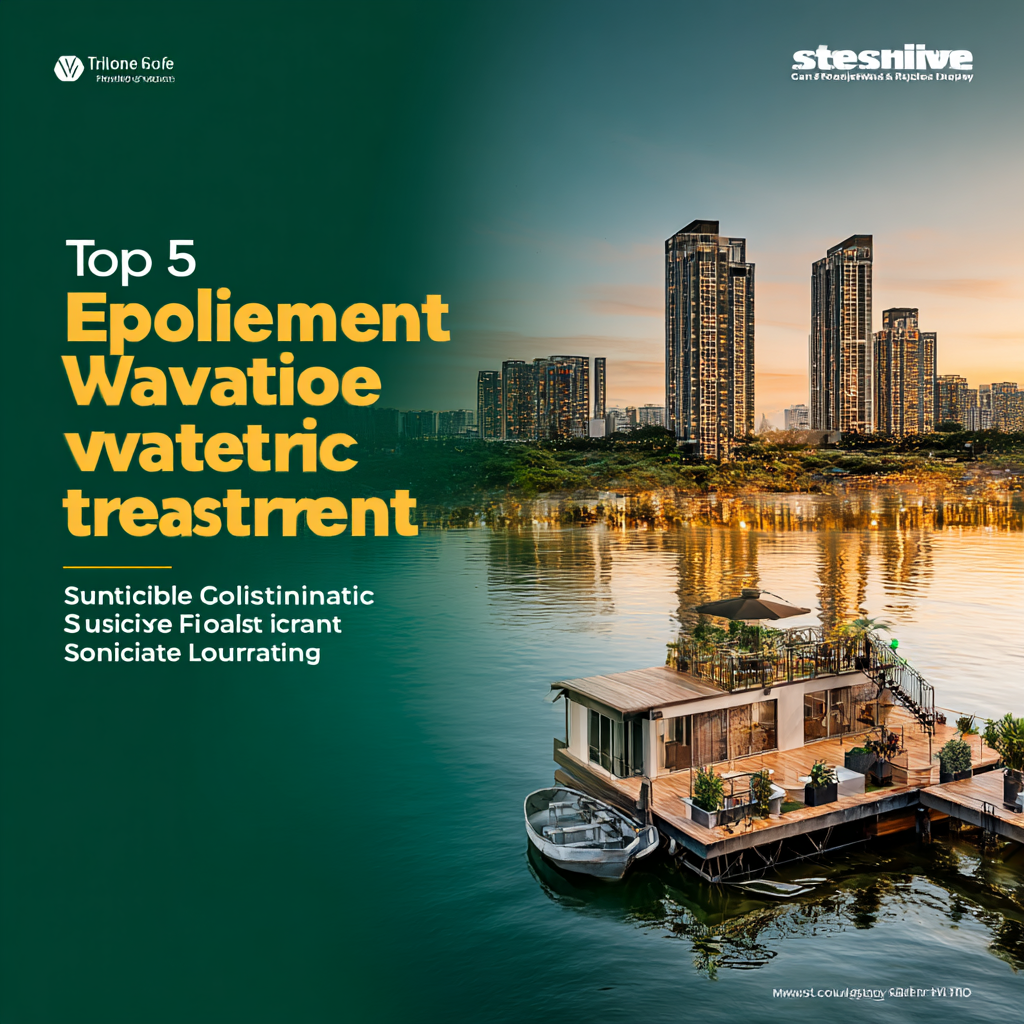 In fact, MBR systems can achieve over 99% pathogen removal efficiency, significantly enhancing the safety and quality of recycled water.
Furthermore, the market for MBR systems is projected to grow significantly, with estimates suggesting that the global MBR market could reach USD 10 billion by 2026, driven by the increasing demand for clean water and stringent regulations on wastewater discharge. As urbanization accelerates, the pressure on existing water treatment facilities is expected to increase, making MBRs a viable option to meet future demands. Their compact design allows for installation in space-constrained areas, which is crucial for urban settings. By implementing MBR technology, cities can advance towards more sustainable living practices while ensuring that wastewater is treated efficiently and responsibly.
Impact of Advanced Oxidation Processes on Water Quality Improvement by 2025
The impact of Advanced Oxidation Processes (AOPs) on water quality improvement is becoming increasingly significant, especially as we approach 2025. AOPs are recognized for their efficacy in degrading recalcitrant organic pollutants in wastewater, addressing the growing concerns of water contamination. According to recent market analyses, the U.S. water and wastewater treatment market is projected to surge from USD 68.54 billion in 2025 to approximately USD 123.76 billion by 2034, underscoring the demand for innovative solutions like AOPs that enhance water treatment efficiency and sustainability.
In addition to AOPs, the integration of AI-powered operational intelligence is transforming water management strategies. These advanced technologies facilitate real-time monitoring and decision-making, optimizing the overall treatment processes. Moreover, the rise of decentralized infrastructure supports sustainable practices, allowing for localized wastewater treatment solutions that minimize transportation costs and environmental impact.
Tips: Consider investing in modern treatment technologies that harness the power of advanced oxidation processes, as they are essential for tackling complex wastewater challenges. Additionally, implementing AI-driven systems can significantly improve the efficiency and effectiveness of water management operations, ensuring a sustainable approach to environmental stewardship.
Revolutionizing Water Recycling: Strategies for Urban Areas in 2025
As urban areas continue to expand, the demand for effective water recycling solutions becomes increasingly critical. By 2025, innovative strategies are set to revolutionize the approach to water reuse, allowing cities to tackle both scarcity and sustainability issues. Advanced treatment technologies, such as membrane bioreactors and decentralized wastewater systems, will enable communities to treat and recycle water on-site. This not only reduces the burden on centralized treatment plants but also fosters a circular economy by turning waste into a valuable resource.
Moreover, public engagement and education will play a pivotal role in the adoption of these strategies. Urban planners and policymakers must collaborate with residents to promote awareness and acceptance of recycled water use for irrigation and non-potable applications. Implementing smart water management systems powered by IoT technology can further enhance efficiency, allowing for real-time monitoring and optimization of water use. By embracing these comprehensive strategies, urban areas can move towards a more sustainable future, turning challenges into opportunities for a greener planet.
Data-Driven Approaches: Using AI to Optimize Water Waste Treatment Effectiveness by 2025
The integration of data-driven approaches, particularly artificial intelligence (AI), is revolutionizing the realm of water waste treatment, paving the way for more effective and sustainable solutions by 2025. By leveraging vast amounts of data, AI algorithms can analyze patterns and optimize treatment processes in real-time, ensuring that resources are utilized efficiently. This allows for the identification of trends in waste generation and the prediction of peak usage times, leading to informed decision-making and more efficient operations.

Moreover, AI technologies can facilitate predictive maintenance, allowing water treatment facilities to anticipate equipment failures before they occur. By analyzing performance data, predictive models ensure that systems operate smoothly and minimize downtime, which is crucial for maintaining water quality and treatment efficacy. The implementation of such intelligent systems not only enhances productivity but also significantly reduces operational costs, making sustainable water waste treatment more accessible and effective for communities worldwide.