How to Treat Sewage Water Effectively and Safely?
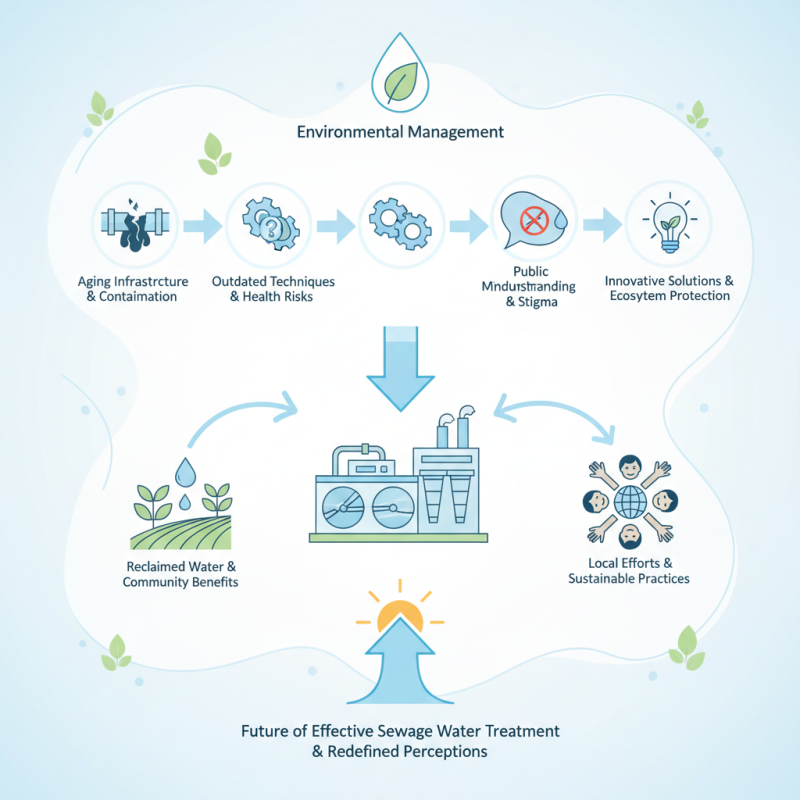
Sewage water treatment is a critical aspect of environmental management today. Experts emphasize the importance of safe practices in handling wastewater. Dr. Emily Chen, a leading authority in the sewage water treatment industry, once stated, "Effective treatment requires innovative solutions to protect our ecosystem." This highlights that processing sewage isn’t just about technology; it's about safeguarding our health and environment.
In many areas, traditional sewage systems are overburdened. Aging infrastructure can lead to contaminations and health risks. Many people overlook the crucial need for updates in treatment methods. For instance, some municipalities still rely on outdated techniques that pose risks. This reveals a gap that needs addressing.
Moreover, the public mindset towards sewage water treatment often reflects misunderstanding and stigma. Many believe such practices are harmful, yet they can significantly benefit communities through reclaimed water. Encouraging local efforts can cultivate a culture of sustainable practices. There's still much work to be done in increasing awareness and understanding. Redefining perceptions is essential for the future of effective sewage water treatment.
Effective Methods for Sewage Water Treatment: A Comprehensive Overview
Sewage water treatment is crucial for environmental safety. Various methods exist, each with unique advantages.
Mechanical treatment involves physical processes to remove solids. This method can be effective but may miss some pollutants. It requires constant monitoring to ensure efficiency.
Biological treatment utilizes microorganisms. These organisms digest organic matter, reducing waste. This approach is cost-effective but can take longer to yield results. It’s essential to maintain proper conditions for the microbes to thrive. If not managed correctly, it could lead to underperformance.
Tip:
Regular maintenance is key. Check equipment often to prevent failures. Ensure the environment is favorable for microorganisms. Monitoring water quality regularly can help identify issues early. It’s a reminder that treatment methods may face challenges. Each system has limitations, and being aware helps improve the process.
Key Technologies in Sewage Water Treatment: Pros and Cons
Sewage water treatment involves various technologies, each with its own strengths and weaknesses. Biological processes, like activated sludge, are common. They use microorganisms to break down waste. The cost is lower compared to advanced methods. However, they require significant space and can struggle with toxic substances.
Membrane technologies also offer effective solutions. They can remove tiny particles and pathogens. These systems have a high efficiency rate. Yet, the initial investment is steep, and membranes need regular maintenance. Some users report issues with clogging over time.
Tips for effective sewage treatment: Always consider local regulations when selecting technologies. Regular maintenance is crucial for efficiency. Collaborate with environmental experts to ensure compliance. Overlooking these details can lead to costly mistakes or inefficiencies in your treatment system. It’s essential to assess both current needs and future implications for a sustainable approach.
Key Technologies in Sewage Water Treatment: Pros and Cons
Understanding Sewage Water Contaminants and Their Impact on Health
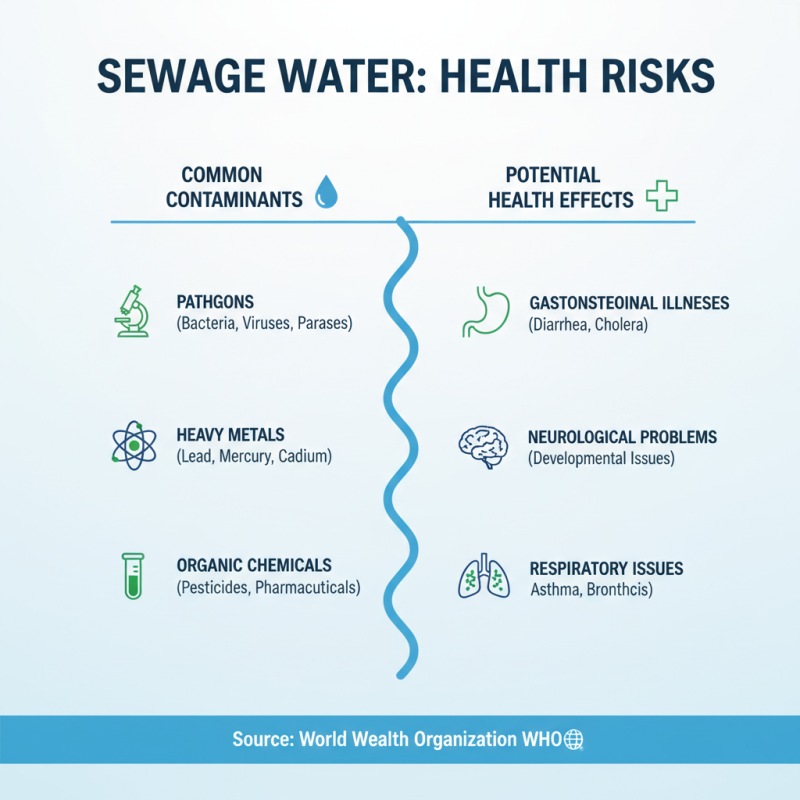
Sewage water contains various contaminants that pose significant health risks. Common impurities include pathogens, heavy metals, and organic chemicals. The World Health Organization (WHO) states that exposure can lead to gastrointestinal diseases, neurological problems, and even respiratory issues. Understanding these risks is crucial for public health and safety.
Pathogens in sewage can cause severe illnesses. For instance, bacteria like E. coli and viruses can thrive in untreated sewage. The Centers for Disease Control and Prevention (CDC) estimates that waterborne diseases affect millions each year. Heavy metals, such as lead and cadmium, can contaminate drinking water. Long-term exposure to these substances leads to serious health complications.
Tip: Regular monitoring of water quality is essential for communities. Implementing effective sewage treatment systems can greatly reduce health risks. Education about sewage contaminants is critical. People should know how to protect themselves from exposure.
Many treatment facilities struggle to keep up with modern contaminants. Chemicals from pharmaceuticals and personal care products are increasingly found in sewage. Most treatment systems are not designed to remove these pollutants. Awareness of these shortcomings encourages better practices.
Tip: Homeowners can be proactive by disposing of chemicals safely. Avoid pouring hazardous substances down the drain. Cleaning products, medications, and oils should be taken to community disposal events. This can reduce harmful contaminants in local sewage systems.
Regulatory Standards and Compliance in Sewage Treatment Processes
Regulatory standards play a crucial role in sewage treatment processes. Compliance is essential to ensure public health and environmental safety. Various regulations govern the treatment methods used by facilities. These laws often vary by region, focusing on specific contaminants. Facilities must regularly test and report their water quality. This creates transparency and accountability.
Understanding these regulations is complex. Not all sewage treatment plants are equipped for every requirement. Some may struggle to meet specific pollutant limits. This can lead to significant environmental issues. For instance, untreated sewage can contaminate water bodies, harming aquatic life. Many facilities need ongoing support to adapt to changing regulations.
Inadequate staffing and resources are common challenges. Training personnel to understand compliance is vital but often overlooked. Regular audits can help identify gaps in knowledge or practices. This reflection can drive improvements in procedures. Facilities must prioritize staying updated with standards and invest in necessary training. Overall, compliance is not just about following laws; it is about ensuring a safer environment for everyone.
Innovative Solutions in Sewage Water Recycling and Reuse Practices
Sewage water recycling is gaining traction as a vital practice in sustainable water management. According to the United Nations, nearly 80% of all wastewater worldwide is discharged untreated. This raises serious environmental and health concerns. Innovative solutions are crucial to treat and reuse sewage water safely.
Advanced technologies, such as membrane bioreactors and biological filtration systems, are emerging. These methods can effectively reduce contaminants. A study published by the World Health Organization found that treated sewage can safely be used for irrigation. The report states this practice can save up to 50% of fresh water in urban areas. However, challenges remain, like public perception and regulatory frameworks.
Not all sewage treatment systems are equal in efficiency. Some plants still struggle with outdated technologies and require significant upgrades. Around 40% of treated wastewater is underutilized. This inefficiency leads to wasted resources. The industry needs to address these gaps. Ensuring safety and public trust in recycled water is vital. Expanding education on sewage treatment could foster a more positive outlook.
How to Treat Sewage Water Effectively and Safely?
| Method |
Description |
Efficiency (%) |
Cost ($ per m³) |
Safety Level |
| Activated Sludge Process |
Biological treatment using microorganisms to decompose organic matter. |
85 |
0.50 |
High |
| Membrane Bioreactor |
Integration of biological treatment with membrane filtration for improved solid-liquid separation. |
90 |
1.20 |
Very High |
| Constructed Wetlands |
Natural treatment system using wetland vegetation to filter and decompose pollutants. |
75 |
0.30 |
Moderate |
| Reverse Osmosis |
Membrane-based technology to remove ions, molecules, and larger particles from water. |
95 |
2.50 |
Very High |
| Chemical Precipitation |
Adding chemicals to form insoluble compounds that can be removed from water. |
80 |
0.80 |
High |