2026 How to Effectively Manage Waste Water Removal?
Effective management of waste water removal is critical for environmental sustainability. According to the World Bank, global waste water generation is expected to reach 18 trillion cubic meters by 2025. This alarming figure underscores the urgency for smart waste water management strategies.
Modern cities face challenges in managing increasing waste water volumes. Aging infrastructure and urbanization exacerbate the situation. Reports indicate that about 80% of waste water is discharged without adequate treatment. This not only poses health risks but also endangers aquatic ecosystems.
Innovative technologies and strategic policies are essential for effective waste water removal. Implementing advanced treatment methods can enhance recovery rates of water and nutrients. However, many municipalities struggle with funding and expertise. Reflecting on current practices can reveal gaps. Identifying shortcomings is vital for progress.
Overview of Waste Water Removal Processes and Technologies
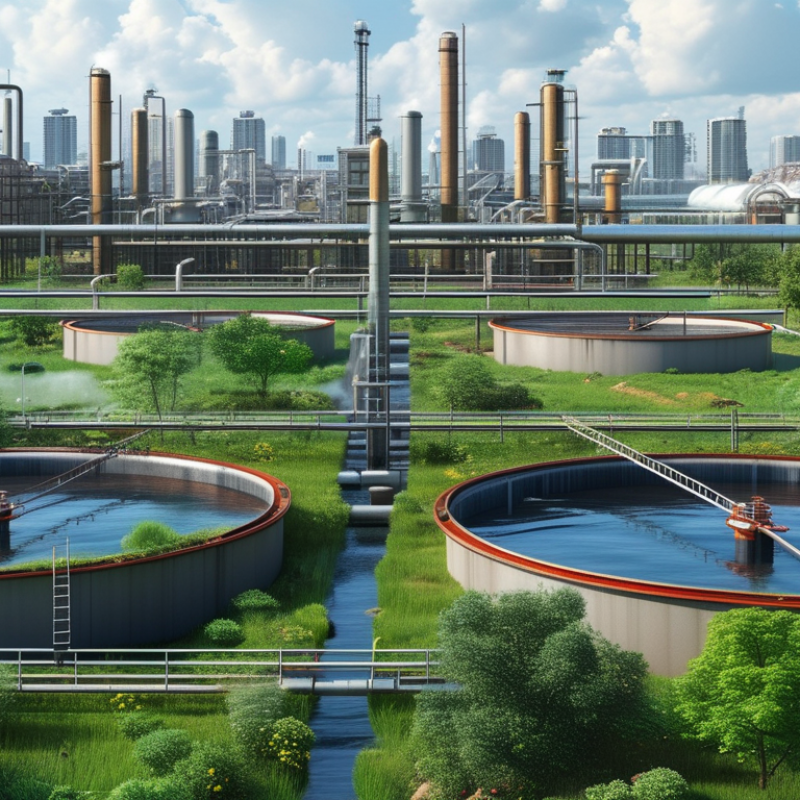
Wastewater removal is crucial for environmental health. Effective management minimizes risks to ecosystems and human health. Various processes and technologies exist to tackle wastewater challenges. Understanding these is essential for efficient handling.
Biological treatment methods harness microorganisms. These tiny helpers break down organic matter in wastewater. Aerobic processes require oxygen, while anaerobic ones do not. Each has its strengths and drawbacks. For instance, aerobic systems often yield faster results but consume more energy. Design and operation should consider local needs and resources.
Physical methods involve sedimentation and filtration. These processes remove solid contaminants from wastewater. They can be effective yet may not address all pollutants. Chemical treatments add another layer, using agents to neutralize harmful substances. However, reliance on chemicals raises concerns about residues. Operators must continuously adapt strategies to emerging challenges and regulations. Effective management requires an open-minded approach, acknowledging that no single solution fits all scenarios.
Identifying Sources and Types of Waste Water in Various Industries
Wastewater can emerge from various industries, with each generating unique types. Manufacturing facilities often produce wastewater rich in chemicals. Food processing plants generate high volumes of organic waste. These categorically different sources require tailored management strategies.
In construction, wastewater may contain sediments and oils. Treating this effectively is crucial to prevent environmental harm. Many industries struggle with proper identification and management of wastewater. This can lead to potential compliance issues and environmental impact. Understanding these sources helps in developing targeted solutions.
Industries should prioritize wastewater audits. Regular assessments can reveal the actual types of wastewater generated. Employees need training on best practices. Some organizations may overlook the significance of proper disposal, leading to costly fines. Reflecting on these areas can improve overall wastewater management strategies.
Best Practices for Effective Waste Water Treatment and Disposal
Effective wastewater treatment and disposal are crucial for environmental sustainability. According to a report by the Environmental Protection Agency (EPA), improper management contributes to the pollution of water bodies and affects public health. The global wastewater treatment market is expected to reach $500 billion by 2026, indicating a growing need for effective strategies.
Implementing best practices can significantly enhance wastewater management. Regular maintenance of treatment facilities is essential. Many facilities fail due to inadequate upkeep, leading to costly repairs. Training staff to recognize issues early can prevent small problems from becoming major disruptions. Efficient processes like membrane bioreactors and bioaugmentation have shown promise in improving treatment efficiency.
It is important to monitor and adapt continuously. Data from the World Health Organization (WHO) shows that only 55% of wastewater is treated globally. This statistic underscores the urgent need for improvements in technology and infrastructure. Investing in research can lead to innovative solutions, but many regions struggle with outdated systems. Engaging communities in awareness programs can enhance efforts. Effective management requires a collective approach, merging advanced technology with local knowledge for sustainable practices.
2026 How to Effectively Manage Waste Water Removal? - Best Practices for Effective Waste Water Treatment and Disposal
| Practice |
Description |
Effectiveness |
Cost |
| Primary Treatment |
Initial physical separation of solids from wastewater. |
Moderate |
Low |
| Secondary Treatment |
Biological processes to degrade organic material. |
High |
Medium |
| Tertiary Treatment |
Advanced treatment for wastewater to remove remaining contaminants. |
Very High |
High |
| Sludge Management |
Handling and disposal of sludge generated during treatment. |
Moderate |
Variable |
| Reuse and Recycling |
Utilizing treated wastewater for agricultural or industrial purposes. |
High |
Variable |
Regulatory Standards and Compliance in Waste Water Management
Regulatory standards play a critical role in effective wastewater management. Governments set these standards to protect public health and the environment. Compliance with local, state, and federal regulations is vital for all wastewater facilities. Failure to adhere can lead to severe penalties and environmental harm.
Water treatment processes should align with these regulations. Regular audits and assessments ensure adherence to the rules. Monitoring chemical treatments and discharge limits is essential. Facilities must keep detailed records of their waste management practices. This transparency helps build trust with the community and regulators alike.
Innovation in technology can improve compliance efforts. Advanced monitoring systems provide real-time data. However, implementing new technologies requires planning and training. Organizations often struggle with the transition. Balancing compliance, cost, and efficiency is a constant challenge. Continuous learning and adaptation are necessary for success in this field.
Innovative Solutions for Sustainable Waste Water Removal Strategies
Innovative solutions for sustainable wastewater removal are critical in today’s world. According to a report by the World Health Organization, effective wastewater management can reduce the prevalence of waterborne diseases by up to 58%. This statistic highlights the importance of implementing advanced technologies and practices in wastewater treatment.
One promising approach is utilizing biofiltration systems. These systems use natural processes to filter and remove contaminants. They can achieve significant reductions in chemical oxygen demand (COD) and nitrogen levels. Research indicates that biofiltration can reduce COD levels by over 80%, showcasing its efficiency and sustainability. However, scaling this solution can be challenging due to varying geographical and climatic conditions.
Tips for effective wastewater management include regular maintenance of treatment systems. This ensures efficiency and longevity. Educating communities about water conservation can also lead to significant reductions in wastewater generation. Collaboration between industries and local governments can foster innovative ideas and funding opportunities. Exploring emerging technologies, such as membrane bioreactors and closed-loop systems, can further enhance wastewater treatment processes. These methods show promise but require ongoing research and investment to optimize them for widespread use.