What is Electrical Steel and its Applications in Industry?
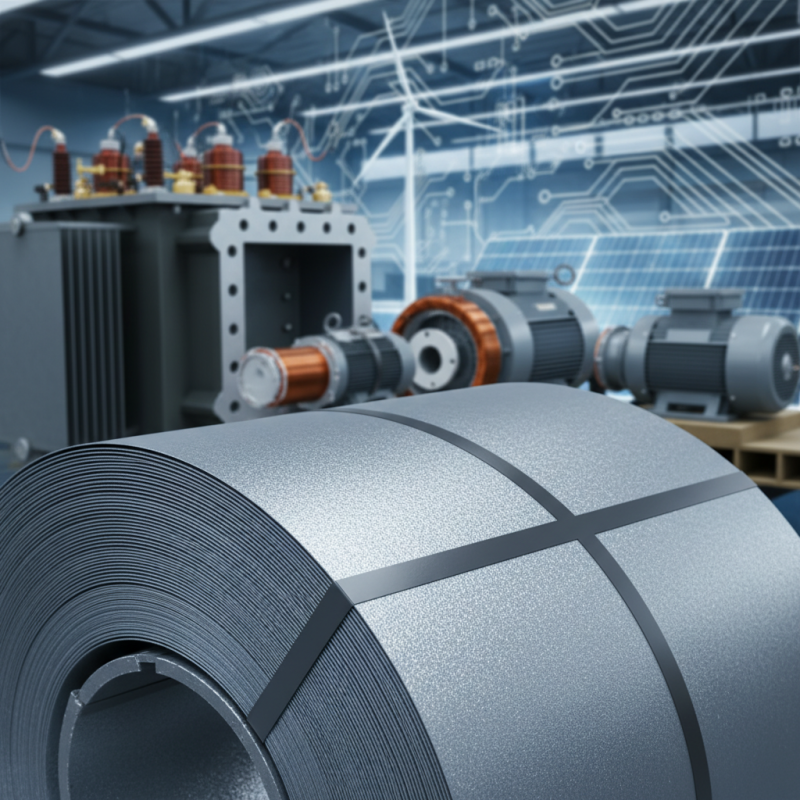
Electrical Steel is a specialized steel designed for electrical applications. It possesses unique magnetic properties that reduce energy losses in electrical equipment. This lightweight material is essential in the production of transformers, electric motors, and generators.
Industries increasingly depend on Electrical Steel for its efficiency. With rising energy demands, optimizing performance becomes crucial. However, the manufacturing process can produce variations in quality. Some materials may not meet required standards. This inconsistency calls for improved quality control measures.
Understanding the applications of Electrical Steel is vital for modern technology. It plays a significant role in renewable energy systems, such as wind and solar power. As industries evolve, the need for high-performance electrical components increases. This evolution offers opportunities for innovation and raises questions about sustainability and production practices.
What is Electrical Steel?
Electrical steel is a specialized type of steel designed for electrical applications. It is mainly composed of iron and carbon, with specific alloying elements added to enhance its magnetic properties. This material is essential for many electrical components. It allows for efficient energy transfer and minimizes losses.
One key feature of electrical steel is its grain-oriented structure. This orientation improves its magnetic efficiency, making it ideal for motors, transformers, and generators. In motors, higher efficiency leads to reduced energy consumption and lower operational costs. However, as technology advances, manufacturers face challenges in maintaining quality control during production. Small defects in the material can lead to significant performance issues.
Electrical steel is also used in renewable energy systems, particularly wind and solar power. It helps optimize the function of generators and inverters, ensuring energy is converted and used efficiently. Despite its advantages, sourcing raw materials and adhering to strict environmental regulations can complicate production. The industry must balance efficiency and sustainability while addressing these challenges.
Electrical Steel Applications in Industry
Electrical steel is a type of specialty steel used in the manufacturing of electrical devices. The chart above shows the applications of electrical steel in various industries, illustrating its importance in transformers, electric motors, generators, inductors, and magnetic cores.
Composition and Types of Electrical Steel
Electrical steel, known for its unique magnetic properties, plays a crucial role in various industrial applications. Understanding its composition and types is vital. Two primary types of electrical steel exist: silicon steel and amorphous steel. Silicon steel, typically containing 1-4% silicon, enhances magnetic permeability. This type is widely used in transformers and electric motors. In contrast, amorphous steel, with a non-crystalline structure, exhibits lower energy losses. These characteristics make it advantageous for modern applications.
Data indicates that the global electrical steel market is projected to reach around $30 billion by 2025, highlighting its growing importance. As industries expand, the need for efficient energy conversion increases. Steel’s properties are not flawless; processing and manufacturing could affect performance. Losses in magnetic efficiency occur during production, which some manufacturers struggle to minimize. As technologies advance, researchers aim to improve these properties further.
Selecting the right type of electrical steel is crucial for various applications. For instance, the choice depends on performance requirements and cost. Some industries may overlook the long-term benefits of high-quality materials. This can lead to excessive energy consumption and inefficiencies. Balancing cost and efficiency remains a challenge for many. The innovation in this field is ongoing, fostering new solutions to overcome these issues.
Manufacturing Process of Electrical Steel
The manufacturing process of electrical steel is intricate yet vital in modern industries. Electrical steel, known for its high magnetic permeability, is primarily used in transformers and motors. The process begins with selecting raw iron ore. The purity of the ore is crucial. Impurities can lead to defects in the final product, impacting performance.
Next, the steel undergoes melting and casting. This phase can produce slabs with varied thicknesses. From there, the slabs are hot-rolled and cold-rolled. Hot-rolling refines the steel's grain structure. Cold-rolling enhances its magnetic properties. According to industry reports, the global electrical steel market is expected to grow by 5.3% annually. This growth underscores the importance of refining the manufacturing process.
After rolling, the steel is coated. Coatings reduce energy loss. However, achieving an ideal thickness can be challenging. Even a minor deviation can alter the steel's effectiveness. Thus, companies must rigorously test and adjust their processes. Innovations in production techniques could improve these aspects. Continuous evaluation is vital for meeting industry standards.
Key Applications of Electrical Steel in Industry
Electrical steel, also known as silicon steel, is a specialized material used widely in industries. Its magnetic properties make it ideal for electrical applications. Transformers and electric motors heavily rely on it to operate efficiently. When used in these devices, it enhances performance and reduces energy loss. This is crucial in our energy-driven world.
In addition, electrical steel is vital in manufacturing generators. Wind turbines and hydroelectric plants utilize this steel for optimal energy conversion. The choice of electrical steel impacts the overall efficiency of these systems. However, choosing the right grade remains challenging. Producers face difficulties balancing cost and performance.
Beyond generators and transformers, electrical steel finds use in various consumer electronics. It enhances the efficiency of appliances like refrigerators and air conditioners. Yet, its application can be inconsistent. Not all manufacturers prioritize quality in their products, leading to potential energy inefficiencies. Thus, users must remain critical of the choices available in the market.
Advantages and Challenges of Using Electrical Steel
Electrical steel is a critical component in various industries, notably in electrical machinery. Its primary advantage is in its high magnetic permeability, which improves the efficiency of transformers and motors. Reports indicate that electrical steel can reduce energy losses by up to 30%. This is significant for industries striving for sustainability. However, the production process can be challenging. The cost of raw materials has increased, impacting pricing.
Manufacturers face challenges in balancing performance and cost. The production of electrical steel requires precise control of its properties. Even minor variations can lead to decreased performance. Data from industry experts show that 20% of produced sheets do not meet quality standards. This creates waste and increases operating costs. Additionally, the market demands are shifting toward thinner and lighter sheets. Keeping up with these trends requires innovation and adaptation from producers.
Another concern is the environmental impact of production. The manufacturing process can generate waste, which must be managed carefully. Implementing better recycling methods is essential but remains a challenge. The industry is under pressure to improve its sustainability practices. As energy efficiency becomes more crucial, addressing these disadvantages is imperative for future growth.