Essential Tips for Efficient Wastewater Treatment Plant Operations
Efficient operation of a wastewater treatment plant is crucial for maintaining sustainable water management and ensuring environmental protection. As industry expert Dr. Emily Carter, a leading figure in environmental engineering, states, “Effective wastewater treatment not only safeguards public health but also protects our ecosystems for future generations.” This highlights the importance of optimizing plant operations to enhance performance while reducing costs and environmental impact.
In today's rapidly evolving technological landscape, wastewater treatment plants face unique challenges that require innovative solutions. From managing complex biological processes to integrating advanced monitoring systems, professionals in the field must navigate numerous factors that affect efficiency. By implementing best practices and fostering a culture of continuous improvement, plant operators can significantly enhance the treatment process, ensuring compliance with regulatory standards and promoting a greener future.
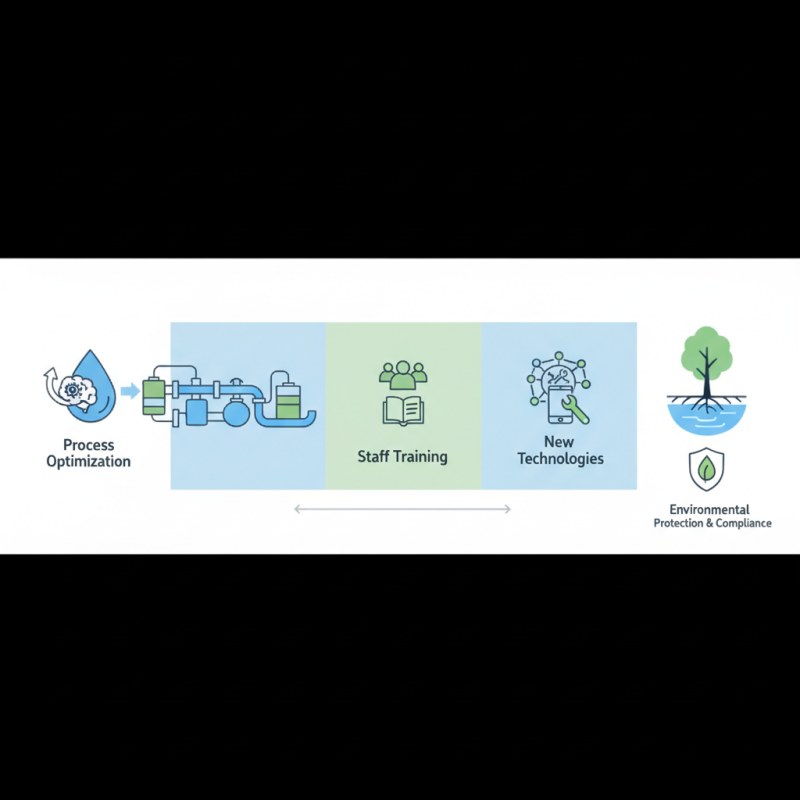
This guide aims to provide essential tips and strategies for effective wastewater treatment plant operations, focusing on areas such as process optimization, staff training, and the adoption of new technologies. By leveraging these insights, wastewater treatment plants can not only improve their operations but also contribute to the overall health of our water resources.
Understanding the Basics of Wastewater Treatment Processes
Efficient wastewater treatment is crucial for protecting public health and the environment. Understanding the basics of wastewater treatment processes is the first step in enhancing plant operations. Wastewater treatment typically involves several stages: primary treatment, secondary treatment, and sometimes tertiary treatment. Each of these stages plays a vital role in removing contaminants from wastewater. For instance, according to the U.S. Environmental Protection Agency (EPA), secondary treatment can reduce organic pollutants by 85-95%, significantly improving water quality before it is released back into water bodies.
To optimize wastewater treatment processes, operators should consider implementing the following tips. First, regular maintenance of equipment is essential to prevent breakdowns and ensure smooth operation. Routine checks and servicing can extend the lifespan of pumps and filters, leading to more reliable treatment outcomes. Additionally, operator training is critical; knowledgeable staff are more adept at troubleshooting issues and optimizing process parameters. Research shows that well-trained personnel can lead to improvements of up to 30% in process efficiency.
Another important practice is the monitoring of inflow and outflow metrics. This data-driven approach can identify trends and anomalies, helping operators adjust treatment processes proactively. The National Association of Clean Water Agencies reports that real-time monitoring and data analytics can enhance operational efficiency by up to 25%. By focusing on these foundational aspects, wastewater treatment plants can achieve their operational goals while contributing to environmental sustainability.
Essential Tips for Efficient Wastewater Treatment Plant Operations
| Process Stage |
Description |
Key Parameters |
Typical Duration |
Common Challenges |
| Preliminary Treatment |
Removal of large solids and debris |
Flow rate, Screening efficiency |
Minutes to hours |
Clogging, Maintenance issues |
| Primary Treatment |
Sedimentation of suspended solids |
Sludge volume, Settling rate |
Hours to days |
Residual solids, Sludge handling |
| Secondary Treatment |
Biological degradation of organic matter |
Biochemical Oxygen Demand (BOD), Suspended solids |
Days to weeks |
Odor control, Sludge production |
| Tertiary Treatment |
Advanced treatment for nutrients and pathogens |
Nutrient levels, Pathogen counts |
Hours to days |
Cost, Complexity |
| Disinfection |
Killing or inactivating pathogens |
Chlorine residual, Contact time |
Minutes |
By-products formation, Effectiveness |
| Sludge Management |
Handling and disposal of residual sludge |
Volume, Treatment method |
Varies |
Cost, Environmental regulations |
Key Components of Wastewater Treatment Plant Operations
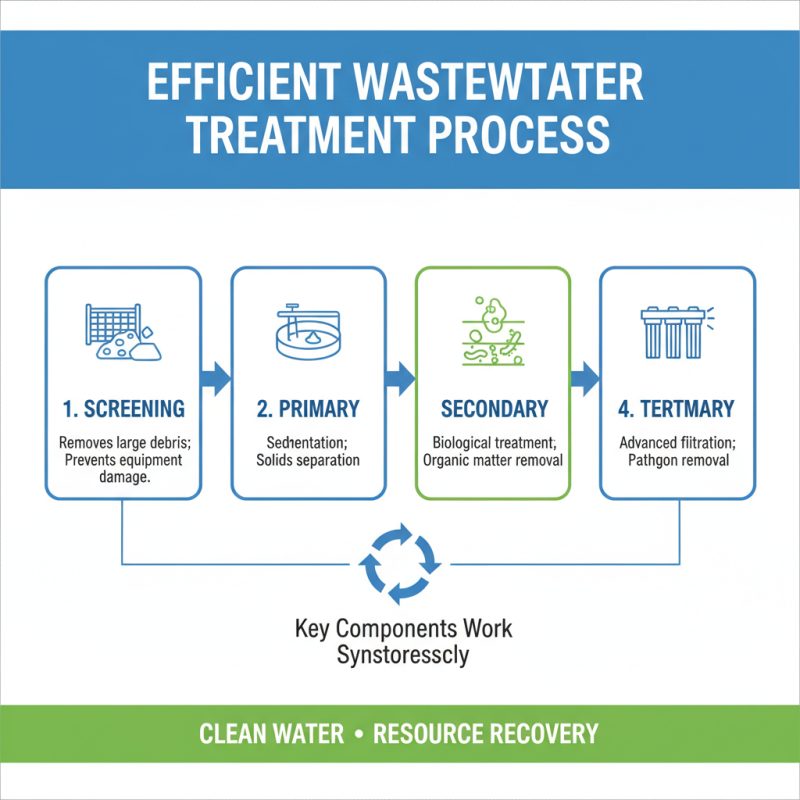
Efficient wastewater treatment plant operations hinge on a few key components that work synergistically to ensure the effective removal of contaminants. The primary processes include screening, primary treatment, secondary treatment, and tertiary treatment. Screening is the first line of defense, where larger debris is removed to prevent damage to subsequent treatment equipment. This step is crucial as it sets the stage for a more efficient treatment process by minimizing clogging and wear on mechanical parts.
Once screening is completed, primary treatment follows, which involves sedimentation tanks where heavier solids settle at the bottom, forming sludge. This process is vital for reducing the organic load on the subsequent biological treatment stage. Secondary treatment then employs biological methods such as activated sludge systems or biofilters to further reduce organic matter and nutrients. Here, microorganisms play a key role in breaking down remaining pollutants. Finally, tertiary treatment provides additional polishing, targeting any remaining contaminants to ensure that the effluent meets water quality standards before being discharged or reused.
Effective monitoring and control systems are integral to managing these components. Automated sensors and data analysis can optimize operations by providing real-time insights into system performance, allowing for timely adjustments. Additionally, regular maintenance of equipment and infrastructure is essential to prevent breakdowns and ensure smooth operations. By focusing on these key components, wastewater treatment plants can achieve efficient and effective treatment while complying with environmental regulations.
Monitoring and Maintaining Operational Efficiency
Monitoring and maintaining operational efficiency is crucial for the success of wastewater treatment plants. Regular monitoring of key parameters such as flow rates, chemical dosages, and effluent quality ensures that the treatment processes are functioning as intended. It's essential to employ advanced monitoring technologies, including real-time data analytics and automated systems, which can help identify potential issues early, reducing downtime and maintenance costs.
One important tip for optimizing operational efficiency is to establish a routine maintenance schedule. Regular inspections of equipment, such as pumps and aerators, can prevent unexpected breakdowns and extend the life of critical assets. Additionally, training staff on the latest operational practices and equipment handling can improve overall performance. Ensuring that your team is knowledgeable about the processes helps in maintaining a consistent treatment quality and responding effectively to any anomalies.
Another key aspect is to utilize data from monitoring systems to drive continuous improvement. Analyzing historical performance data can reveal trends and patterns that can lead to more informed decisions regarding process adjustments. Implementing process automation where feasible can further enhance efficiency by minimizing human error and optimizing chemical feed rates based on real-time conditions. By focusing on these strategies, wastewater treatment plants can achieve sustained operational efficiency while ensuring compliance with environmental standards.
Operational Efficiency of Wastewater Treatment Plants
This bar chart illustrates the operational efficiency of wastewater treatment plants over the course of a year. Efficiency is measured as a percentage, showcasing monthly performance trends and identifying periods of higher efficiency.
Common Challenges in Wastewater Treatment Management
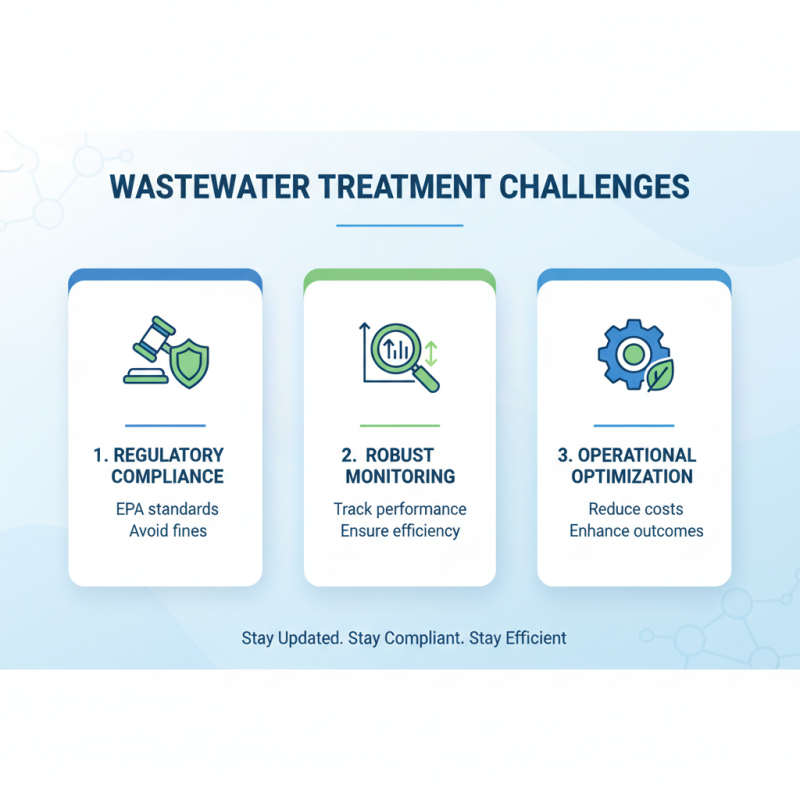
Efficient wastewater treatment management faces several common challenges that facilities must navigate to ensure optimal operations. One significant challenge is compliance with stringent regulatory standards. According to the Environmental Protection Agency (EPA), non-compliance can result in costly fines and remediation efforts. To avoid these pitfalls, plant operators should stay updated with local and federal regulations and incorporate robust monitoring systems. This not only aids in maintaining compliance but also enhances overall operational efficiency.
Another pressing issue is managing the variability of incoming wastewater flow and composition. Changes in industrial discharge or weather patterns can significantly affect treatment processes. A report by the Water Environment Federation suggests implementing advanced data analytics to predict and adapt to these variations. By leveraging technologies such as real-time monitoring and control systems, wastewater treatment plants can improve their response to fluctuations in inflow, ensuring consistent treatment performance.
**Tip:** Regular staff training on new technologies and procedures can further mitigate these challenges, enabling operators to respond effectively to unexpected situations. Additionally, establishing strong partnerships with local industries can promote better communication about wastewater contributions, facilitating smoother operations and collaboration in meeting environmental goals.
Implementing Best Practices for Sustainable Operations
Implementing best practices for sustainable operations in wastewater treatment plants is crucial for minimizing environmental impact while optimizing performance. One essential tip is to regularly conduct process audits, which can identify inefficiencies and areas for improvement. By evaluating energy consumption, chemical use, and overall operational workflows, facilities can implement adjustments that lead to significant cost savings and a reduction in carbon footprint.
Moreover, integrating advanced monitoring technologies enables real-time assessments of system performance, ensuring quick responses to any deviations from expected parameters.
Another important aspect of sustainable operations is fostering a culture of continuous improvement among staff. Employee training programs focused on sustainability principles can empower workers to suggest innovative practices that enhance operational efficiency. Engaging the community through outreach initiatives can also promote awareness of the importance of wastewater treatment processes, leading to greater collaboration and support for eco-friendly practices.
By embracing a holistic approach that prioritizes sustainability, wastewater treatment plants can successfully navigate the challenges of modern operations while contributing to environmental preservation.