Why Is Wastewater Treatment System Vital for Our Environment?
The wastewater treatment system plays a crucial role in maintaining environmental health. It cleans dirty water from households, industries, and businesses. Without proper treatment, this wastewater can pollute rivers, lakes, and oceans. Contaminated water leads to a loss of aquatic life and damages ecosystems.
In urban areas, the volume of wastewater generated is overwhelming. Many cities struggle to manage this waste effectively. Treatment facilities face challenges, such as outdated technology and insufficient funding. As a result, some pollutants may still enter our waterways, raising serious environmental concerns.
Moreover, public awareness about the importance of treating wastewater is often lacking. Many people take clean water for granted. This negligence can have dire consequences for public health. It is essential to recognize the significance of a robust wastewater treatment system. We must push for improvements and advocate for sustainable practices. Only by addressing these issues can we ensure a healthier environment for future generations.
Importance of Wastewater Treatment for Environmental Protection
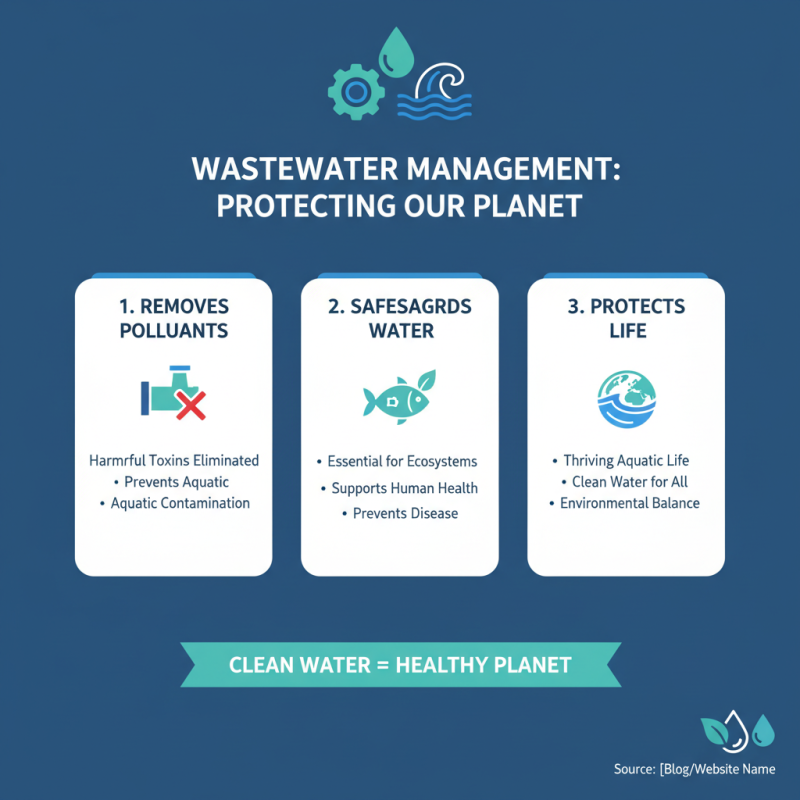
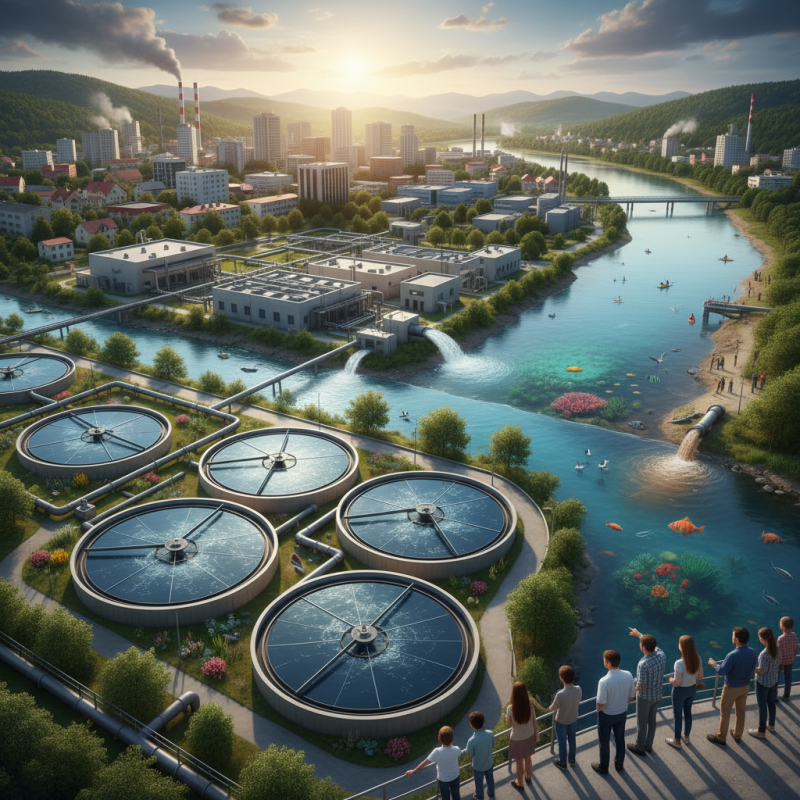
Wastewater treatment is crucial for environmental protection. It cleans polluted water, removing harmful substances. Without treatment, contaminated water can enter rivers, lakes, and oceans. This creates serious risks for wildlife and humans alike. Insects and fish suffer, leading to imbalances in ecosystems. Contaminated waters impact drinking sources, too.
In many places, treatment facilities face challenges. Sometimes, they lack adequate funding or technology. As a result, not all wastewater is treated effectively. This can lead to unpleasant odors and visible pollution. Urban areas frequently struggle with overload during storms. Untreated runoff leads to harmful algal blooms in water bodies. These blooms reduce oxygen levels, killing marine life.
People need to recognize the importance of proper treatment. Education can help foster a culture of conservation. Simple actions, like reducing water use or proper disposal of chemicals, matter. Everyone can contribute to better wastewater management. Reflecting on our habits can lead to positive change. It's time to prioritize the environment we share.
Importance of Wastewater Treatment for Environmental Protection
The chart above illustrates the significance of various aspects of wastewater treatment in maintaining environmental health. Each bar represents the impact level (%) of crucial treatment processes such as nutrient removal, pathogen reduction, and chemical oxygen demand (COD) reduction. High efficiency in these areas is essential for reducing pollution, protecting ecosystems, and enabling water reuse initiatives.
Understanding the Composition and Sources of Wastewater
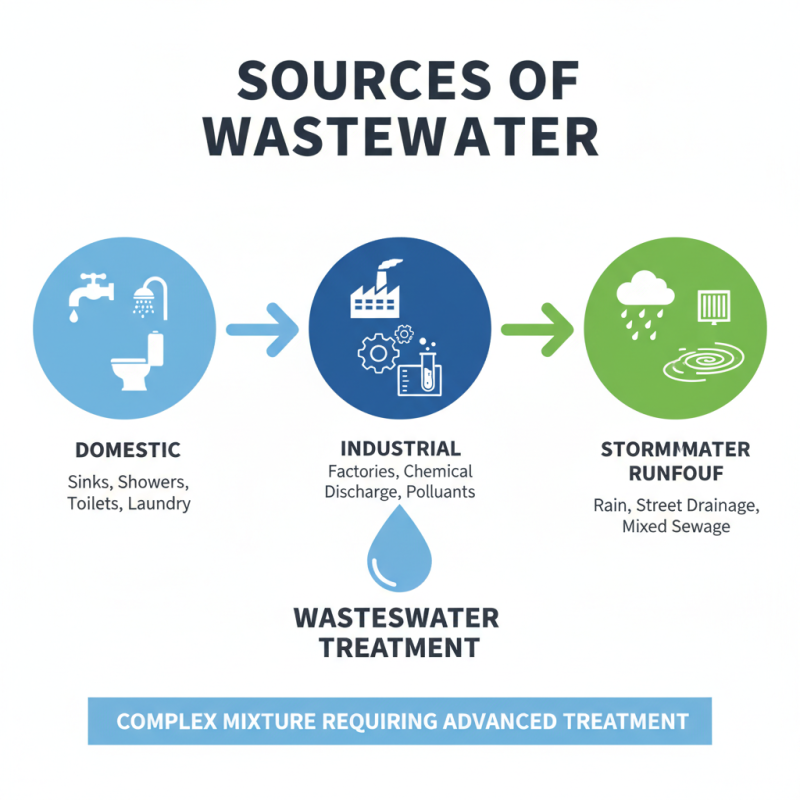
Wastewater often comes from various sources. Domestic activities contribute a large portion. This includes water from sinks, showers, and toilets. Industrial processes also add to the problem. Factories discharge chemicals and other pollutants. Stormwater runoff can mix with sewage, complicating treatment processes.
Understanding wastewater's composition is crucial. It contains organic matter, nutrients, and pathogens. Nutrients like nitrogen and phosphorus can harm ecosystems. When untreated, they can lead to algal blooms in water bodies. These blooms deplete oxygen levels and kill fish. Pathogens pose health risks, contaminating drinking water sources.
Many people underestimate this issue. A lack of awareness exists about the impact of wastewater. Not all communities have access to efficient treatment systems. As a result, polluted water can flow into rivers and oceans. The long-term effects can be devastating. Reflecting on our habits is essential to mitigate this problem.
How Wastewater Treatment Systems Function Effectively
Wastewater treatment systems are essential for maintaining a healthy environment. These systems work by filtering and purifying used water before it returns to nature. They help to remove harmful substances. This ensures that pollutants do not contaminate our rivers and lakes. When pollutants enter water bodies, they harm aquatic life and disrupt ecosystems.
The process of wastewater treatment involves several steps. Initially, large solids are removed through screening. Then, the water undergoes biological treatment, where bacteria break down organic matter. This step is crucial for reducing nutrients like nitrogen and phosphorus, which can cause algae blooms. Sometimes, the water is further treated with chemicals.
Yet, there are challenges. Some systems may not effectively remove all contaminants. Aging infrastructure can lead to leaks and overflow. Communities must reflect on these issues. Investment in new technologies and regular maintenance is vital. It’s essential to prioritize the health of our aquatic environments for future generations.
Challenges and Innovations in Wastewater Treatment Technologies
Wastewater treatment faces numerous challenges. As urbanization increases, so does the volume of wastewater generated. The World Bank estimates that nearly 80% of wastewater globally is released into the environment without treatment. This alarming statistic underscores the urgency for better systems. However, many existing infrastructures are outdated and inefficient.
Innovative technologies are emerging to tackle these issues. For example, membrane bioreactors (MBRs) have shown promising results. These systems combine biological treatment and membrane filtration. According to recent studies, MBRs can improve water quality significantly and reduce space requirements. Yet, they are costly to implement and maintain. This raises questions about accessibility for smaller municipalities.
The integration of smart technologies is also gaining traction. Real-time monitoring systems can enhance treatment processes. These technologies can predict failures before they occur. However, they often require investment in training personnel. The potential benefits are substantial, but the reality may fall short of expectations. Many regions struggle to adopt these innovations due to budget constraints and lack of technical expertise. As the demand for clean water rises, the pressure to innovate and improve remains critical.
Why Is Wastewater Treatment System Vital for Our Environment? - Challenges and Innovations in Wastewater Treatment Technologies
| Parameter |
Importance |
Challenges |
Innovations |
| Nutrient Removal |
Prevents eutrophication in water bodies. |
Existing methods often inefficient for low concentrations. |
Advanced oxidation processes and bioreactors. |
| Pathogen Removal |
Safeguards public health by eliminating harmful microorganisms. |
Resistance development in pathogens. |
UV disinfection and membrane filtration. |
| Resource Recovery |
Contributes to sustainability through energy production and nutrient recycling. |
Technological and economic barriers for recovery systems. |
Anaerobic digestion and struvite precipitation. |
| Water Reuse |
Reduces demand for freshwater resources. |
Public perception and regulatory limitations. |
Membrane bioreactors and reverse osmosis. |