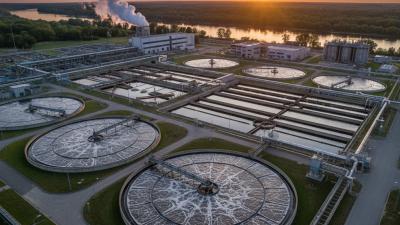
Top 10 Innovative Waste Water Treatment Plant Technologies You Should Know?
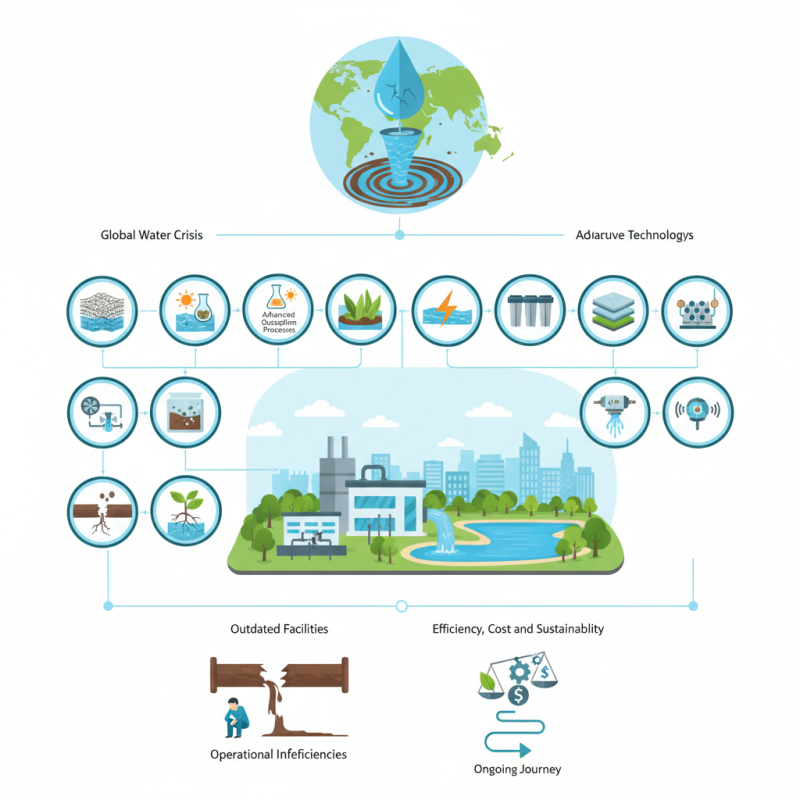
The growing global water crisis drives innovation in the waste water treatment plant sector. According to a recent report by the World Bank, effective waste water management can reduce water-related diseases by up to 25%. With over 80% of the world's wastewater discharged without treatment, the urgency for advanced technologies has never been greater.
Innovative solutions are emerging to address these challenges. Technologies such as membrane bioreactors and advanced oxidation processes are gaining traction in the industry. These methods not only improve water quality but also enhance resource recovery. However, many existing waste water treatment plants face operational inefficiencies. Upgrading outdated facilities remains a significant hurdle for many regions.
As we explore the top innovative technologies for waste water treatment plants, it is essential to recognize the complexities involved. Each solution comes with its benefits and challenges. The future of water treatment hinges on balancing efficiency, cost, and sustainability. The industry's journey is ongoing, requiring constant reflection and adaptation to meet evolving needs.
Innovative Membrane Bioreactor Systems for Waste Water Treatment
Membrane bioreactor (MBR) systems are at the forefront of wastewater treatment innovation. They combine biological treatment with microfiltration or ultrafiltration membranes. This approach significantly improves water quality by efficiently removing pollutants. Reports show that MBR systems can achieve a 90% reduction in suspended solids and over 99% in pathogens. Such efficiency is crucial as cities face growing wastewater challenges.
However, MBR technology isn't without its issues. Membrane fouling remains a significant hurdle. This process can lead to reduced efficiency and increased operational costs. A study found that membrane fouling can decrease system performance by 30%. Regular monitoring is necessary to mitigate these effects. Moreover, the initial capital investment can be substantial, raising questions about long-term feasibility for some facilities.
Despite these challenges, the adoption of MBR technology is rising. Insights indicate that the global MBR market could reach $10 billion by 2025. Sustainable practices and stringent regulations push industries to innovate. Enhanced MBR systems offer a path toward cleaner water and a healthier environment. Yet, continuous improvements are essential to address existing limitations.
Advanced Oxidation Processes in Modern Waste Water Treatment
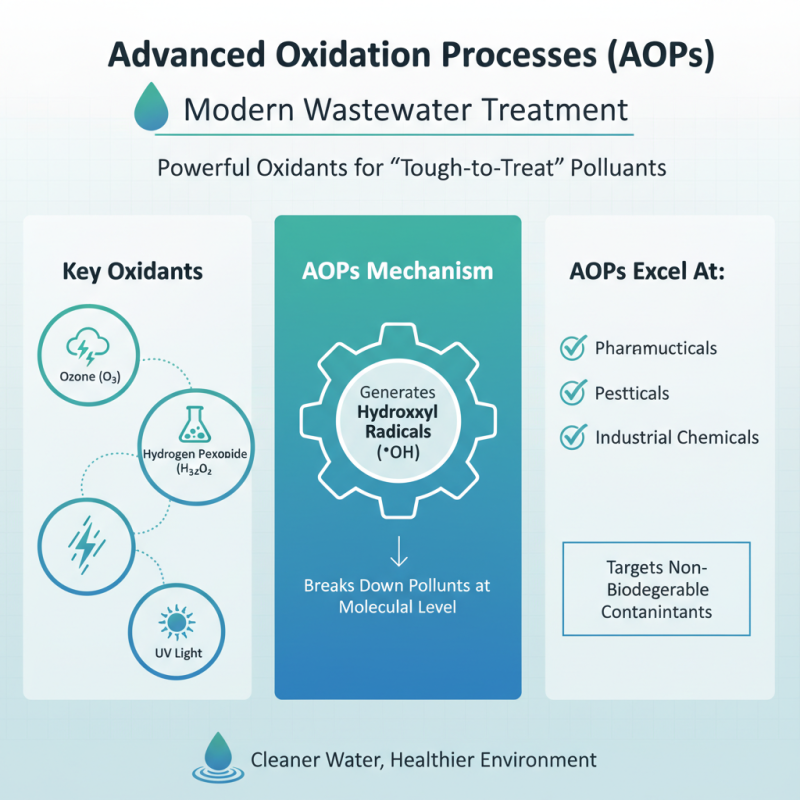
Advanced Oxidation Processes (AOPs) are gaining traction in modern wastewater treatment. These methods use powerful oxidants to break down pollutants. Typical oxidants include ozone, hydrogen peroxide, and ultraviolet light. AOPs excel at targeting contaminants that traditional methods struggle to address.
What sets AOPs apart is their efficiency. They can degrade organic compounds swiftly, even at low concentrations. This capability makes them vital for treating industrial wastewater. However, the complexity of AOP systems can be a challenge. These setups often require careful monitoring and control. Costs may also be higher than expected, which raises questions about practical applications.
Furthermore, the by-products of AOPs can sometimes be problematic. While AOPs reduce harmful substances, they may create other issues. These new substances could still pose risks if not managed properly. Continuous research is needed to optimize these processes. Balancing efficacy and safety remains a critical focus for future developments in this field.
Use of Artificial Intelligence in Waste Water Treatment Operations
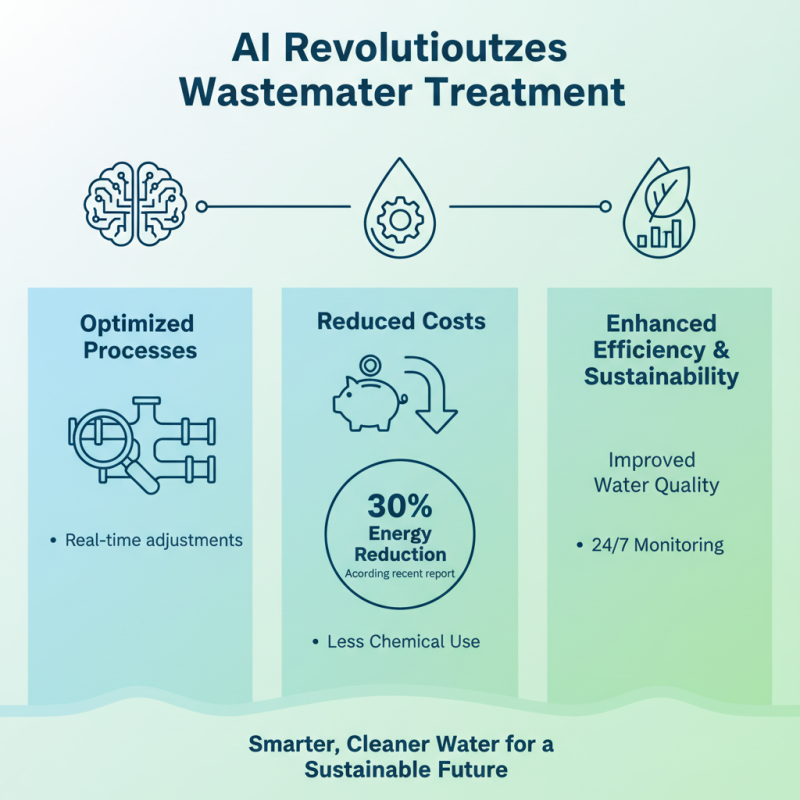
Artificial Intelligence (AI) is transforming waste water treatment operations. It optimizes processes, reduces costs, and enhances efficiency. According to a recent report, integrating AI in these systems can lead to a 30% decrease in energy consumption. This shift means that plants can operate more sustainably while improving water quality.
AI systems analyze real-time data. They detect anomalies faster than human operators. This swift response helps prevent costly breakdowns. For example, machine learning algorithms can predict equipment failures. These predictions allow for timely maintenance, minimizing downtime.
Tip: Regularly update your AI models to adapt to new data.
Despite these advantages, challenges remain. Data collection can be inconsistent. Moreover, AI requires significant initial investments. Many facilities lack the resources for such technology. They need to address these barriers to benefit fully from AI innovations.
Tip: Start with pilot projects to test AI applications.
AI also faces issues regarding staff training. Operators must understand how to interact with new systems. Investing in education is critical for a successful transition.
Tip: Encourage constant learning and adaptability in your team.
Emerging Anaerobic Digestion Technologies for Enhanced Waste Management
Anaerobic digestion is a powerful technology for waste management. It converts organic waste into biogas. This biogas can be used for energy or heat. In fact, recent reports suggest that anaerobic digestion can reduce landfill waste by 30-50%. This process serves as a crucial piece in managing food waste and agricultural byproducts.
Recent advances in anaerobic digestion technology enhance its efficiency significantly. New reactor designs increase the retention time of waste materials, leading to higher biogas yields. Employees must adapt to these changes. They may need training to optimize operation. The implementation of sensors also allows real-time monitoring. Data collected helps organizations tweak processes for better outcomes.
However, challenges remain. Many waste treatment facilities struggle with high operational costs. They must balance initial investments with long-term savings. Also, not all organic waste breaks down effectively. Digesters can be temperamental, often requiring specific conditions. This unpredictability can lead to volatile outputs. Facilities must remain vigilant and flexible in their approach to ensure consistent performance.
Bio-inspired Approaches in Sustainable Waste Water Treatment Solutions
Bio-inspired approaches in wastewater treatment are gaining traction. These methods mimic nature’s processes to enhance efficiency. For instance, wetlands treat wastewater naturally. They filter pollutants and recycle nutrients. This method reduces energy use. According to the Water Environment Federation, such systems can lower operational costs by up to 30%.
One innovative concept is bioremediation. Certain bacteria break down contaminants effectively. This method is both sustainable and cost-efficient. Research shows that using microbes can cut treatment times in half. However, reliance on living organisms raises concerns. What happens when conditions change? Biological systems can be unpredictable.
Tips: Consider integrating nature-inspired designs into treatment facilities. For example, constructed wetlands can be an aesthetic addition. They can provide habitats for local wildlife. Explore partnerships with research institutions. They can provide insights and innovation. Keep exploring new solutions, but stay mindful of the challenges.