What to Know About Refrigerator Compressors for Global Buyers?
Refrigerator Compressors are vital components in modern cooling systems. For global buyers, understanding their function and selection is crucial. A refrigerator compressor regulates refrigerant flow, impacting energy efficiency and cooling performance. The market offers various types, including reciprocating and scroll compressors, each with its unique benefits and challenges.
Choosing the right refrigerator compressor involves more than just price. Factors such as energy efficiency ratings, noise levels, and manufacturer reputation play significant roles. Buyers must also consider the compressor's compatibility with specific refrigerator models. Researching reliable suppliers and verifying product specifications is essential for making informed decisions.
Many buyers face challenges, such as fluctuating prices and supply chain issues. The complexity of compressor technology can be daunting. Thus, seeking expert guidance becomes important. It can help mitigate risks and enhance overall satisfaction with the purchase. Understanding the nuances of refrigerator compressors leads to better choices.
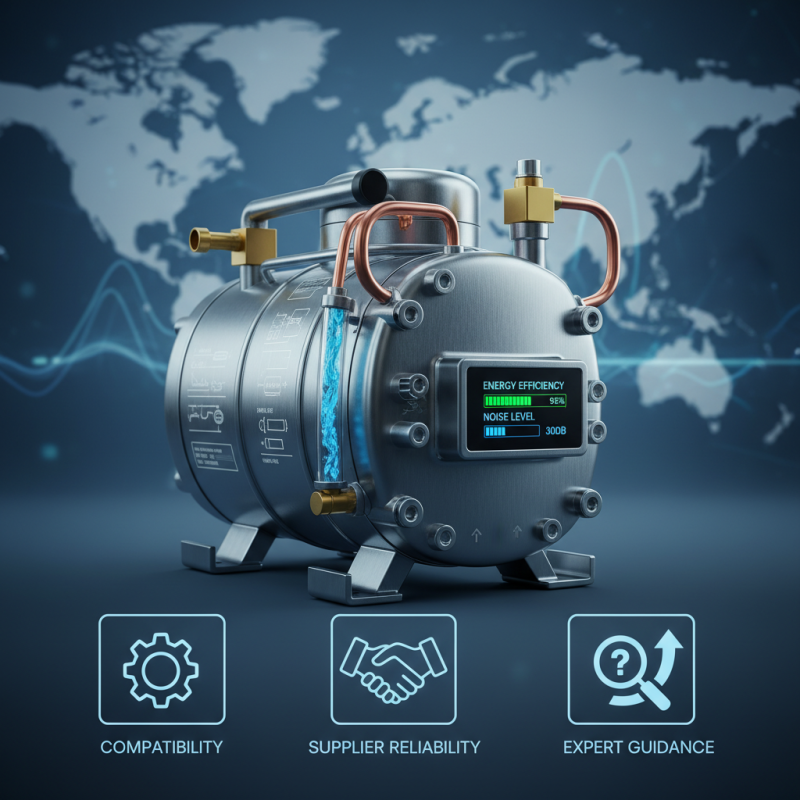
Understanding the Role of Compressors in Refrigerator Efficiency
Refrigerator compressors play a crucial role in determining overall efficiency. They are the heart of the cooling system. The efficiency of a compressor impacts energy consumption significantly. According to a 2022 report from the International Institute of Refrigeration, efficient compressors can reduce energy usage by up to 30%.
It's important to know that not all compressors are created equal. Various designs exist, including reciprocating, scroll, and rotary types. Each serves different refrigeration needs. A well-chosen compressor can optimize cooling and minimize costs.
In practice, global buyers should consider both capacity and efficiency ratings when selecting compressors. For instance, a 2021 study from the U.S. Department of Energy indicated that improper sizing can lead to increased energy expense. Under-sizing a compressor may strain it, while over-sizing can cause unnecessary energy consumption. These factors highlight the need for careful analysis and selection in order to achieve optimal refrigeration performance.
Types of Refrigerator Compressors: Pros and Cons for Buyers
When considering refrigerator compressors, understanding the types is crucial. The three main types are reciprocating, rotary, and scroll compressors. Each has distinct advantages and disadvantages for different applications.
Reciprocating compressors are common. They are known for their cooling efficiency and performance. Studies show they can deliver about 20% higher cooling capacity compared to rotary types. However, they tend to be noisier, which might be a downside for some buyers. On the other end, rotary compressors are quieter and smaller, making them suitable for compact spaces. Yet, they may not provide the same level of cooling performance in larger refrigerators.
Scroll compressors have gained popularity. They are praised for their energy efficiency and reliability. Reports indicate they can consume up to 30% less energy than reciprocating compressors. However, they are often more expensive to manufacture, which might influence buyer decisions. Evaluating these pros and cons helps buyers make informed choices in the refrigeration market.
Key Specifications to Consider When Purchasing Compressors
When considering refrigerator compressors, key specifications play a vital role in making an informed purchase. Energy efficiency is critical. The global market shows that energy-efficient compressors can reduce operational costs by up to 30%. Look for models with high Energy Efficiency Ratio (EER) ratings. This will ensure lower energy consumption without compromising performance.
Another important aspect is the cooling performance. Different types of compressors, such as reciprocating and scroll compressors, offer various cooling capacities. Data indicates that scroll compressors provide quieter operation and require less maintenance. However, they may not always match the cooling range of reciprocating types. It's essential to assess the intended use and required cooling performance when choosing.
Additionally, consider the refrigerant type used in the compressor. With the ongoing focus on environmental sustainability, opting for compressors compatible with eco-friendly refrigerants, such as R-290, holds increasing significance. Reports suggest that these alternatives can cut greenhouse gas emissions significantly, aligning with global efforts to combat climate change. Understanding these key specifications allows for a better alignment with both functional needs and environmental responsibilities in the purchasing process.
Global Market Trends: Demand for Energy-Efficient Compressors
The global demand for energy-efficient refrigerator compressors is on the rise. As more consumers prioritize sustainability, manufacturers are adapting to these preferences. Today’s buyers look for systems that reduce energy consumption. This shift is essential in minimizing environmental footprints while maintaining performance.
Energy-efficient compressors not only save electricity but also enhance cooling efficiency. These technologies help lower utility bills for consumers. Despite the apparent benefits, many people remain unaware of the full impact of using energy-efficient models. There’s still a gap in understanding how these compressors work and their advantages. Education and awareness are vital in bridging this gap.
As manufacturers innovate, challenges arise in balancing performance and energy savings. Not all energy-efficient models perform equally well. Buyers must carefully evaluate specifications to ensure they meet their needs. It is not just about buying a compressor; it’s about choosing the right one. Industry experts emphasize the importance of thorough research and consideration in this evolving marketplace.
Impact of Compressor Technology on Refrigeration Performance
Refrigerator compressors play a crucial role in enhancing refrigeration performance. Understanding their technology can significantly impact efficiency. Advanced compressor types, such as inverter and scroll compressors, are gaining popularity. According to industry reports, these technologies can improve energy efficiency by up to 30%. This efficiency not only reduces operating costs but also lowers carbon footprints.
Efficiency varies by application and climate. For instance, in warmer climates, energy-saving benefits become even more pronounced. A study shows that models with variable speed compressors maintain a more consistent temperature. This reduces energy spikes and improves food preservation. However, these systems may have higher upfront costs, which can be a barrier for some buyers.
It's essential to consider the long-term advantages of investing in advanced compressor technology. Consumer awareness is increasing, yet there's still confusion regarding technology choices. Reports indicate that up to 50% of global buyers prioritize initial cost over efficiency. This short-sightedness can lead to increased energy bills over time. More education in the market is needed to guide buyers towards sustainable choices.