2026 How to Optimize the Wastewater Treatment Process Effectively?
The importance of optimizing the wastewater treatment process cannot be overstated. According to the Environmental Protection Agency, nearly 90% of the U.S. rivers and lakes are affected by pollution. Effective treatment helps protect ecosystems and public health. Many facilities still struggle with outdated methods that can lead to inefficiencies.
Dr. Sarah Thompson, a leading expert in wastewater management, emphasizes, "We must continuously innovate to tackle the growing challenges in our wastewater treatment process." This statement highlights the urgent need for advancements in technology and methods. As global water scarcity intensifies, effective wastewater treatment is key to sustainability.
Moreover, the growing population further increases the demand for efficient treatment solutions. The World Health Organization projects a 30% rise in wastewater production by 2030. This situation demands immediate action and reflection on current practices. There are gaps in performance and opportunities for improvement. Identifying these will pave the way for a better future in managing our most precious resource: water.
Understanding the Basics of Wastewater Treatment: Key Processes and Technologies
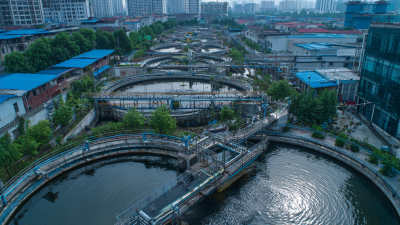
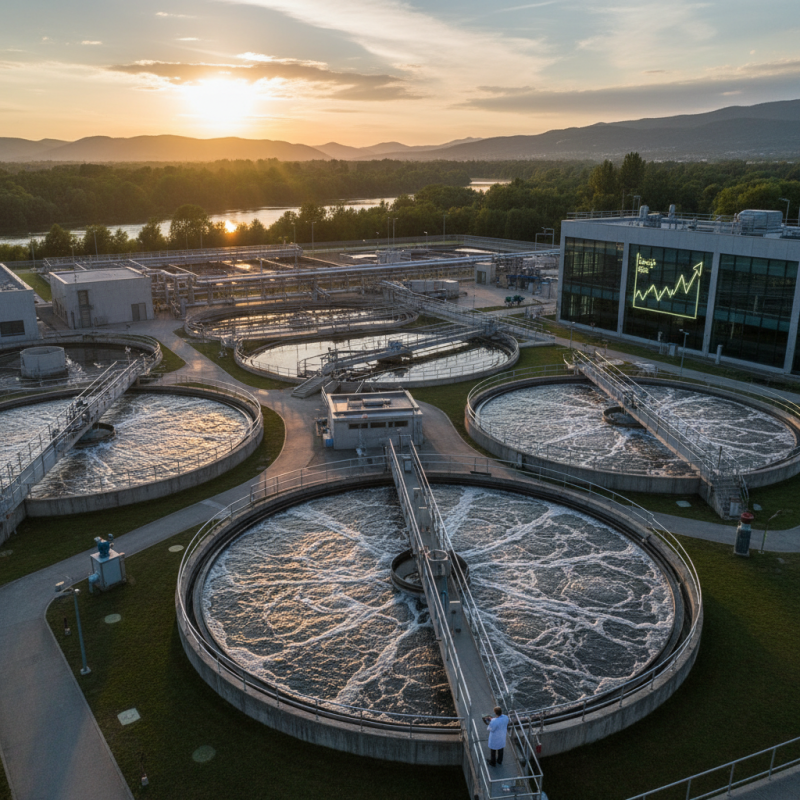
Wastewater treatment is a vital process in managing used water from households and industries. Understanding the key processes and technologies can help optimize this crucial approach. One main process is physical treatment, which involves removing large solids and debris from wastewater. This step is essential in preventing damage to equipment down the line.
Biological treatment follows, where microorganisms break down organic matter. This process can be highly effective, but it requires careful monitoring. Factors like temperature and pH can influence the efficiency of these organisms. Sometimes, this biological stage does not perform as expected, which prompts a need for further adjustments. Advanced chemical processes, like coagulation and disinfection, are also used. They help eliminate pathogens but can produce unwanted by-products.
Technologies such as membrane filtration and anaerobic digestion are gaining traction. They offer more efficient ways of treating wastewater. However, these technologies often come with high initial costs and maintenance issues. Regular evaluation is crucial to ensure these systems work optimally. Awareness of costs and environmental impacts must drive technology selection in wastewater treatment.
2026 Wastewater Treatment Process Optimization
Current Trends in Wastewater Treatment Efficiency: Statistical Insights from 2023
The efficiency of wastewater treatment is a pressing issue. Statistics from 2023 reveal significant trends. Many facilities are adopting advanced technologies, yet challenges remain. Current methods often focus on chemical treatments, which can be expensive. Still, the rise of biological processes offers a more sustainable alternative.
Emerging data suggests that only a fraction of plants fully utilize these advanced techniques. Some regions lag behind, struggling with outdated processes. Meanwhile, innovations like membrane filtration are gaining traction, but not universally adopted. There is still a reliance on old systems, creating inefficiencies.
Moreover, monitoring and data analysis are crucial. Real-time data can optimize operations, yet issues with integration persist. Facilities often face hurdles in upgrading technology. Without proper investment, it's hard to achieve significant improvements. Not every plant embraces change, reflecting a broader hesitation in the sector. Enhancing wastewater treatment will require ongoing efforts and a commitment to innovation.
Innovative Technologies for Enhancing Wastewater Treatment Performance
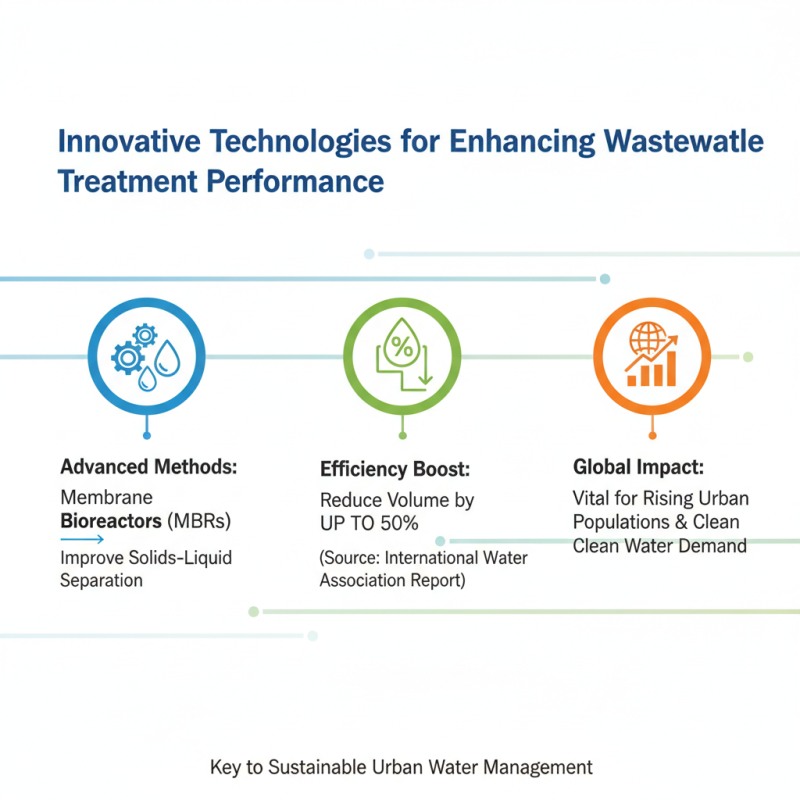
Innovative technologies play a crucial role in improving wastewater treatment processes. Advanced methods like membrane bioreactors (MBRs) enhance the separation of solids and liquids. According to a report by the International Water Association, MBRs can reduce overall wastewater treatment volume by up to 50%. This efficiency is vital as global urban populations rise, increasing the demand for effective treatment solutions.
Another emerging technology is the use of biofiltration systems. These systems utilize natural processes to remove contaminants. Research indicates they can achieve over 90% removal rates for certain pollutants. However, they may require extensive monitoring. There is still uncertainty about their long-term reliability.
Furthermore, artificial intelligence (AI) offers promise in wastewater management. AI can predict peak loads and optimize chemical dosing. A study showed AI could improve operational efficiency by 30%. Yet, there are challenges. Integrating AI requires significant investment and training. Many facilities struggle with data-sharing issues, limiting full implementation of these technologies. This highlights the need for continuous reflection on our practices and an openness to adapt.
Data-Driven Approaches for Monitoring and Optimizing Treatment Processes
Monitoring and optimizing wastewater treatment processes can significantly enhance efficiency. Data-driven approaches play a crucial role in achieving this goal. By utilizing sensors and analytical tools, facilities can gather real-time data. This data helps identify areas needing improvement. For example, tracking pH levels can show when adjustments are necessary.
Data analytics can also optimize operational decisions. Learning from historical data reveals trends that can inform future actions. Machine learning algorithms may predict maintenance needs, reducing downtime. However, relying solely on technology is not enough. Human insight remains essential. Teams must continually assess data and refine processes.
Incorporating a feedback loop is vital. Using dashboards, operators can visualize treatment performance at a glance. Yet, there is a risk of over-relying on numbers. Intuition and experience still have value. Continuous improvement requires both data analysis and human judgment. Embracing this balance can lead to more efficient wastewater treatment solutions.
Case Studies: Successful Optimizations in Wastewater Treatment Facilities
Optimizing wastewater treatment is crucial for sustainability. Many facilities have adopted innovative techniques to enhance their processes. A notable case is a treatment plant that integrated real-time data monitoring. This approach improved efficiency and reduced operational costs significantly. Operators could detect issues quickly and respond promptly.
Tips for optimization: consider using advanced sensors. They help monitor water quality constantly. This allows for immediate adjustments based on variations in incoming wastewater. Additionally, training staff on the latest technologies is essential. A well-informed team can identify potential bottlenecks.
Another case study involved aeration system upgrades. The facility replaced outdated equipment with energy-efficient models. This change not only minimized energy consumption but also improved treatment performance. However, it’s important to ensure new systems align with existing processes. In some instances, unexpected challenges arose during implementation. Regular reviews help to identify what works and what doesn’t.