2026 How to Optimize Wastewater Treatment Process for Efficiency?
The efficiency of the wastewater treatment process is crucial for sustainable water management. As urbanization increases, the demand for effective treatment solutions grows. Contaminants in wastewater can pose significant risks to health and the environment.
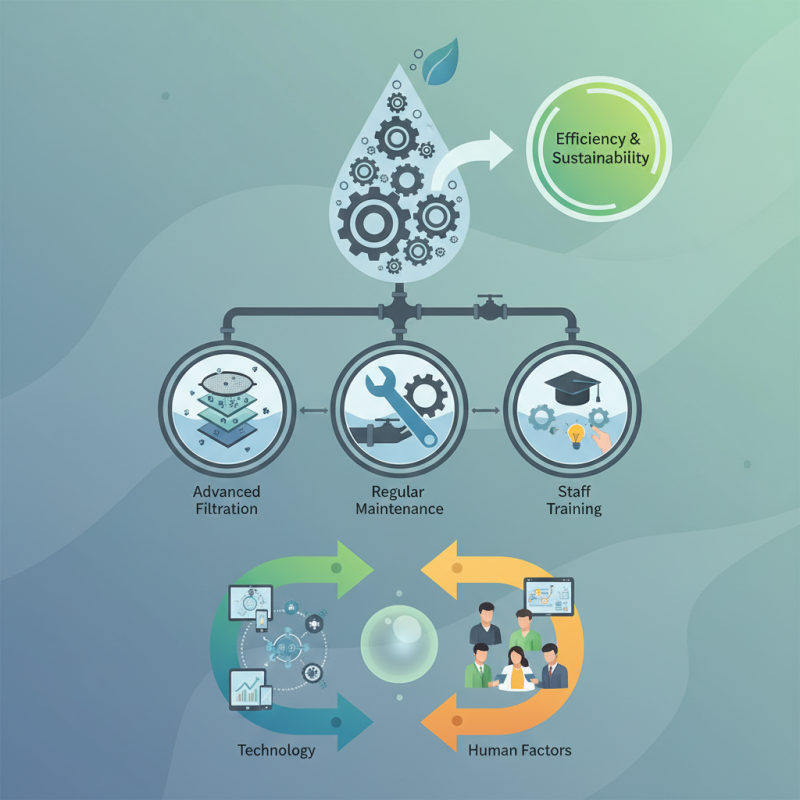
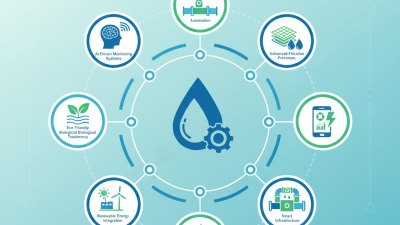
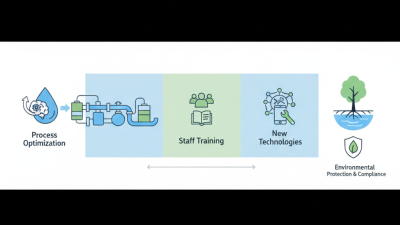
To optimize the wastewater treatment process, various strategies can be implemented. Advanced filtration techniques, for example, enhance the removal of toxins. Regular maintenance and monitoring of equipment are essential as well. Poorly maintained systems often lead to inefficiencies and increased costs.
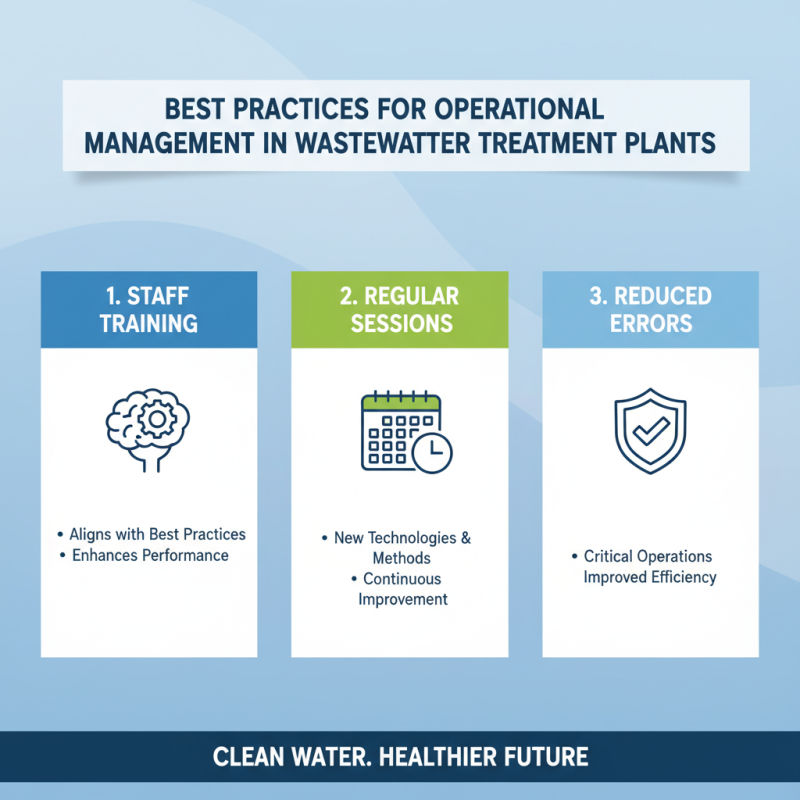
Investing in staff training can improve operations significantly. Knowledgeable personnel can identify issues early and implement corrective measures. However, not every organization prioritizes training, which can result in oversights. Efficiency in the wastewater treatment process is not just about technology; human factors play a vital role.
Overview of Wastewater Treatment Processes and Their Importance
Wastewater treatment is essential for protecting public health and the environment. It helps remove harmful contaminants from water before it re-enters ecosystems. Various treatment processes exist, each playing a role in this critical procedure. Primary treatment focuses on physical removal of solids, while secondary treatment involves biological processes. Tertiary treatment further polishes the water, making it safe for discharge or reuse.
Different methods can improve efficiency in these processes. For instance, optimizing aeration in biological treatment can significantly enhance microbial activity. However, there may be challenges. Balancing the energy costs with the desired treatment outcomes requires careful consideration. Not all facilities have the same capacity, leading to variations in efficiency.
Additionally, monitoring and data analysis play pivotal roles in refining treatment processes. Operators must stay ahead of potential issues, such as fluctuating influent qualities. Regular training for staff is necessary to address these challenges. Innovations in technology can support this, yet they demand investment and expertise. The wastewater treatment landscape continually evolves, and stakeholders must adapt.
Identifying Key Efficiency Metrics in Wastewater Treatment Operations
In optimizing wastewater treatment, understanding key efficiency metrics is essential. These metrics offer insight into operational performance. Common measures include energy consumption, nutrient removal rates, and sludge production. Monitoring these parameters helps identify areas needing improvement. Consistency in data collection enhances reliability. In practice, these metrics often reveal surprising inefficiencies that require immediate attention.
Energy usage is a critical focus. High energy costs can signify equipment inefficiencies or outdated technology. Reducing energy consumption may involve upgrading aeration systems or fine-tuning pumps. Additionally, evaluating nutrient removal rates is crucial. Facilities often struggle with maintaining optimal chemical dosing and biological processes. Regular audits can help pinpoint anomalies in treatment performance.
Sludge management is another vital area. Facilities may produce more sludge than necessary, leading to increased disposal costs. Streamlining the dewatering process can mitigate this issue. Continuous improvement fosters an environment of innovation. Operational staff play a key role in identifying obstacles. Having an open feedback loop encourages transparency and drives efficiency within the system.
2026 How to Optimize Wastewater Treatment Process for Efficiency? - Identifying Key Efficiency Metrics in Wastewater Treatment Operations
| Metric Name |
Description |
Target Value |
Current Value |
Efficiency (%) |
| Energy Consumption |
Total energy used per m³ of wastewater treated |
0.5 kWh/m³ |
0.55 kWh/m³ |
90.91% |
| Chemical Usage |
Amount of chemicals used per m³ of wastewater treated |
10 mg/L |
12 mg/L |
83.33% |
| Sludge Disposal |
Mass of sludge generated per m³ of wastewater treated |
50 g/m³ |
60 g/m³ |
83.33% |
| Treatment Time |
Average time taken to treat wastewater |
4 hours |
5 hours |
80% |
| Final Effluent Quality |
Measured as Total Suspended Solids (TSS) |
10 mg/L |
15 mg/L |
66.67% |
Innovative Technologies for Enhancing Wastewater Treatment Efficiency
Innovative technologies play a vital role in enhancing wastewater treatment efficiency. One promising approach is membrane bioreactor (MBR) technology. This method combines biological treatment and membrane filtration. MBR systems can produce high-quality effluent while reducing the footprint of treatment plants. However, challenges remain. Membrane fouling can reduce system efficiency and increase operational costs.
Another technology gaining attention is advanced oxidation processes (AOPs). AOPs use powerful oxidants to break down pollutants. These processes can handle complex wastewater streams effectively. Yet, they often require precise control and monitoring systems. Ensuring optimal reaction conditions is key to making AOPs practical.
Incorporating smart sensors into wastewater treatment is another step forward. These sensors can monitor various parameters in real-time. Data-driven strategies can then optimize operations. While this approach improves responsiveness, it also raises concerns about data security and system complexity. Balancing innovation and reliability remains a crucial task for wastewater treatment professionals.
Continuous Monitoring and Data Analysis for Process Optimization
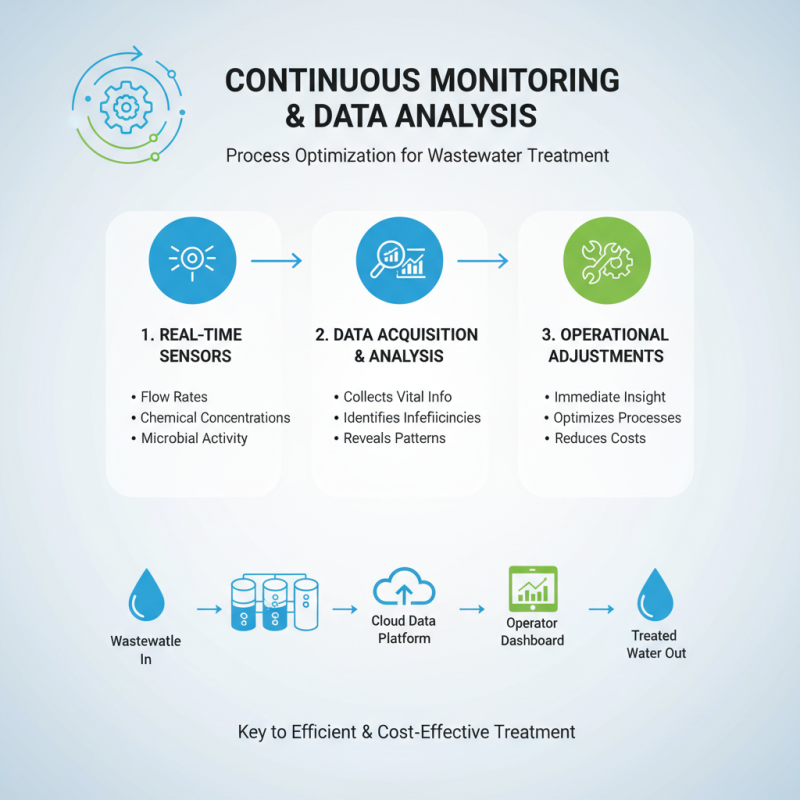
Continuous monitoring and data analysis are critical in optimizing wastewater treatment processes. Real-time data allows operators to identify inefficiencies quickly. Sensors placed throughout the treatment system provide vital information. Monitoring parameters like flow rates, chemical concentrations, and microbial activity can reveal patterns. This immediate insight helps in adjusting processes on-the-fly.
Utilizing advanced analytics tools can deepen understanding. Data visualization can highlight trends that may not be obvious at first glance. Operators can analyze performance over time. However, relying solely on technology without human intuition may lead to oversight. Trained professionals need to interpret data effectively. They can adapt strategies based on the context of findings.
Integrating machine learning can enhance predictions of system performance. Predictive analytics offers a proactive approach. By anticipating failures or inefficiencies, action can be taken before problems escalate. Yet, data quality is crucial. Inconsistent or inaccurate data could result in misguided decisions. Regular calibration of sensors and validation of data sources is necessary. This ensures reliability and supports continuous improvement in wastewater treatment operations.