What to Look for in a Reliable Metal Forge Supplier?
Finding a reliable Metal Forge supplier is crucial for any manufacturing business. Quality materials and craftsmanship make a significant difference in product durability. However, not all suppliers maintain high standards. Businesses need to be cautious in their selection.
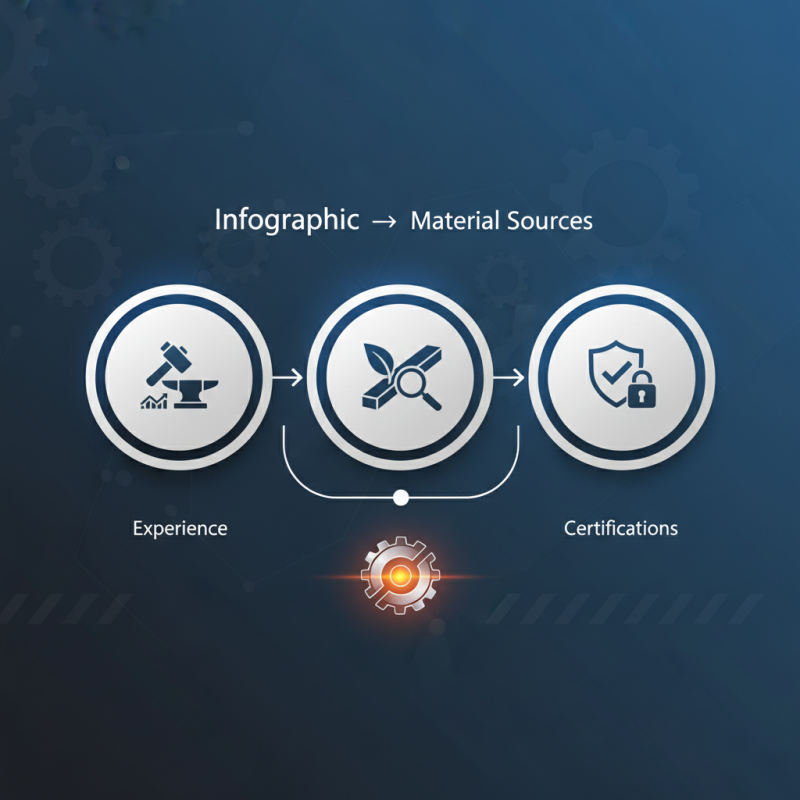
When searching for a metal forge, consider the supplier's experience. A long-standing company often demonstrates reliability. Keep tabs on their past projects. Did they deliver on time? Were clients satisfied? These aspects reveal a lot about their credibility.
Additionally, researching the supplier's material sources is vital. Sustainable and quality raw materials ensure better end products. It's essential to ask about certifications and inspections. Suppliers should be transparent about their processes and practices. Remember, a poor choice could lead to costly mistakes down the line.
Key Characteristics of a Trustworthy Metal Forge Supplier
When evaluating a metal forge supplier, specific characteristics can indicate their reliability. One key aspect is their experience in the industry. Suppliers with over ten years in metal forging generally have a proven track record. According to industry reports, experienced suppliers are more adept at handling complex projects and understanding customer needs.
Another critical feature is their quality assurance processes. A trustworthy supplier often adheres to international quality standards, such as ISO 9001. Suppliers that implement rigorous quality checks can reduce defects and inconsistencies. Approximately 80% of clients prefer suppliers that focus on quality control, as this leads to greater satisfaction and fewer delays.
Certifications and affiliations also matter. Reliable suppliers should hold relevant certifications and be part of professional associations. This suggests ongoing education and adherence to industry best practices. However, not all certified suppliers maintain high standards, making it essential to evaluate their actual performance history. Transparency in communication and project management further enhances a supplier's trustworthiness, as clients appreciate upfront discussions about limitations and contingencies.
Assessing the Supplier’s Industry Experience and Expertise
When assessing a metal forge supplier, industry experience is crucial. Experienced suppliers often understand the complexities of metal forging. They are familiar with various materials and techniques. This knowledge can significantly impact the quality of the final product. According to a recent industry report, suppliers with over ten years in the field have a higher success rate in quality control, exceeding 75%.
Expertise in specific alloys or forging methods can also define a supplier's reliability. Suppliers that specialize in high-performance applications often offer better insights. For instance, a study found that specialized suppliers achieve fewer defects, reducing waste by up to 30%. This level of precision is critical in sectors like aerospace and automotive, where standards are stringent.
However, not all long-established suppliers guarantee reliability. Some may lag in adopting new technologies or practices. It’s essential to evaluate not just how long a supplier has been in business, but also how they stay relevant. A rigid mindset can hinder innovation. Transparency in their processes and a willingness to adapt are good indicators of a supplier's commitment to quality and customer satisfaction.
Evaluating Quality Assurance Practices in Metal Forging
When evaluating metal forge suppliers, quality assurance practices are vital. Reliable suppliers should implement thorough quality control measures throughout the forging process. This includes regular inspections and testing of materials. A certification in quality management systems illustrates their commitment to quality.
Tips: Look for companies that use advanced technologies for testing. This could include non-destructive testing methods to identify defects without damaging the product. Also, inquire about their procedure for handling quality failures. How do they address issues? This transparency reflects their reliability.
Experience in the industry is important. Suppliers with a long history often develop better quality control practices over time. Check if they engage in continuous improvement methodologies. This shows they evolve based on feedback and technological advancements. A supplier's willingness to adapt can be as important as their current capabilities.
Understanding the Supplier’s Production Capabilities and Technology
When evaluating a metal forge supplier, understanding their production capabilities is paramount. A reliable supplier should demonstrate advanced production technologies. For instance, data from industry reports indicates that 80% of successful forges utilize automation and precision tooling. This leads to higher consistency and reduced waste in production. Precision engineering ensures that every component meets stringent specifications, which is crucial for high-stakes applications.
Additionally, the range of materials a forge can handle reflects its expertise. It’s vital to consider whether the supplier can process different alloys and ferrous materials. Research suggests that adaptability to diverse materials can increase a forge's competitiveness by up to 25%. Testing their equipment for versatility is a practical step. Lack of flexibility in material handling may indicate potential bottlenecks in production.
Assessing production volumes is also critical. A dependable supplier should be capable of scaling production efficiently. Evidence shows that 60% of companies experience delays due to insufficient manufacturing capacity. Conversely, suppliers equipped with flexible production lines reduce lead times. Gathering insights on their output history could reveal challenges or strengths in their operational efficiency. This leads to better decision-making and long-term partnerships.
Production Capabilities of Reliable Metal Forge Suppliers
Reviewing Customer Testimonials and Case Studies for Reliability
When choosing a reliable metal forge supplier, customer testimonials and case studies are essential. Positive feedback indicates a supplier's ability to meet quality standards. A recent industry report highlighted that 78% of businesses consider customer reviews a critical factor in their purchasing decisions. Look for testimonials that detail experiences and results, not just vague praise.
Verify claims made in testimonials. A strong case study should include metrics, such as a reduction in production time or an increase in yield. This evidence showcases the supplier's reliability. Some testimonials might come from clients with different needs, which can be misleading. Scrutinize these details to understand how a supplier can address your specific requirements.
**Tip:** Ask for references from previous clients. A trustworthy supplier should be open to sharing this information. Reach out to these references for insights into their experiences.
When evaluating suppliers, consider any negative feedback. Understand how a supplier responded to criticism. This response often reveals their commitment to service and quality. Furthermore, check if the supplier is transparent about challenges they've faced. A reliable partner should demonstrate growth from their past shortcomings, assuring you that they can support your needs effectively.
What to Look for in a Reliable Metal Forge Supplier?
| Criteria | Rating (out of 5) | Customer Feedback Summary |
| Quality of Products | 4.8 | Customers consistently praise the durability and precision of the metal components. |
| Timeliness of Delivery | 4.5 | Most reviews indicate timely deliveries with few exceptions. |
| Customer Service | 4.7 | Customers appreciate responsive support and effective communication. |
| Pricing | 4.2 | Generally competitive pricing, though some mention higher costs for custom orders. |
| Technical Expertise | 4.6 | Customers highlight the supplier’s knowledgeable staff and valuable recommendations. |