What is the Role of Precision Brass Parts Manufacturers in Supply Chains?
The role of Precision Brass Parts Manufacturers in supply chains is vital. They provide essential components for various industries, ensuring the smooth operation of machinery and products. These manufacturers contribute to quality, efficiency, and reliability within the supply chain. Their expertise in producing high-precision components makes them indispensable.
Precision Brass Parts Manufacturers face unique challenges. Market demands are ever-changing, requiring agility and innovation. They must balance quality with cost-effectiveness, which can create tension in production. It is crucial for these manufacturers to adapt quickly to avoid disruptions. Their ability to meet client specifications directly impacts overall supply chain performance.
Despite their expertise, not all manufacturers meet the highest standards consistently. Quality control processes can occasionally falter. This lack of consistency can lead to delays or defects, affecting downstream partners. Reflection on these issues is essential for manufacturers to improve their practices and maintain supply chain integrity.
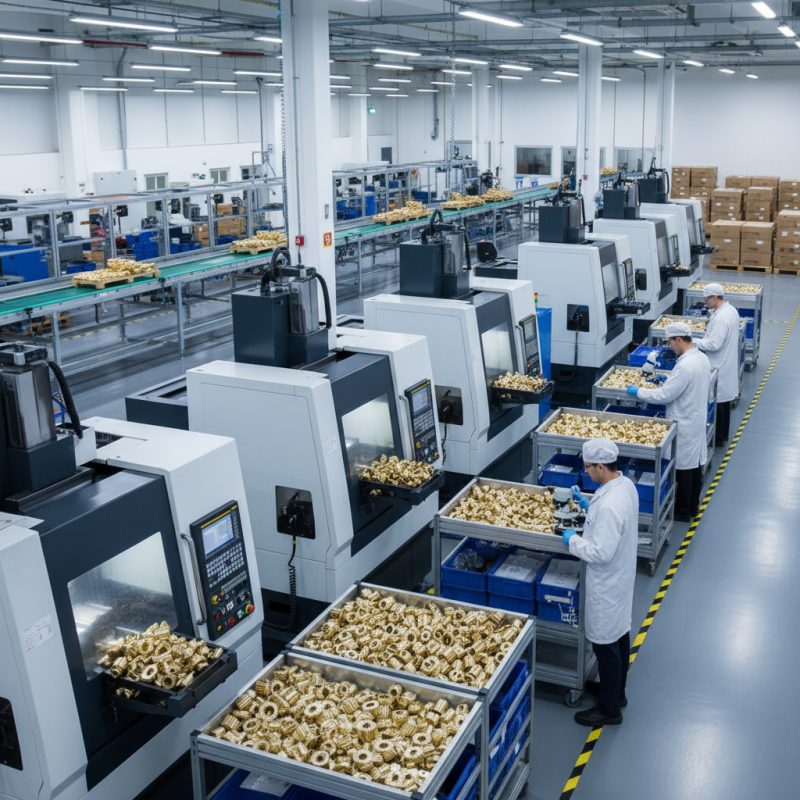
Understanding Precision Brass Parts in Modern Manufacturing
Precision brass parts play a critical role in modern manufacturing. These components are essential for industries that require durability and high resistance to corrosion. They find applications in various sectors, including electronics, automotive, and plumbing. The characteristic malleability of brass allows manufacturers to create intricate shapes and designs.
Manufacturers of precision brass parts face numerous challenges. They must balance quality, cost, and efficiency. With increasing demand for customized solutions, staying flexible is crucial. This can lead to unexpected delays or quality issues. Moreover, sourcing high-quality raw materials is an ongoing concern. Ensuring that every component meets industry standards is vital to maintaining trust.
The importance of precision in these components cannot be overstated. Small discrepancies can result in significant malfunctions. Even a minor flaw can compromise an entire system. Manufacturers must continuously refine processes and invest in advanced technology. This can be a daunting task, but it is essential for sustaining competitive advantage.
The Role of Precision Brass Parts Manufacturers in Supply Chains
The Role of Manufacturers in Enhancing Supply Chain Efficiency
Precision brass parts manufacturers are integral to enhancing supply chain efficiency. Recent industry reports indicate that manufacturers directly influence lead times and quality control. Studies show that 65% of supply chain disruptions arise from delays in component sourcing. In this context, precision brass components ensure that the production line remains uninterrupted.
These manufacturers utilize advanced technology and automated processes. Automation can reduce manufacturing errors by up to 30%. Additionally, the capability to customize parts according to specific needs leads to a decrease in wastage. This attention to detail strengthens the entire supply chain, improving relationships between producers and suppliers.
However, challenges persist. Dependencies on suppliers can create vulnerabilities. A survey highlights that 40% of companies struggle with supplier reliability. Ensuring that manufacturers maintain consistent quality and timely deliveries is crucial. Continuous improvement and adaptability are key, as the market demands change rapidly and unpredictably.
Key Components of Precision Brass Parts Production
Precision brass parts play a critical role in various industries, including automotive, aerospace, and electronics. The production of these parts requires a blend of engineering expertise and advanced manufacturing techniques. Key components include material selection, machining, and quality control. Each step is vital to ensure the final product meets industry standards.
Material selection is crucial. Brass is chosen for its durability and corrosion resistance. Different alloys provide distinct properties that can influence performance. Machining processes, such as CNC turning and milling, shape the parts. Highly skilled operators use precision tools to achieve tight tolerances. This process can often reveal areas for improvement, where achieving the desired specifications may be challenging.
Tips: Regularly assess your machining capabilities. Training staff can enhance quality and efficiency. Ensure that your machinery is regularly maintained to avoid errors, which can lead to discrepancies. Quality control involves rigorous testing. Using advanced inspection techniques can help identify defects early. Manufacturers should invest in reliable systems to ensure consistent production quality.
Challenges Faced by Brass Parts Manufacturers in Supply Chains
Brass parts manufacturers face numerous challenges in today's supply chains. One major issue is the fluctuation in raw material prices. As global demand shifts, prices for brass can rise or fall dramatically, impacting production budgets. This unpredictability complicates planning and can lead to significant financial strain.
Another challenge is maintaining consistent quality. Manufacturers must adhere to precise specifications. Variations in raw materials can result in defects. Such defects may lead to delays and increased costs, affecting supplier relationships. To mitigate this, manufacturers need to implement stringent quality control measures. However, these measures can be resource-intensive and require ongoing training for staff.
Logistical hurdles also play a crucial role. Transportation delays can disrupt the flow of materials. These disruptions are often exacerbated by external factors like geopolitical tensions or natural disasters. Manufacturers must develop contingency plans to counteract these risks and ensure timely deliveries. Flexibility and innovation in the supply chain can help navigate these complexities, though they require investment and strategic foresight.
Future Trends in Precision Brass Parts Manufacturing and Supply Chains
The landscape of precision brass parts manufacturing is rapidly evolving. Companies are increasingly adopting digital technologies. Automation in production is becoming commonplace. This shift leads to higher efficiency and better quality control. However, it also raises concerns about job displacement and skills gaps in the workforce.
Sustainability is another crucial trend shaping the future. Manufacturers are pressured to minimize their environmental impact. This often involves innovative recycling processes and energy-efficient machinery. Yet, challenges remain. The costs associated with implementing these changes can be high, especially for smaller manufacturers. They must balance profitability and sustainability, which is not always straightforward.
Furthermore, supply chain resilience is critical. Recent disruptions have highlighted vulnerabilities in global supply chains. Precision brass parts manufacturers are exploring local sourcing strategies. This aims to reduce dependence on overseas suppliers. However, the transition to localized supply chains can be complex. It requires careful planning and investment in new relationships and infrastructure.
What is the Role of Precision Brass Parts Manufacturers in Supply Chains? - Future Trends in Precision Brass Parts Manufacturing and Supply Chains
| Dimension | Current Trend | Future Projection | Impact on Supply Chains |
| Technological Advancement | Increased automation and robotics | Greater efficiency and reduced costs | Streamlined production and reduced lead times |
| Sustainability Practices | Focus on eco-friendly materials | Increased use of recycled materials | Improved brand reputation and customer loyalty |
| Global Sourcing | Diversification of suppliers | Resilience against disruptions | Greater flexibility in supply chain management |
| Customization and Flexibility | Increased demand for tailored solutions | Rise in bespoke manufacturing services | Enhanced customer satisfaction and retention |
| Data Analytics | Utilization of big data for decision-making | Predictive analytics for demand forecasting | Improved inventory management and cost reductions |