What is a Screw Pump and How Does It Work?
Screw pumps are fascinating devices used in various industries. They offer efficient and reliable fluid transfer. These pumps use a rotating screw mechanism to move liquids. Unlike traditional pumps, screw pumps can handle viscous fluids easily.
In many applications, screw pumps outperform gear pumps and diaphragm pumps. They create a constant flow, making them ideal for sensitive processes. However, not every screw pump design is perfect. Some users face challenges with wear and maintenance, which can affect performance. Regular inspection is vital for ensuring longevity.
Understanding how screw pumps work can enhance their effectiveness in specific scenarios. Awareness of potential drawbacks fosters better decision-making. Ultimately, screw pumps are invaluable tools that require thoughtful use and regular care.
What is a Screw Pump: Definition and Overview
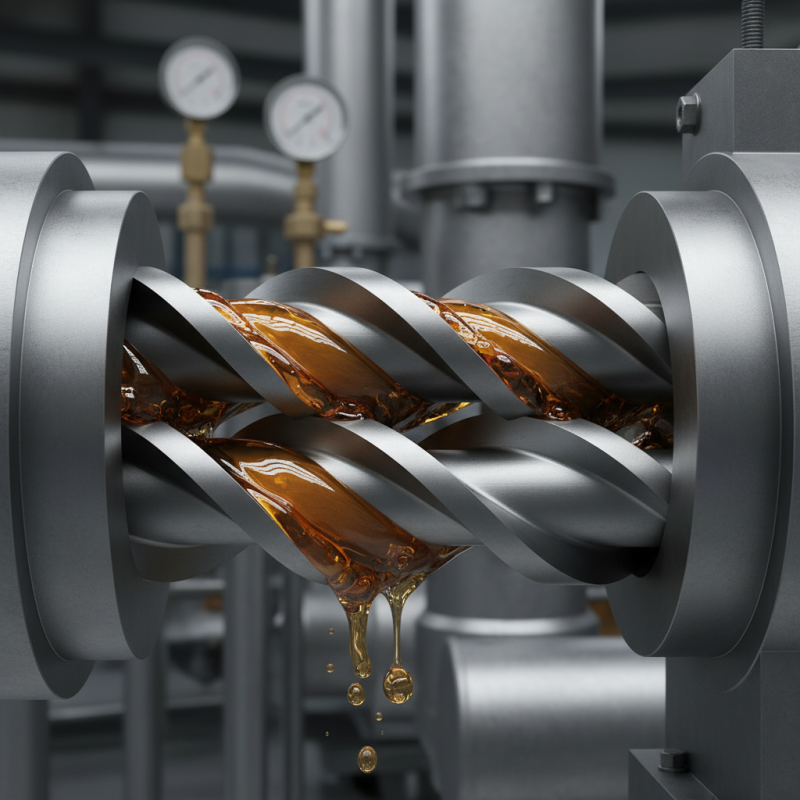
A screw pump is a positive displacement pump that uses one or more screws to move fluids. It consists mainly of a rotating screw(s) and a casing. As the screw turns, it creates a vacuum, pulling fluid into the chamber. The helical shape of the screw helps to transport the fluid steadily. This design allows for efficient movement of a variety of fluids, including viscous ones.
Different applications benefit from screw pumps. They are used in industries like oil and gas, food processing, and wastewater treatment. Their ability to handle thick liquids makes them valuable. However, not all screw pumps are created equal. Some designs may lead to operational challenges, such as wear and tear. Regular maintenance is crucial to ensure long-term performance. The choices in screw design and material can also complicate matters, requiring careful consideration.
While screw pumps are versatile, they aren't perfect. Their efficiency can decline if the fluid contains large particles. It's essential to evaluate the specific needs of each application. Striking a balance between design and function can be difficult. Users must remain aware of the limitations and potential issues that can arise during operation.
The History of Screw Pumps: Evolution and Innovations
The screw pump has a rich history that dates back centuries. Early designs utilized a simple screw mechanism to move water. These primitive pumps were often made from wood and operated through manual effort. Over time, materials evolved. Metal parts became common, enhancing durability and efficiency.
The industrial revolution brought innovations. Engineers began to harness steam power for screw pumps. This transition expanded their application in mining and agriculture. However, challenges arose. Some designs struggled with wear and tear. Innovations were needed to address these issues. It led to improvements in materials and the introduction of sealing technologies.
By the 20th century, screw pumps had further evolved. They were adopted in various industries, including oil and chemical production. However, there are still obstacles to overcome. Understanding the impact of design on performance is crucial. Not all screw pumps achieve the efficiency desired. Continuous innovation remains essential for their advancement.
Principle of Operation: How Screw Pumps Function
Screw pumps are fascinating machines. They utilize a unique design to move fluids with efficiency. The core principle involves rotating screws that interlock. This design creates a pocket that carries the fluid. As the screws rotate, they push the liquid forward smoothly, resulting in a continuous flow, minimizing turbulence.
The operation of screw pumps relies on mechanical advantage. As the screws turn, the gap between them decreases. This compression helps press the fluid through the system. It's interesting to note that different screw geometries can significantly affect performance. Some designs are more efficient, while others may struggle under higher pressures.
Moreover, maintaining these pumps can be challenging. Proper alignment is crucial. Misalignment can lead to increased wear and tear. Regular checks are essential to avoid costly repairs. Understanding the intricacies of screw pumps is vital for industries reliant on liquid transfer.
Applications of Screw Pumps in Various Industries
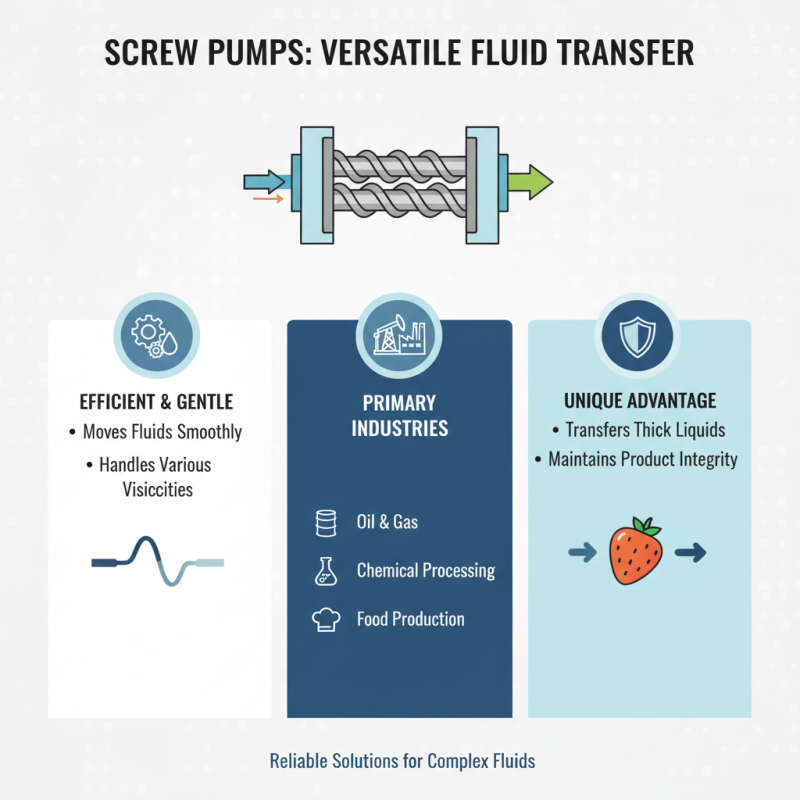
Screw pumps are versatile tools used across various industries. They move fluids efficiently and handle a range of viscosities. These pumps are especially useful in oil and gas, chemical processing, and food production. Their ability to transfer thick liquids without compromising integrity makes them unique.
In the oil industry, screw pumps tackle challenging tasks. They can transport crude oil, which is often thick and sticky. This ability helps save time and reduces energy consumption. In chemical manufacturing, screw pumps mix and transfer aggressive substances. These pumps provide precision, but maintenance is crucial. Operators must regularly check for wear and tear to avoid leaks, which can be costly.
In food production, screw pumps safely handle viscous items like sauces and purees. Their design minimizes shear stress, preserving product quality. However, the sanitation requirements can be demanding. Ensuring cleanliness takes time and careful inspection. Screw pumps excel, yet their operation requires ongoing attention to detail and awareness of potential issues.
Advantages and Limitations of Using Screw Pumps
Screw pumps have gained popularity in various industries due to their efficiency in handling complex fluids. However, they come with both advantages and limitations. One of the major advantages is their ability to transport highly viscous fluids. According to a report by Research and Markets, screw pumps can handle fluids with viscosities up to 1,000,000 cP. This makes them ideal for applications in the oil and food industries, where such properties are common.
On the flip side, screw pumps can be expensive to install and maintain. Their complex design may lead to higher costs in repairs. A study indicated that maintenance expenses can account for approximately 15%-20% of the total operational costs. Additionally, while they offer continuous flow, they may not be suitable for applications that require variable flow rates. This limitation can restrict their use in dynamic environments.
Another point to consider is energy efficiency. Screw pumps are generally more energy-efficient compared to other types. Yet, in some scenarios, especially at low flow rates, their efficiency can decrease. This could lead operators to reconsider their choice of pump for specific tasks. While they excel in certain areas, it's crucial to weigh these pros and cons carefully before use.
Screw Pump Efficiency Comparison
The chart above illustrates key performance metrics for screw pumps, including Flow Rate, Efficiency, Maintenance Cost, and Noise Level. This data highlights the advantages of using screw pumps in various applications.