What is the Sewage Treatment Plant Process Explained
The sewage treatment plant process plays a crucial role in environmental sustainability. According to the U.S. Environmental Protection Agency, over 34,000 sewage treatment plants operate in the United States alone. These facilities treat around 34 billion gallons of wastewater daily, a staggering amount that highlights their importance.
However, many urban areas still struggle with outdated infrastructure. Reports indicate that nearly 30% of these plants are working beyond their intended capacity. This often leads to inefficiencies and potential public health risks. Consistent upgrades and investments in new technologies are necessary to address these issues.
Despite the challenges, innovation in the sewage treatment plant process shows promise. Advanced methods like membrane bioreactors and anaerobic digestion are transforming wastewater into reusable resources. Nonetheless, the journey toward sustainable wastewater management remains a work in progress, needing constant attention.
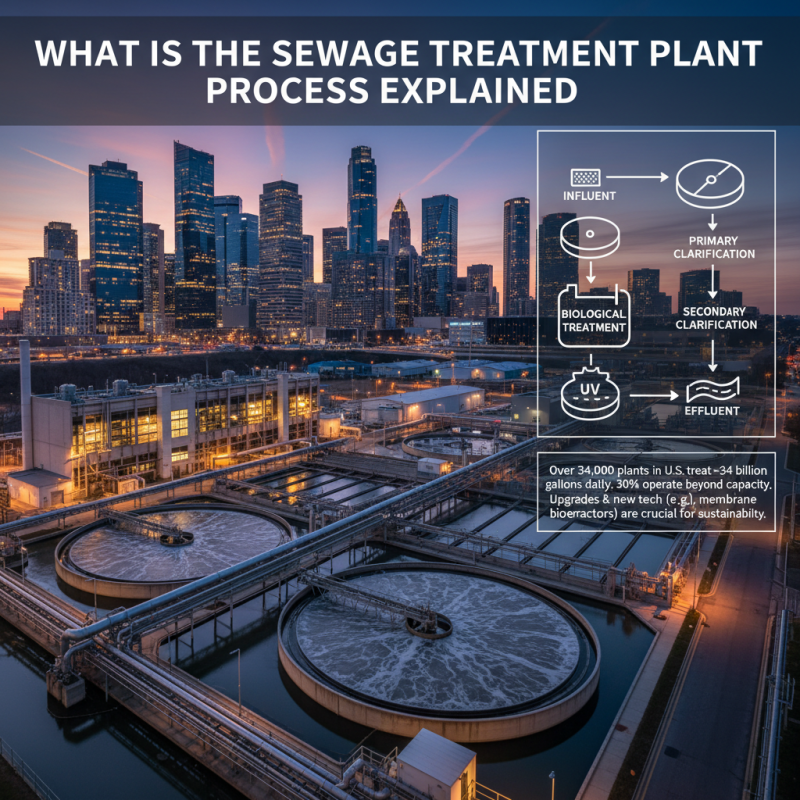
Sewage Treatment Plant Overview: Key Functions and Importance
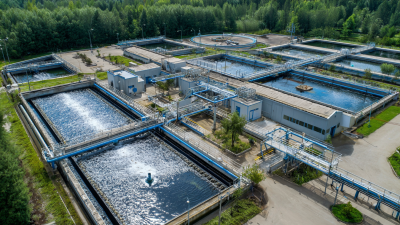
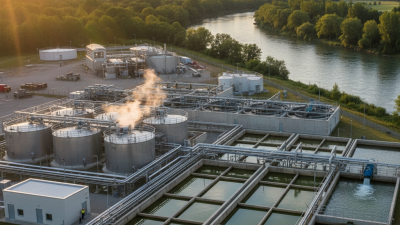
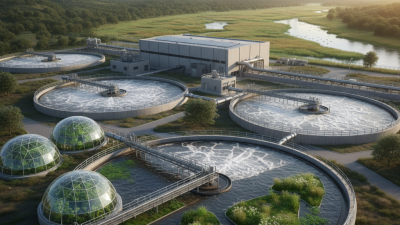
Sewage treatment plants play a crucial role in maintaining public health and environmental safety. These facilities are designed to process wastewater before it is released back into nature. They remove harmful contaminants, ensuring that the water is safe for streams, rivers, and oceans. Improper treatment can lead to severe ecological damage.
The key functions of a sewage treatment plant include screening, aeration, and filtration. In the screening stage, large solids are removed from the water. This prevents clogging in later processes. During aeration, bacteria break down organic materials. It’s a vital step, but sometimes not all contaminants are fully eliminated.
The importance of these plants extends beyond just cleaning water. They help reduce pollution and provide nutrients for ecosystems. However, ongoing maintenance and upgrades are necessary. Many plants still face challenges due to outdated technology. Continuous improvement is essential for achieving optimal performance and protecting our water resources effectively.
Stages of Sewage Treatment: Primary, Secondary, and Tertiary Processes
Sewage treatment involves several crucial stages: primary, secondary, and tertiary processes. Each stage plays a vital role in cleansing wastewater before it is released back into the environment.
The primary process removes large solids. This happens with screens and sedimentation tanks. Heavy materials settle to the bottom, leaving lighter debris floating. It's not perfect; some small particles remain. This stage is essential, but it has flaws that require further treatment.
In the secondary process, biological methods break down remaining organic matter. Microbes thrive here, consuming nutrients. Aeration tanks create an environment for bacterial growth. However, if conditions aren’t optimal, some harmful substances could persist. Continual monitoring is key.
The final stage is tertiary treatment. This stage enhances water quality further. Filtration, chemical treatments, or advanced methods refine the output. It's complex and can be costly. Yet, skipping this step may mean pollutants remain.
Tips: Always remember to maintain your household's plumbing. Small leaks can introduce contaminants. Regular checks can prevent more significant issues down the line. Responsiveness to such problems is crucial.
Sewage Treatment Plant Process Overview
This chart illustrates the stages of sewage treatment processes: Primary, Secondary, and Tertiary. Each stage is crucial for ensuring wastewater is treated effectively before being released back into the environment.
Biological Treatment Methods: Aerobic vs. Anaerobic Digestion
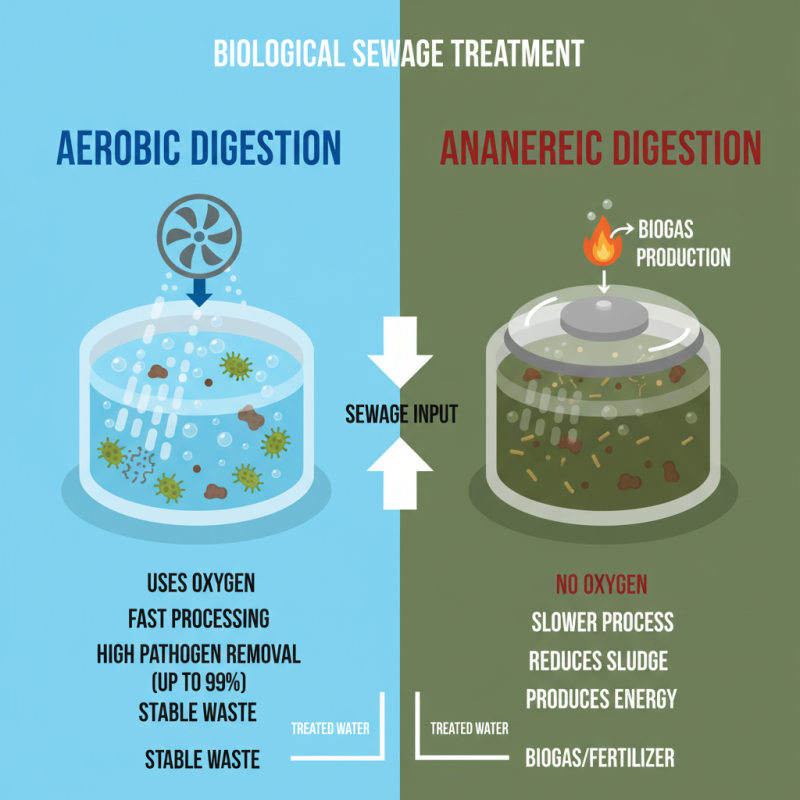
Biological treatment methods for sewage involve two main processes: aerobic digestion and anaerobic digestion. Aerobic digestion uses oxygen to decompose organic matter. This method thrives in environments where oxygen is abundant. It often leads to faster processing times and greater stabilization of waste. For instance, studies show that aerobic treatment can remove up to 99% of pathogens from wastewater, a compelling figure for municipal systems.
On the other hand, anaerobic digestion occurs without oxygen. It relies on microorganisms that break down waste in low-oxygen conditions. This process is slower but generates biogas, a renewable energy source. Reports indicate that anaerobic digestion can reduce sludge volume by 30-50%. However, there are challenges. Incomplete breakdown of certain materials can lead to odors and residual waste. It requires careful monitoring and management to ensure effectiveness.
The choice between aerobic and anaerobic methods often depends on specific conditions and goals. Each has unique benefits and drawbacks. While aerobic processes are efficient, they can be energy-intensive. Anaerobic methods, while sustainable, may not always meet stringent treatment standards. As the industry evolves, reflecting on these methods is crucial for improving sewage treatment outcomes.
Advanced Treatment Technologies: Membrane Bioreactors and UV Disinfection
Membrane bioreactors (MBRs) are gaining traction in the wastewater treatment industry. These systems combine biological treatment and membrane filtration. This integration leads to high-quality effluent. MBRs can reduce total suspended solids by over 90%. The result is clearer water, making it suitable for various reuse applications.
UV disinfection is another advanced technology commonly used. It effectively inactivates pathogens without the use of chemicals. Studies show that UV systems can eliminate 99.99% of harmful microorganisms in treated water. This method is not only efficient but also environmentally friendly. However, operational costs can be a concern.
Despite advances, challenges remain. MBRs can be sensitive to varying wastewater compositions. The fouling of membranes can complicate maintenance. UV disinfection systems require proper lamp maintenance to ensure efficacy. Monitoring technologies are often required to maintain optimal performance. As technologies evolve, ongoing research is needed to enhance these processes further.
Environmental Impact of Sewage Treatment: Reduction of Pollutants and Nutrients
Sewage treatment plants play a crucial role in reducing environmental pollutants. These facilities process wastewater from homes and industries. This helps prevent harmful substances from entering rivers and oceans. During the treatment process, pollutants are removed through physical, chemical, and biological methods. Each stage is designed to target specific contaminants.
However, some challenges remain. Nutrient removal, such as nitrogen and phosphorus, is often incomplete. Excess nutrients can lead to algal blooms in water bodies. These blooms deplete oxygen levels and harm aquatic life. Additionally, many plants struggle to handle emerging pollutants, such as pharmaceuticals. This gap in treatment processes raises concerns about long-term environmental health.
Innovations are needed to improve the efficiency of sewage treatment. Investing in advanced technologies can enhance pollutant removal. Public awareness and participation are equally essential. Communities must understand the importance of responsible wastewater management. This shared responsibility can foster healthier ecosystems. Together, we can work towards a cleaner environment.