Top 10 Steps in the Sewage Treatment Plant Process for Clean Water Solutions?
In the realm of environmental engineering, the sewage treatment plant process stands as a critical component for achieving clean water solutions. Renowned expert Dr. Jane Sullivan, who has dedicated her career to sustainable water management, emphasizes, "The effectiveness of a sewage treatment plant process directly impacts community health and ecosystem balance." This highlights the urgency of implementing efficient practices in water treatment facilities.
As urbanization increases, the need for robust sewage treatment has never been greater. Proper treatment not only ensures cleaner water but also protects local wildlife. The steps involved in the sewage treatment plant process can be intricate. Each phase, from initial screening of waste to final effluent treatment, requires attention to detail and optimization.
However, challenges persist. Many plants struggle with outdated technologies and insufficient funding. This leads to inefficiencies in the sewage treatment plant process. A reflection on current practices reveals the necessity for innovation and changes in policy. We must continue to invest in and refine these processes for the health of our planet and future generations.
Overview of Sewage Treatment Plant Functionality
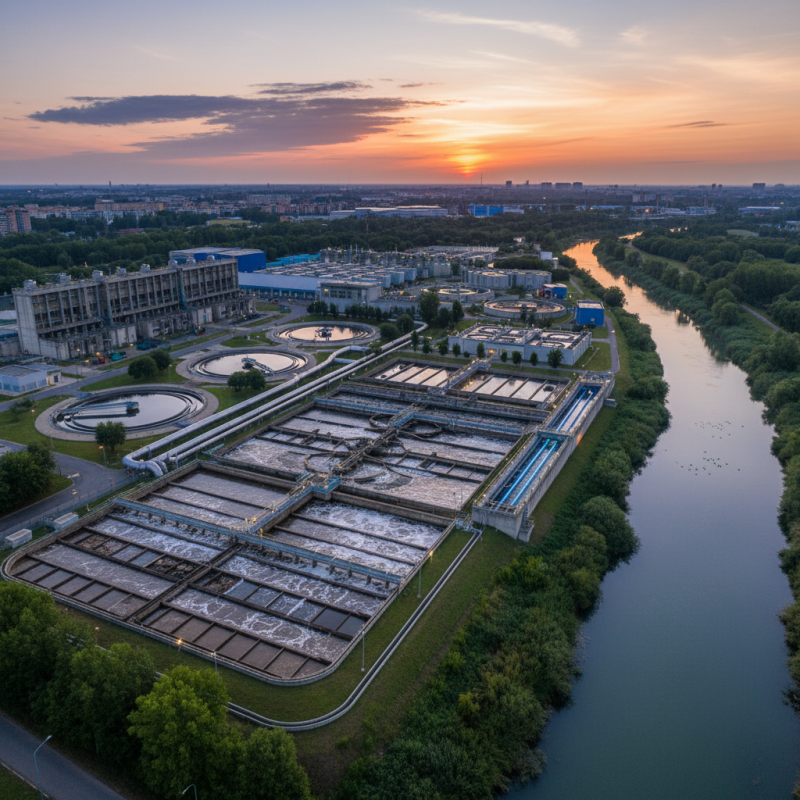
Sewage treatment plants play a critical role in maintaining water quality. These facilities convert wastewater into clean water. According to the Environmental Protection Agency, about 34 billion gallons of wastewater are treated daily in the U.S. alone.
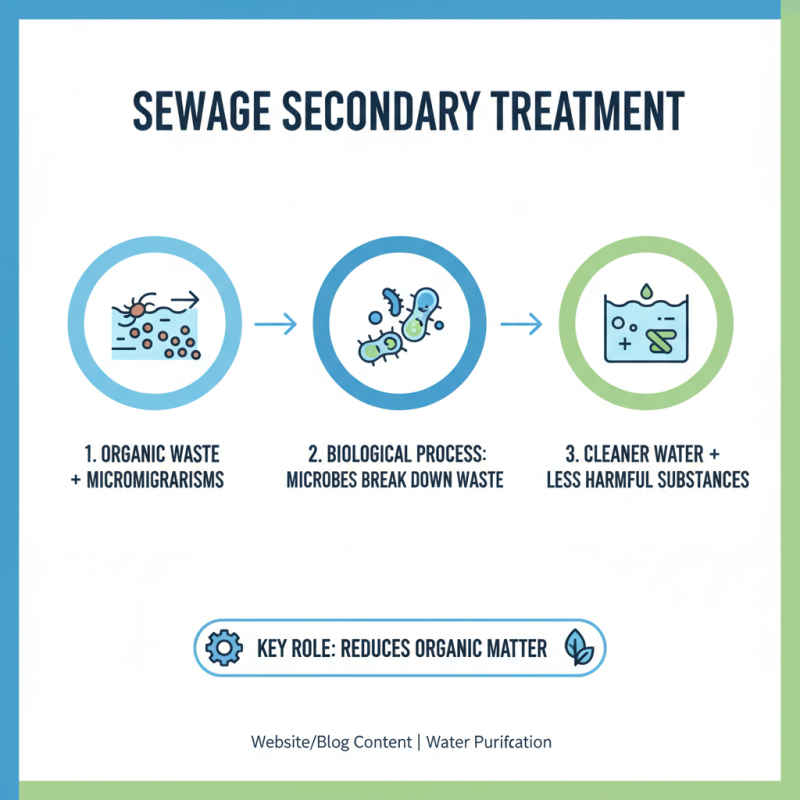
The process starts with screening to remove large debris. This step is essential but often overlooks smaller pollutants. Following this, primary treatment settles solids. Yet, approximately 50% of organic matter can remain. Secondary treatment uses biological processes. This part needs careful monitoring to ensure efficiency, as it relies on healthy bacterial populations.
Tertiary treatment focuses on further purification. This stage is complex, often involving advanced filtration methods. However, some plants struggle to implement this due to budget constraints. Data shows that around 20% of existing plants do not provide full tertiary treatment. This gap highlights a significant area for improvement in water cleanliness standards.
Preliminary Treatment: Screening and Grit Removal
Preliminary treatment is the first step in the sewage treatment plant process.
Screening captures large debris like sticks and plastics. This step is crucial. It prevents damage to machinery downstream.
A study indicates that improper screening can lead to equipment failures. These failures can cost facilities thousands of dollars in repairs.
Grit removal follows screening. This step removes sand, gravel, and other heavy particles. It prevents wear on pumps and other treatment equipment.
Reports suggest that effective grit removal can reduce energy consumption by 30%. Without it,
sediment accumulates, leading to inefficiencies.
Tip: Regular maintenance of screening and grit removal systems is essential. Set routine inspections to avoid operational hiccups.
Facilities should prioritize staff training on these processes. Understanding the importance of each step enhances overall efficiency.
Proper preliminary treatment is vital for clean, safe water.
Primary Treatment: Sedimentation for Solids Separation
In wastewater treatment, primary treatment is critical. It focuses on sedimentation for solids separation. This step removes large debris such as plastics, leaves, and other solids. The goal is to allow heavier particles to settle at the bottom of the tank. This creates sludge. The remaining liquid moves on for further treatment.
During sedimentation, water flows slowly. The slower the flow, the more effective the separation. But it's not foolproof. Some small particles may remain suspended. This can lead to challenges later in the treatment process. Remember, every treatment plant is unique. Each may face different issues.
**Tips:** Maintain regular inspections. This ensures tanks and equipment work effectively. Look for signs of build-up. This can indicate a need for maintenance. Keep an eye on flow rates. Adjusting these can enhance the sedimentation process. Always reassess methods to improve efficiency and effectiveness.
Top 10 Steps in the Sewage Treatment Plant Process for Clean Water Solutions - Primary Treatment: Sedimentation for Solids Separation
| Step Number |
Process Step |
Description |
Duration (hours) |
Efficiency (%) |
| 1 |
Influent Screening |
Removal of large solids and debris using screens. |
2 |
90 |
| 2 |
Grit Removal |
Settlement of gritty materials such as sand and gravel. |
1 |
85 |
| 3 |
Primary Sedimentation |
Sedimentation tanks allow solids to settle out of the liquid. |
3 |
70 |
| 4 |
Sludge Thickening |
Concentration of settled sludge for further treatment. |
2 |
80 |
| 5 |
Effluent Transfer |
Transfer of treated liquid to further stages of treatment. |
1 |
95 |
Secondary Treatment: Biological Processes for Organic Matter Reduction
In sewage treatment plants, secondary treatment plays a crucial role. This phase focuses on reducing organic matter. Biological processes are at the heart of this stage. Microorganisms break down waste, transforming it into less harmful substances. The bacteria feed on organic materials, consuming them in a series of complex reactions.
Aeration tanks are essential in this process. In these tanks, air is pumped in. This boosts the growth of bacteria. As they multiply, they digest the organic pollutants. However, the balance is delicate. Too many nutrients can lead to harmful algae blooms. This unintended consequence requires careful monitoring.
Effluent quality can vary. Not all organic matter is eliminated. Each treatment plant faces unique challenges. It requires constant adjustments and reflections on effectiveness. Continuous improvement is needed to optimize these biological processes. A clean water solution should always be the goal, but achieving it is often not straightforward.
Tertiary Treatment: Advanced Filtration and Disinfection Methods
Tertiary treatment plays a crucial role in the sewage treatment process. This stage focuses on advanced filtration and disinfection methods. During this phase, water undergoes additional treatment after primary and secondary processes. Purpose? To ensure water quality meets health standards.
Advanced filtration systems, such as membrane filtration, effectively remove small particles. These systems can get rid of organic and inorganic contaminants. Some plants incorporate UV light for disinfection. This method kills harmful microorganisms without using chemicals. However, not all facilities have access to such technologies. It raises questions about efficiency and accessibility.
Despite technological advancements, challenges remain. Some facilities struggle to maintain equipment. Others may find costs prohibitive when implementing new methods. Regular maintenance is vital for optimal performance. Without it, water quality may suffer. Encouraging investment in these technologies is essential for cleaner water solutions.