What is a Sewer Jetting Machine and How Does It Work?
In urban infrastructure, maintaining a clean sewer system is crucial. The Sewer Jetting Machine is an essential tool in this process. According to a recent report by the American Society of Civil Engineers, sewer systems across the U.S. face deterioration, leading to increased maintenance costs. Experts estimate that effective cleaning can reduce long-term expenses by up to 30%.
John Smith, a leading expert in wastewater management, emphasizes, "The Sewer Jetting Machine revolutionizes how we approach sewer maintenance." This machine uses high-pressure water jets to clear blockages. It efficiently removes debris, roots, and buildup, promoting a healthier sewer system. However, the reliance on technology raises questions about consistency in training operators.
While the benefits of these machines are clear, issues remain in operator safety and machine maintenance. Regular training is necessary to ensure maximum efficiency. Additionally, as cities grow, the demand for Sewer Jetting Machines will only increase. Thus, ongoing research and adaptation in this field are vital.
What is a Sewer Jetting Machine and Its Primary Function?
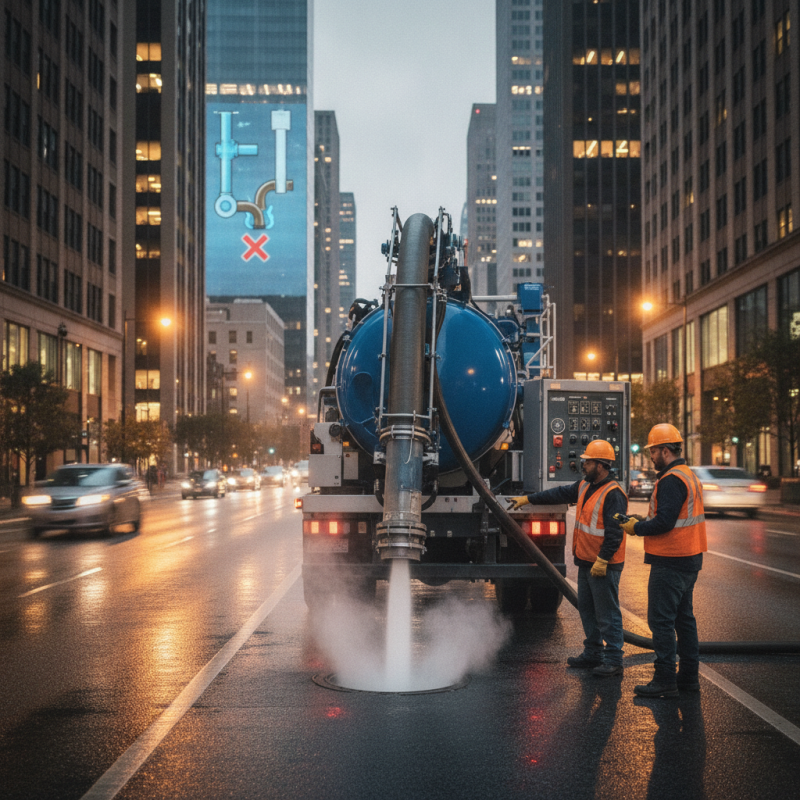
A sewer jetting machine is a powerful tool used for cleaning blocked pipes. Its primary function is to clear away debris, grease, and tree roots that accumulate over time. According to a report by the National Association of Sewer Services Companies, 80% of sewer blockages are due to these common culprits. The machine uses high-pressure water jets to effectively dislodge and clear these obstacles.
These machines can operate at pressures ranging from 1,500 to 4,000 PSI. The flexibility of the hose allows operators to navigate through bends and turns in the plumbing system. This adaptability is crucial, considering that sewer systems often have complex layouts. Using a sewer jetting machine can significantly reduce the time spent on manual cleaning methods, improving operational efficiency.
However, relying solely on sewer jetting machines carries some risks. Improper use can lead to pipe damage or even exacerbate existing issues by pushing blockages further down the line. It's essential for operators to be trained properly and to assess the condition of pipes before deployment. Investing in regular maintenance and inspections can help mitigate these challenges and ensure long-term effectiveness of the sewer system.
Key Components and Mechanisms of a Sewer Jetting Machine
A sewer jetting machine is an essential tool for maintaining clean and clear sewer lines. At its core, this machine utilizes high-pressure water jets to dislodge blockages. The primary components include a water tank, pump, and a nozzle designed to direct water flow precisely. When activated, the pump generates pressure, forcing water through the hoses and out of the nozzle. This powerful stream effectively removes grease, debris, and even tree roots that can obstruct sewage flow.
The nozzle plays a crucial role in this process. It is specifically designed to create maximum thrust while rotating to ensure a thorough cleaning. As the nozzle moves through the pipe, it carefully clears away stuck materials. The water pressure can vary, often exceeding 4,000 PSI, ensuring that even the most stubborn clogs are addressed. A well-maintained sewer jetting machine can prevent costly repairs down the line. However, it is crucial to avoid over-reliance on this technology. Improper use can cause pipe damage or backflow issues.
While sewer jetting is effective, understanding the machine's limitations is essential. Not every blockage will respond to jetting. Sometimes, alternative methods may be required for complex issues. Regular maintenance and operator training are vital for maximizing efficiency and safety. Mistakes can happen, but awareness is key to improving operation. A skilled technician knows when to use this powerful tool and when to seek a different approach.
Sewer Jetting Machine Performance Comparison
Technical Specifications: Pressure Ratings and Flow Rates in Jetting
A sewer jetting machine is a powerful tool for cleaning clogged pipes effectively. It uses high-pressure water jets to clear obstructions. The pressure ratings typically range from 1,500 to 4,000 PSI, while flow rates can vary from 5 to 18 GPM. This makes it suitable for various applications, from residential plumbing to industrial sewage systems.
Understanding these technical specifications helps users select the right machine for their needs. Higher pressure results in better cleaning performance, especially in severe blockages. The flow rate determines how quickly a job can be completed. Ideally, match the pressure with the pipe's material to avoid damage. It's crucial to learn how to operate these machines safely.
Tips: Always wear protective gear while operating a sewer jetting machine. Regular maintenance of the machine ensures longevity and performance. Keep the workspace clear to minimize accidents. Remember, even with advanced equipment, improper use can lead to costly mistakes. Reflect on previous experiences and improve your technique.
The Process of Sewer Jetting: Step-by-Step Cleaning Methodology
Sewer jetting is a dynamic cleaning process that uses high-pressure water jets to clear clogged pipes. This methodology effectively removes built-up debris, grease, and roots from sewer lines. According to a study by the National Association of Sewer Service Companies, nearly 90% of blockages in municipal sewer systems can be traced back to grease and tree roots. These culprits not only hinder flow but can lead to serious infrastructure issues.
The process begins with an assessment. Technicians inspect the sewer line using cameras to identify the blockage location and type. They then insert a specialized nozzle into the line. This nozzle shoots water at pressures ranging from 2,000 to 4,000 PSI. The high-pressure water efficiently dislodges particles within the pipe. Many experts agree that the effectiveness of sewer jetting lies in its ability to flush away dirt layers, and some reports indicate that this method can restore pipe flow capacity by up to 80%.
While sewer jetting is effective, it has limitations. For instance, it may not resolve structural issues within aging pipes. Over time, corrosion can weaken pipes, leading to leaks or breaks. Some technicians stress the importance of regular maintenance, advocating for annual inspections to prevent severe blockages. Although jetting can target immediate debris, it may not address the underlying causes that lead to pipe deterioration. This reflective approach is essential for sustainable sewer management.
Industry Standards and Safety Considerations for Jetting Operations
When it comes to jetting operations, adhering to industry standards is crucial. A sewer jetting machine can bring significant efficiency in drainage maintenance, but safety must always be a priority. Operators should undergo thorough training and understand the equipment specifications. This knowledge ensures they can handle the machine safely while minimizing risks.
Personal protective equipment (PPE) is essential during jetting. Gear like gloves, goggles, and appropriate clothing can protect against debris and high-pressure water. There are established protocols about the equipment’s maintenance. Regular checks can prevent malfunctions during operations. Failing to inspect machinery can lead to accidents or inefficient cleaning.
While jetting is a powerful method, it can sometimes cause unintended consequences. Blockages might be pushed further down the system instead of removed. Addressing this requires careful water pressure management. Operators must be vigilant and adjust their techniques based on the specific challenges they encounter. Continuous education and feedback from the field can enhance safety and effectiveness in jetting operations.