Essential Tips for Understanding Miniature Circuit Breakers?
In the world of electrical safety, the Miniature Circuit Breaker (MCB) plays a crucial role. John Smith, a renowned electrical engineer, once said, “Understanding MCBs is essential for every electrician.” His insight highlights the importance of grasping the key features of MCBs.
Miniature Circuit Breakers protect circuits from overloads and short circuits. They automatically disconnect power, preventing potential hazards. However, many users overlook their significance. Incorrect installation or selection can lead to failures. Every engineer must know their ratings and trip characteristics to ensure safety.
Additionally, the complexity of electrical systems breeds misunderstandings. Users might think all MCBs are the same. This is a common misconception. Choosing the right Miniature Circuit Breaker requires careful consideration of the load. It’s not just about breaking circuits; it’s about doing so effectively and safely. Understanding this vital component can enhance electrical system reliability.
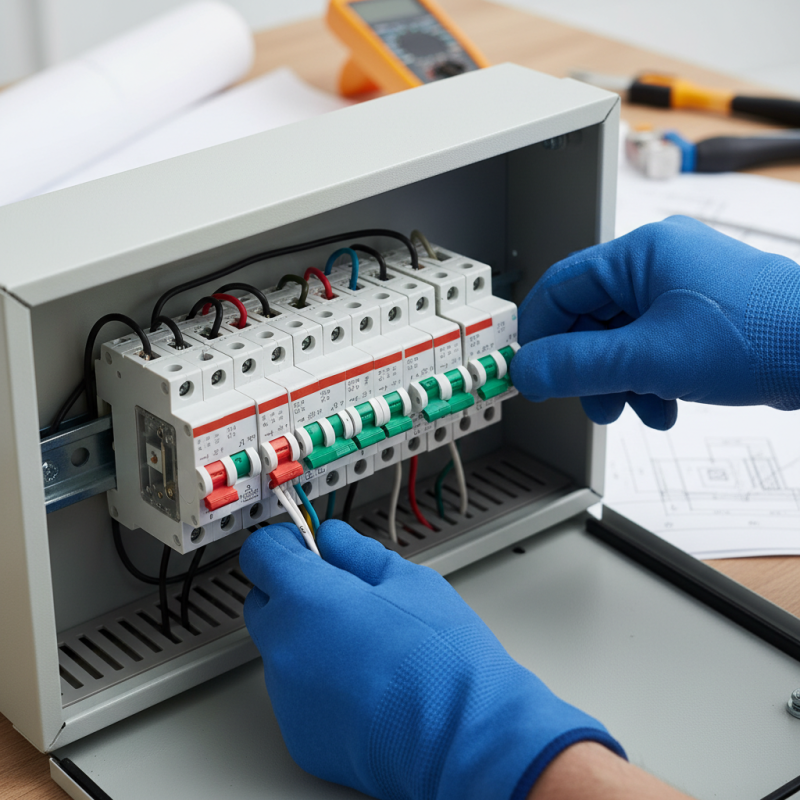
What are Miniature Circuit Breakers and How Do They Work?
Miniature Circuit Breakers (MCBs) are safety devices used in electrical systems. They automatically switch off electrical circuits during overload or short-circuit conditions. This prevents potential damage to electrical equipment and reduces the risk of fires.
The working principle of an MCB is relatively simple. It detects excessive current flow and trips the circuit. There are two main mechanisms: thermal and magnetic. The thermal mechanism reacts slowly, allowing for minor fluctuations. The magnetic mechanism responds to sudden surges, tripping almost instantly. This dual-functioning design is effective, yet sometimes, users may miscalculate their circuit requirements.
Installation and maintenance are crucial. Incorrect setup can lead to frequent tripping or worse, ineffective protection. Some users overlook regular checks, leading to potential hazards. Understanding how many amps a circuit requires helps in choosing an appropriate MCB. However, many individuals find this process complicated. The importance of education on MCBs cannot be overstated, as mistakes can have serious repercussions.
The Importance of Miniature Circuit Breakers in Electrical Systems
Miniature Circuit Breakers (MCBs) play a crucial role in modern electrical systems. They are designed to protect wiring and equipment by interrupting the circuit during overloads or short circuits. Reports suggest that electrical fires, often stemming from circuit malfunctions, cause considerable property loss, highlighting the need for reliable protection.
MCBs automatically reset once the fault is cleared. This functionality is essential in residential and commercial setups, where quick recovery is needed. However, it’s essential to ensure that the right MCB rating is selected. Choosing the wrong rating can lead to nuisance tripping or, worse, insufficient protection. A study indicated that about 30% of electrical failures can be traced back to incorrect MCB sizing.
Tips for selecting an MCB include assessing the load's nature. Resistive loads might require different considerations compared to inductive ones. Sometimes, installations lack clear documentation. Not understanding existing systems can hinder effective protection. Make sure to document any changes or upgrades precisely to optimize your circuit protections. Regularly inspecting MCB performance can also prevent unforeseen issues.
Key Features and Specifications of Miniature Circuit Breakers
Miniature Circuit Breakers (MCBs) are essential in modern electrical systems. They offer protection against overloads and short circuits. Understanding their key features can enhance safety in any electrical installation. One critical aspect is the rated current, which determines the maximum load the MCB can handle. It’s essential to match this rating with your electrical load demands.
Another vital specification is the breaking capacity. This refers to the maximum fault current the MCB can interrupt safely. Choosing an MCB with an appropriate breaking capacity is crucial for preventing damage during electrical faults. Additionally, MCBs come with different trip curves, such as B, C, and D, which define their response to overloads. An appropriate trip curve selection depends on the specific application, whether it be residential or industrial.
It’s worth noting that installation and maintenance play a significant role in MCB performance. Improper installation can lead to failures, proving the importance of professional insight. Regular testing and inspections are often overlooked but can determine the longevity of your MCBs. A proactive approach in monitoring can save future headaches. Always remember, the right choice in MCBs can prevent hazards, but understanding their features is just the beginning.
Common Applications and Uses of Miniature Circuit Breakers
Miniature circuit breakers (MCBs) are crucial in electrical systems. They act as safety devices that prevent overloads and short circuits. MCBs are commonly found in residential and commercial settings. They help protect valuable equipment from damage.
In homes, MCBs safeguard circuits powering lights and appliances. They automatically cut off electricity when a fault occurs. This prevents fires and equipment damage. In industrial applications, MCBs control larger machinery and production lines. They ensure a steady flow of power while guarding against electrical faults.
Consider the placement of MCBs. Proper installation is vital for optimal functionality. Many overlook this aspect, leading to issues in emergency situations. Understanding the required specifications is also important. It ensures that the MCB is suitable for the intended application. There’s a need for regular testing and maintenance to keep them effective. Even minor neglect can create significant risks.
Tips for Selecting and Installing Miniature Circuit Breakers
Choosing the right miniature circuit breaker (MCB) is crucial. Assessing your electrical load is the first step. Calculate the total wattage of devices you plan to connect. Make sure the chosen MCB can handle that load. An MCB with a lower rating might trip frequently. This can be frustrating during use.
Installation requires attention to detail. Ensure that the circuit is powered down before starting. Improper installation can lead to electrical hazards. Connect the MCB according to its specifications. Secure all terminals properly. Keep wires tidy to avoid confusion later. Inadequate wire management could lead to short circuits.
Consider future expansion. If you plan to add more devices, choose an MCB with a higher capacity. This foresight can save time and money down the line. Finally, always double-check your work. Mistakes happen, and they can be costly. Taking a moment to verify connections can prevent issues later on.
Essential Tips for Understanding Miniature Circuit Breakers
| Tip Category | Description | Important Considerations |
| Selection | Choose the right rating based on your circuit requirements. | Consider load current and application type (residential, commercial, etc.). |
| Type | Select the appropriate type (B, C, D) depending on the characteristics of the load. | Type B for resistive loads, Type C for moderate inrush, Type D for high inrush. |
| Installation | Ensure proper installation following electrical codes and manufacturer instructions. | Verify correct wire sizes and terminal connections. |
| Testing | Regularly test the circuit breaker function and reset capability. | Perform tests in a safe environment to prevent shock hazards. |
| Maintenance | Regularly inspect for signs of wear or damage. | Replace any faulty units promptly to ensure safety. |