Top 10 Innovations in Sewer Treatment Plant Technology Today?
Sewer treatment plants are essential for managing wastewater. Innovations in this sector can enhance efficiency and sustainability. Today, plants are adopting advanced technologies to meet stringent environmental standards.
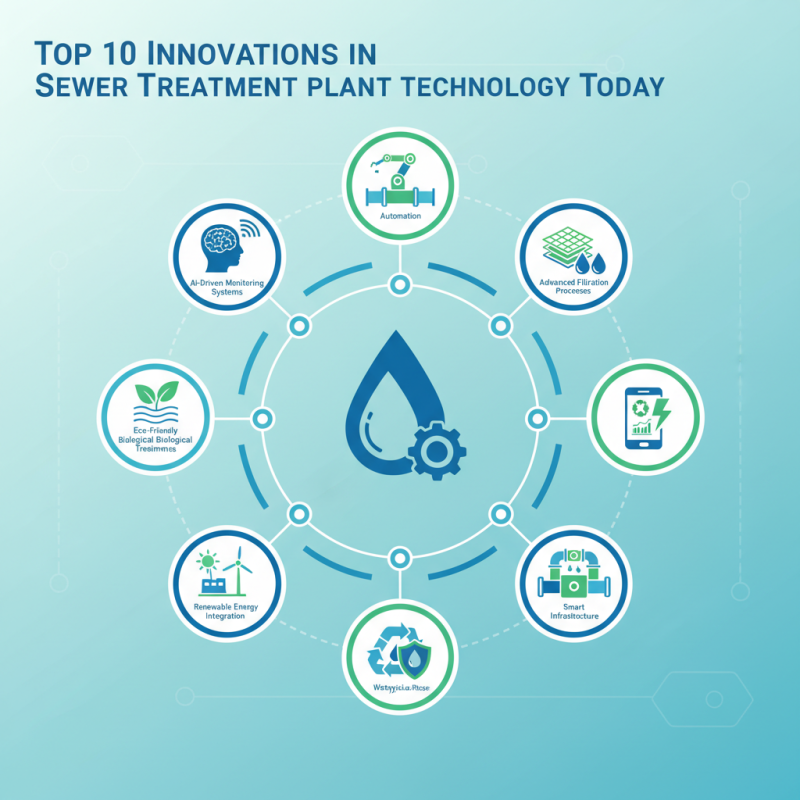
Recent advancements include AI-driven monitoring systems. These systems can detect issues in real time, allowing for quick responses. Automation is another key feature, streamlining operations and reducing human error. There are also innovations in filtration processes that improve water quality.
Despite these advancements, challenges remain. Upgrading outdated infrastructure is costly and complex. Many municipalities struggle with funding. Therefore, continuous investment in innovation is vital for the future of sewer treatment plants.
Overview of Current Trends in Sewer Treatment Technology
Sewer treatment technology is evolving rapidly. Today’s focus is on sustainability and efficiency. Many plants now use advanced filtration systems. These systems reduce energy consumption significantly. They enable higher contaminants removal from wastewater.
Another trend is real-time monitoring. Sensors are employed to analyze water quality instantly. This helps in managing resources better. Yet, some facilities struggle with integration. It is challenging to adapt old systems to new tech. Furthermore, there's a push for decentralized treatment methods. Small plants can reduce the burden on larger facilities. However, this shift raises questions about maintenance and oversight.
Biological treatments are also gaining traction. They use microorganisms to break down waste. This method is effective for organic materials. Still, it requires careful management to avoid imbalances. Operators must frequently adjust parameters for optimal performance. As technology advances, ongoing reflection is necessary. Improvements are important, yet challenges remain. Balancing innovation with practical implementation is crucial.
Advancements in Biological Treatment Processes for Sewage
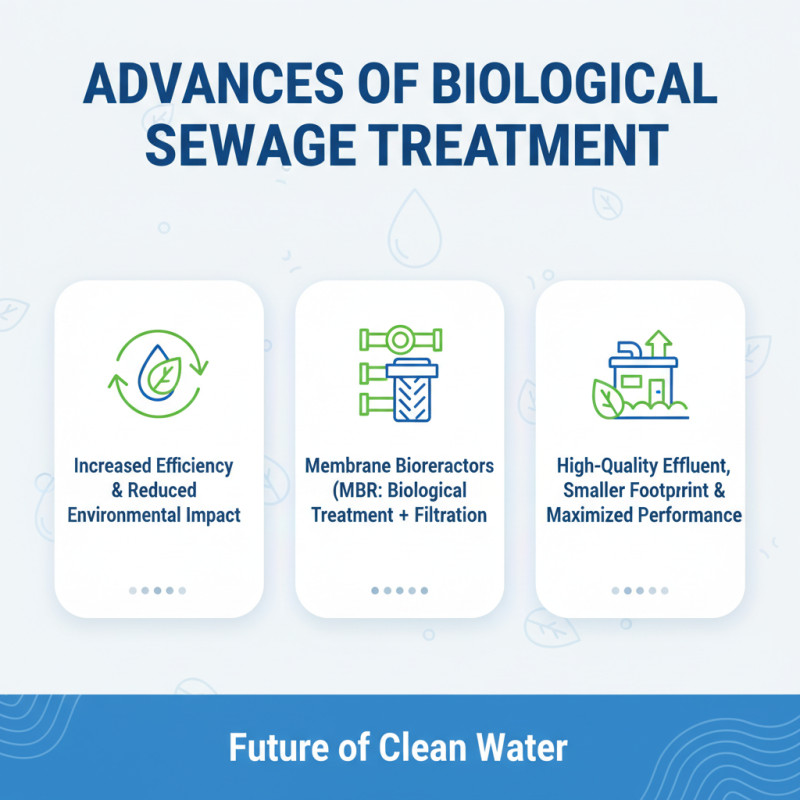
Biological treatment processes for sewage have seen significant advancements in recent years. These innovations focus on enhancing efficiency and reducing environmental impact. Among them, membrane bioreactors (MBRs) are gaining traction. They integrate biological treatment and membrane filtration, resulting in high-quality effluent. With this technology, plants can minimize space while maximizing performance.
Another emerging method is the use of microbial fuel cells. These cells convert organic matter into electricity during the treatment process. This dual functionality offers an attractive solution for energy recovery. However, challenges remain. The technology is still developing and can be costly for widespread implementation.
Lastly, the introduction of enhanced natural treatment systems shows promise. These systems utilize natural processes to treat sewage while minimizing mechanical intervention. They leverage wetlands or biofilters, which can be effective but may require careful design and management. As these technologies evolve, the focus should remain on balance—boosting efficiency while ensuring sustainability.
Emerging Innovations in Chemical Treatment Methods
Emerging innovations in chemical treatment methods are transforming sewer treatment plants. Many facilities now employ advanced oxidation processes. These methods use chemical reactions to break down contaminants effectively. The result is cleaner water, less sludge, and reduced treatment costs.
Another exciting development is the use of bioremediation. This approach utilizes bacteria to degrade pollutants. It's a natural solution that minimizes chemical use. However, the effectiveness can vary based on environmental conditions. Some plants still struggle with the right balance of nutrients and bacteria.
Membrane bioreactors (MBR) are gaining attention as well. They combine biological treatment and membrane filtration. MBR systems can produce high-quality effluent. Yet, they require careful monitoring. Membrane fouling remains a significant challenge. Plants must constantly adapt to maintain efficiency. These innovations promise a cleaner future, but obstacles remain.
Top 10 Innovations in Sewer Treatment Plant Technology Today
This bar chart represents the advancements in chemical treatment methods used in sewer treatment plants. The following innovations are critical for improving water quality, optimizing operational efficiency, and promoting sustainability.
Integration of Smart Sensors and IoT in Wastewater Management
The integration of smart sensors and the Internet of Things (IoT) in wastewater management is transforming the industry. Smart sensors collect real-time data on water quality and flow rates. These devices provide immediate insights, enabling operators to make informed decisions quickly. The ability to monitor systems remotely is groundbreaking. Yet, is our reliance on technology making us too complacent?
IoT technology enhances operational efficiency. Data analytics can predict equipment failures before they occur. Predictive maintenance becomes a reality by analyzing trends over time. However, there are challenges. Not every facility has the budget for advanced technology. Smaller plants may struggle with implementation. This disparity raises concerns about consistency in wastewater treatment quality.
While automated systems improve performance, human oversight remains crucial. Operators must interpret data effectively. If they rely solely on technology, they risk missing critical signs of potential issues. Balancing automation and human expertise is essential for effective wastewater management. Embracing innovation is a step forward, but we must also consider its limitations.