2025 Top 5 Innovations in Wastewater Treatment Plants You Need to Know
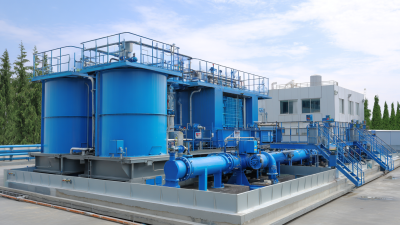
As we advance into 2025, the importance of sustainable and efficient wastewater treatment plants has never been more crucial. With increasing environmental concerns and the ever-growing population, these facilities play a pivotal role in protecting our water resources and ensuring a cleaner, safer environment. Innovations in technology and practices are emerging at a rapid pace, aiming to enhance the performance of wastewater treatment plants while minimizing their environmental footprint.
In this context, it is essential to be aware of the top innovations shaping the future of wastewater management. From advanced filtration systems to cutting-edge biological treatments, these developments not only improve the efficiency of operations but also contribute significantly to resource recovery. As we delve into the five groundbreaking innovations that you need to know, it becomes clear that the future of wastewater treatment plants is bright, ushering in an era of enhanced sustainability and resilience in our quest for cleaner water solutions.
Revolutionary Membrane Technologies Enhancing Filtration Efficiency
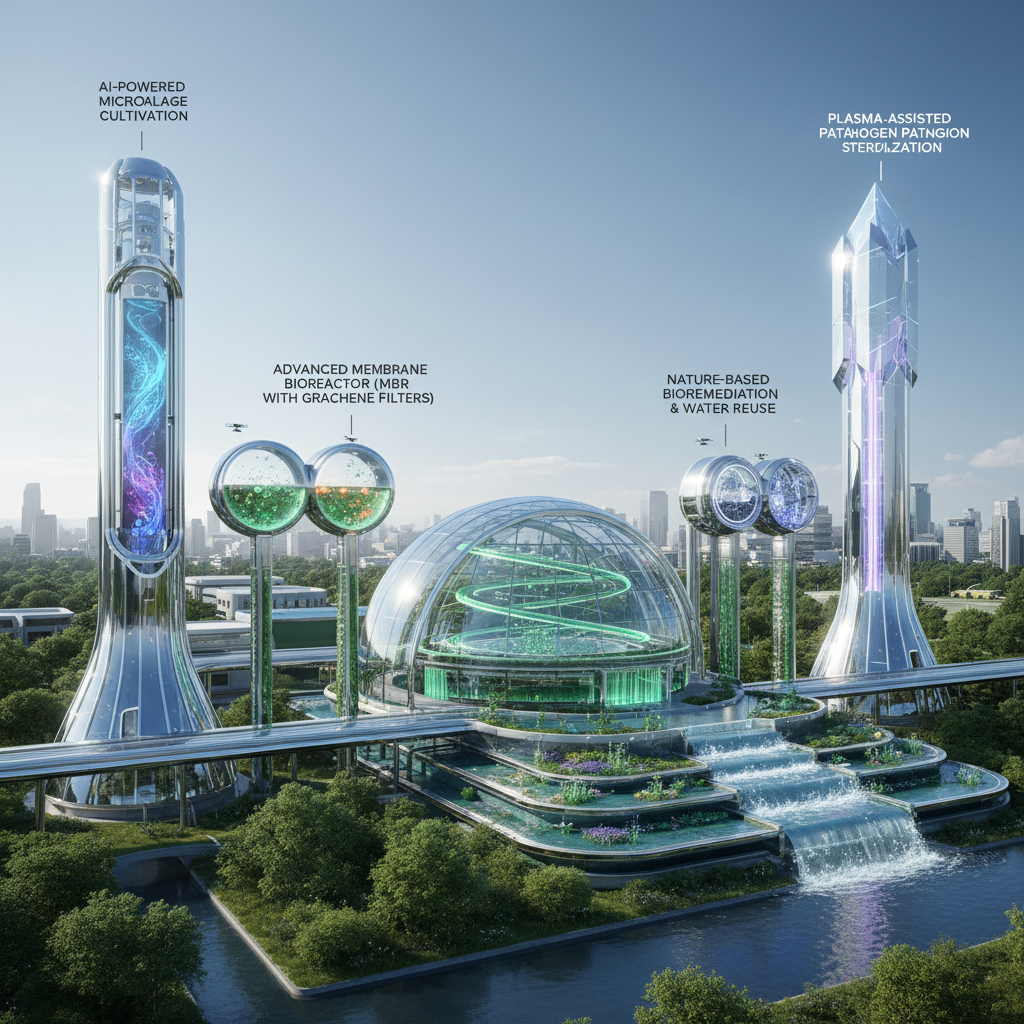
Revolutionary membrane technologies are transforming the landscape of wastewater treatment, significantly enhancing filtration efficiency. According to a report from the International Water Association (IWA), membrane processes have seen an increase in market share, expected to reach USD 7.2 billion by 2025. This growth is primarily due to advancements in membrane materials, such as polyvinylidene fluoride (PVDF) and graphene oxide, which offer superior permeability and fouling resistance compared to traditional materials.
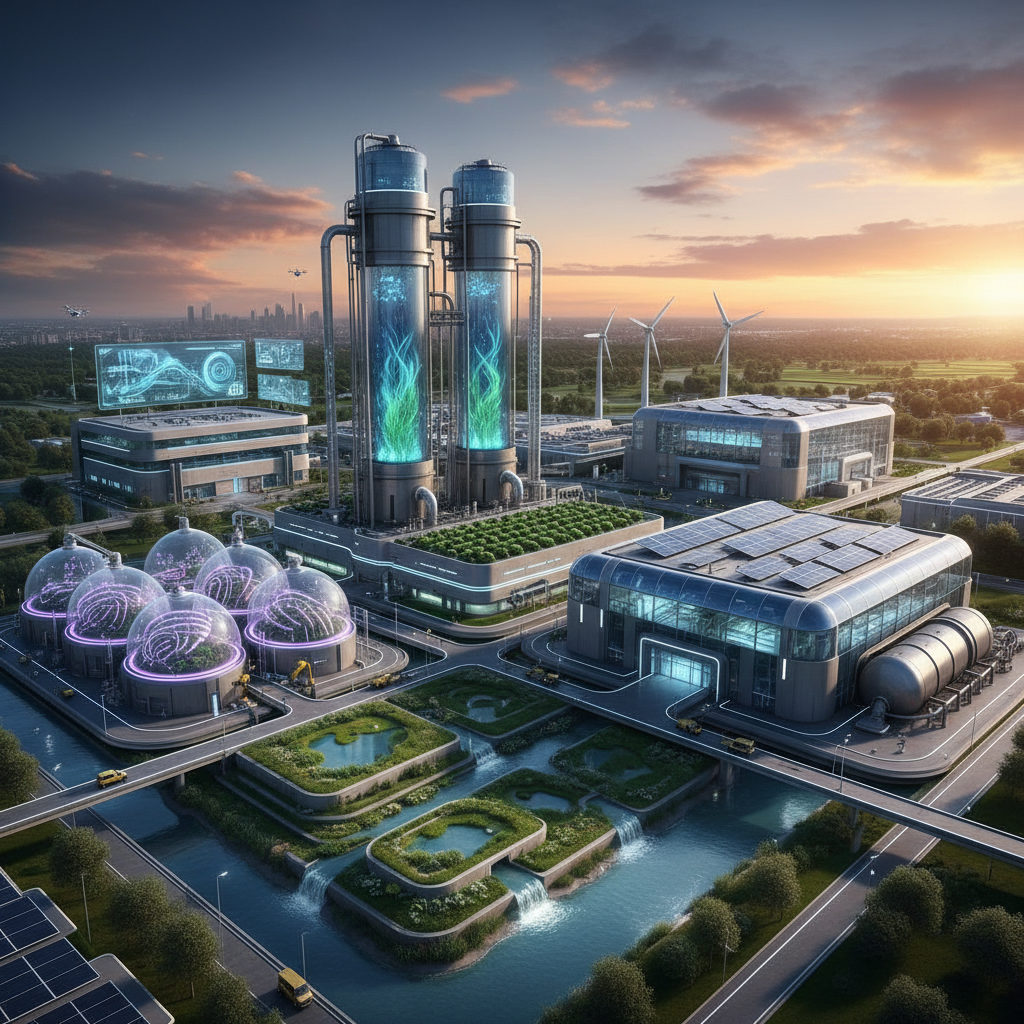 These innovations allow for higher flux rates and lower operational costs, enabling treatment plants to manage increased volumes of wastewater while maintaining high effluent quality.
Additionally, the integration of advanced membrane bioreactors (MBRs) into treatment processes is becoming increasingly popular. The Global Water Intelligence (GWI) reports that MBR systems are being implemented in over 40% of new wastewater treatment projects. These systems not only improve solid-liquid separation but also facilitate the removal of contaminants like pharmaceuticals and microplastics, which are increasingly problematic in urban runoff. As municipalities and industries face stricter regulations regarding wastewater discharge, the adoption of these innovative membrane technologies is crucial in meeting compliance standards and promoting sustainable water reclamation practices.
Smart Sensors and IoT Integration for Real-Time Monitoring
The integration of smart sensors and IoT technology in wastewater treatment plants is revolutionizing the industry, allowing for real-time monitoring and enhanced operational efficiency. These advancements provide plant operators with immediate insights into water quality and system performance, enabling proactive management and prompt responses to potential issues. By leveraging data gathered from multiple sensors, facilities can optimize treatment processes, reduce energy consumption, and significantly decrease maintenance costs.
Tip: Invest in multi-parameter sensors that can simultaneously monitor several essential metrics such as pH, turbidity, and dissolved oxygen levels. This will streamline your data collection and enhance decision-making processes.
Furthermore, the adoption of IoT platforms facilitates seamless communication between devices and central control systems. This connectivity not only improves data accuracy but also supports advanced analytics that can predict system failures before they occur. By harnessing predictive maintenance powered by real-time data, wastewater treatment plants can enhance their reliability and sustainability.
Tip: Consider implementing cloud-based IoT systems to ensure that data can be accessed and analyzed remotely, providing flexibility for plant operators to monitor operations from anywhere at any time.
Advanced Biological Treatment Processes for Sustainable Wastewater
As we move towards a more sustainable future, advanced biological treatment processes in wastewater treatment plants are becoming increasingly vital. These processes leverage the natural capability of microorganisms to break down organic matter, significantly reducing the environmental footprint of wastewater. Innovations such as Membrane Bioreactors (MBRs) and Integrated Fixed Film Activated Sludge (IFAS) systems are at the forefront, offering enhanced treatment efficiency and higher quality effluents.
Tips: To optimize biological treatment processes, consider regular monitoring of microbial health and nutrient levels in the treatment system. This ensures that microorganisms operate at peak efficiency and that the treatment process remains sustainable over time.
Another exciting development is the implementation of anaerobic digestion, which not only treats wastewater but also produces biogas that can be used as a renewable energy source. This innovation supports the circular economy by converting waste into valuable resources, thereby minimizing waste disposal issues and promoting energy self-sufficiency.
Tips: Explore the potential of using local waste materials as feedstock for anaerobic digestion. This can enhance your energy recovery efforts and reduce the reliance on external energy sources.
By embracing these advanced biological treatment processes, wastewater treatment plants can significantly contribute to sustainability goals while efficiently managing wastewater resources.
Artificial Intelligence in Predictive Maintenance and Operations Optimization
Artificial intelligence (AI) is rapidly transforming the landscape of wastewater treatment plants by enhancing predictive maintenance and optimizing operations. According to a report by the Water Research Foundation, integrating AI-driven predictive analytics can reduce equipment downtime by up to 30%. This approach employs algorithms that analyze historical data and current performance metrics to forecast potential failures before they occur, thus minimizing disruptions in operations and ensuring a steady flow of treatment processes.
Additionally, AI applications in wastewater treatment optimize operational efficiency by fine-tuning processes based on real-time monitoring. A study revealed that smart AI systems could improve energy efficiency by 20-25%, significantly reducing operational costs. These systems analyze key performance indicators (KPIs) and adjust treatment parameters dynamically, allowing plants to respond swiftly to varying influent conditions. With smart technologies predicting future trends and operational needs, wastewater treatment facilities are not only enhancing their efficiency but also contributing to greater sustainability within the industry.
2025 Top 5 Innovations in Wastewater Treatment Plants You Need to Know - Artificial Intelligence in Predictive Maintenance and Operations Optimization
| Innovation |
Description |
Benefits |
Implementation Year |
Expected Outcomes |
| AI Predictive Maintenance |
Using algorithms to predict equipment failures before they occur. |
Reduced downtime and maintenance costs. |
2025 |
20% improvement in operational efficiency. |
| Real-time Data Analytics |
Analyzing data as it is collected for immediate insights. |
Faster decision-making and response times. |
2025 |
30% reduction in operational costs. |
| Smart Sensors |
Deploying sensors to monitor system conditions remotely. |
Improved monitoring and quicker identification of issues. |
2025 |
Increased reliability of treatment operations. |
| Automated Control Systems |
Utilizing AI to automate and optimize treatment processes. |
Higher efficiency and consistency in operations. |
2025 |
25% energy savings. |
| Advanced Filtering Technologies |
Integrating AI-driven filtration methods for improved removal of contaminants. |
Enhanced water quality and compliance with regulations. |
2025 |
40% reduction in contaminant levels. |
Resource Recovery Innovations Transforming Waste into Valuable Products
The wastewater treatment industry is undergoing a significant transformation driven by resource recovery innovations. As reported by the Global Water Intelligence, the demand for recycled water is expected to reach 70 billion cubic meters by 2025, emphasizing the urgency for municipalities to adopt advanced technologies that convert waste into valuable products. Innovative approaches such as anaerobic digestion and membrane bioreactors are at the forefront of this evolution, enabling the recovery of energy and nutrients from sewage sludge. According to a study by the Water Environment Federation, these methods can enhance energy efficiency by up to 50%, substantially reducing operational costs for treatment plants.
In addition to energy recovery, resource recovery techniques are transforming the traditional perception of wastewater as a mere disposal challenge to a valuable resource. For instance, innovative processes like nutrient recovery allow treatment plants to extract phosphorus and nitrogen, which can be repurposed as fertilizers. A recent report by the International Water Association highlighted that implementing nutrient recovery systems could potentially generate an annual revenue of more than $2 billion globally by 2030. As these innovations gain traction, the wastewater treatment sector is not only addressing environmental concerns but also contributing to sustainable practices by promoting a circular economy.