Top 2025 Innovations in Waste Water Treatment Process for Sustainable Solutions
The global water crisis is escalating, with the United Nations predicting that by 2025, nearly two-thirds of the world's population could be living in water-stressed areas. In this context, the waste water treatment process plays a crucial role in ensuring the sustainable use of water resources. Innovations in this field are desperately needed to enhance efficiency and reduce environmental impact. According to a report by the Global Water Intelligence, the global market for waste water treatment is projected to reach over $300 billion by 2025, highlighting the urgency for advancements that can meet the increasing demand for sustainable solutions.

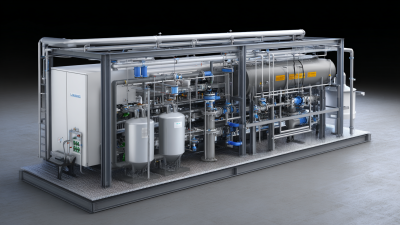
Recent developments in technology, such as membrane bioreactors and advanced oxidation processes, are redefining the landscape of waste water treatment. These innovations not only improve the quality of treated water but also facilitate resource recovery, allowing for the extraction of valuable by-products like nutrients and energy. Furthermore, the adoption of smart technologies coupled with real-time monitoring systems can optimize operational efficiency and reduce energy consumption, aligning with the principles of sustainable development.
As we look towards 2025, the "Top 5" innovations in waste water treatment processes promise to significantly mitigate the challenges posed by water scarcity, enhance resource recovery, and promote environmental stewardship. By investing in these transformative technologies, industries and municipalities alike can pave the way for a more sustainable and resilient water future.
Emerging Technologies Revolutionizing Waste Water Treatment by 2025
As we approach 2025, the landscape of wastewater treatment is undergoing a significant transformation, fueled by emerging technologies that promise not only improved efficiency but also sustainable solutions. Innovations such as membrane bioreactor (MBR) systems and advanced oxidation processes are gaining traction. According to a report from MarketsandMarkets, the global MBR market is projected to grow from USD 2.38 billion in 2020 to USD 5.02 billion by 2025, highlighting the increasing reliance on such advanced systems in urban wastewater treatment facilities.
Additionally, the integration of artificial intelligence (AI) and machine learning into wastewater treatment processes is set to revolutionize operational practices. These technologies enable real-time monitoring and predictive maintenance, allowing facilities to respond swiftly to fluctuations in water quality and demand. A report by Frost & Sullivan indicates that AI applications in the water industry could elevate efficiency by up to 30%, reducing operational costs while promoting environmental sustainability. This technological evolution is not only essential for meeting regulatory standards but also for ensuring that communities have access to clean and safe water in an increasingly resource-constrained world.
Top 2025 Innovations in Waste Water Treatment Process for Sustainable Solutions
Innovative Bioremediation Techniques for Enhanced Water Purification
Innovative bioremediation techniques are transforming the landscape of wastewater treatment by leveraging the natural capabilities of microorganisms to purify water. These methods involve the use of specific bacteria and fungi that can metabolize contaminants in wastewater, breaking them down into harmless byproducts. Recent advancements have focused on genetically modifying these organisms to enhance their efficiency and expand their range of target pollutants. This bioengineering approach has shown promise in effectively treating complex waste streams that were previously resistant to traditional treatment methods.
Moreover, integrating bioremediation with other sustainable practices, such as constructed wetlands and phytoremediation, is enhancing overall water purification processes. Constructed wetlands mimic natural ecosystems, providing a habitat for microorganisms while facilitating the removal of contaminants through sedimentation and plant uptake. Phytoremediation utilizes plants to absorb heavy metals and other toxins, which can complement microbial activities. Together, these innovative techniques create a synergistic effect, offering a sustainable and effective means of achieving cleaner water while minimizing chemical inputs and energy consumption in wastewater treatment systems.
Smart Sensor Integration for Real-Time Waste Water Management
The integration of smart sensors in wastewater management is revolutionizing the approach to sustainable water treatment solutions. With initiatives like the installation of thousands of advanced sensors in urban areas, real-time monitoring of sewage systems is becoming a reality. These sensors not only enhance the capability to detect leaks and manage overflows but also contribute significantly to operational efficiency by providing valuable data for predictive maintenance. This deployment in places like Auckland is a notable example of how technology is effectively addressing environmental challenges in wastewater management.
Artificial intelligence (AI) plays a pivotal role in smart water management across regions like Australia and New Zealand. By harnessing AI-powered operational intelligence, municipalities are able to analyze large datasets gathered from IoT sensors, enabling them to optimize water treatment processes and respond more swiftly to emergencies. Furthermore, the growth of the smart water management market indicates a promising trend towards sustainable infrastructure, with a projected expansion from $23.7 billion in 2025 to $43.7 billion by 2030. This innovative shift not only underscores the importance of smart technologies in enhancing water conservation efforts but also highlights a collective movement towards decentralized infrastructure that can mitigate flooding and improve overall water resource management.
Sustainable Filtration Systems Utilizing Advanced Materials

The evolution of wastewater treatment processes is rapidly advancing towards sustainability, particularly with the emergence of innovative filtration systems utilizing advanced materials. These cutting-edge technologies not only enhance the efficiency of water purification but also significantly reduce the environmental footprint of treatment facilities. Materials such as nanomaterials, bio-based polymers, and advanced ceramics are being integrated into filtration systems, offering higher selectivity and durability while minimizing chemical usage.
Tips: When considering sustainable filtration systems, look for options that utilize renewable resources and have low energy requirements. Understanding the specific contaminants in your wastewater stream can also help in selecting the most effective filtration media.
Moreover, the adoption of hybrid filtration techniques is gaining traction. By combining different materials and methods, such as membrane bioreactors and activated carbon adsorption, these systems are able to tackle a broader range of pollutants. This multi-faceted approach not only improves the overall treatment efficacy but also supports the circular economy by recovering valuable resources from wastewater.
Tips: Regular maintenance and monitoring of filtration systems are crucial to ensure optimal performance. Implementing regular audits can help identify inefficiencies and potential upgrades needed to keep systems in line with sustainable goals.
Circular Economy Approaches in Waste Water Reuse and Resource Recovery
The circular economy approach in wastewater reuse and resource recovery highlights the importance of transforming waste into valuable resources rather than viewing it as a mere disposal issue. By implementing innovative technologies such as advanced filtration systems and biological treatment methods, municipalities and industries can effectively reclaim water for various applications, thereby reducing the pressure on freshwater resources. This pivot towards circularity not only promotes sustainable water management practices but also fosters resilience against water scarcity in the face of climate change.
Moreover, resource recovery from wastewater can generate valuable materials, such as nutrients like nitrogen and phosphorus, which are essential for agriculture. Techniques like nutrient recovery reactors and anaerobic digesters enable the extraction and commercialization of these components, turning what was once considered waste into a new resource stream. This approach aligns with sustainable development goals by minimizing environmental impacts while contributing to food security. Ultimately, the integration of circular economy principles in wastewater treatment processes stands to revolutionize how society manages its resources, paving the way for a more sustainable future.