What Are the Top Types of PE Gloves in 2026?

In 2026, choosing Pe Gloves is less about finding one “best” type and more about matching the glove to the task. A thin, loose-fitting glove may work for quick food handling, while a textured or heavier option can offer a steadier grip when items are wet. The differences are easy to miss on a product page. In a busy kitchen, they show up as slipping fingers, torn cuffs, or gloves that feel too tight after repeated changes.

Grand View Research estimated the global disposable gloves market at USD 12.8 billion in 2023, with projected growth through 2030. That figure covers disposable gloves broadly, not PE gloves alone, so it should not be mistaken for a PE-specific market estimate. Still, it signals continued attention to disposable hand protection and consumables. PE gloves are generally valued for light-duty use, quick donning, and economical, high-volume service. They are not interchangeable with gloves designed for medical examination or demanding chemical tasks.

One note on attribution. I could not verify a published quotation from a named Pe Gloves specialist, and inventing one would undermine this guide’s reliability. Instead, this article compares common types by material feel, fit, thickness, grip, and typical application. The distinctions are practical, but not absolute. A glove that suits a deli counter may disappoint in a wet prep area. Check product specifications, test fit, and assess the actual task before choosing.
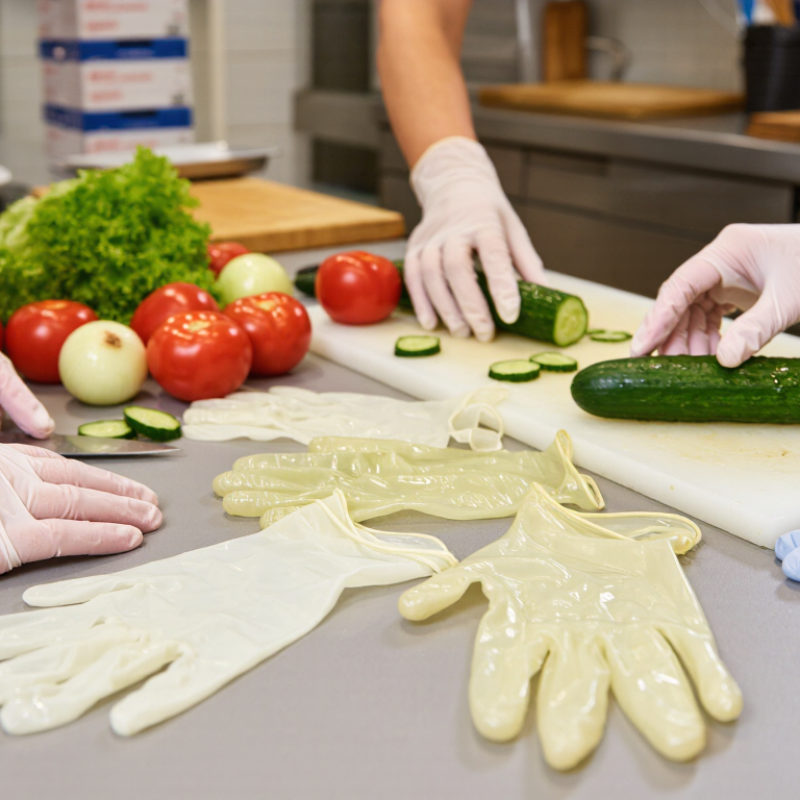
What Are the Top Types of PE Gloves in 2026?

What Are PE Gloves and What Materials Are They Made From?

What Are the Top Types of PE Gloves in 2026?

What Are PE Gloves and What Materials Are They Made From?

PE gloves are lightweight, loose-fitting disposable gloves made mainly from polyethylene, a thermoplastic resin. Manufacturers form the resin into thin film and heat-seal the edges. High-density polyethylene (HDPE) often feels crisp and crinkly; low-density polyethylene (LDPE) is usually softer and more flexible. Some products combine resin grades. Embossed dots or ridges can improve grip, though wet items may still slip.

Material choice matters. PlasticsEurope’s Plastics – the Fast Facts 2024 reports 413.8 million tonnes of plastics produced worldwide in 2023. That figure covers all plastics, not gloves, but reflects the scale of material supply behind everyday film products. Check thickness, seam quality, sizing, and task suitability. Thin PE gloves suit brief food handling or light cleaning, not demanding chemical protection. Appearance alone can mislead. A glossy glove may still split at the thumb seam.

Tips: Stretch a glove gently across the palm and inspect its sealed edge. If it tears easily, consider a thicker grade. Check product specifications. “PE” does not indicate one fixed strength; resin mix and film thickness can change how gloves feel and perform.


Which Main Types of PE Gloves Are Available in 2026?

PE gloves in 2026 mainly vary by material, surface, fit, and cuff length. High-density polyethylene gloves are usually thin and crisp, with a loose fit that makes them quick to pull on. Low-density polyethylene versions tend to feel softer and stretch more, though they may still tear under sharp or forceful handling. The difference matters during routine tasks. A glove that feels roomy can still split at the fingers.

Surface style is another key choice. Smooth gloves slide on easily and suit quick changes, while embossed gloves have raised patterns that can improve grip on damp packaging or slick produce. Not magic, though: texture cannot replace careful handling. Most PE gloves are ambidextrous, so either glove fits either hand. Some come with longer cuffs to cover more of the wrist, while colored options can help staff distinguish tasks at a glance.

Buyers should compare thickness, sizing, cuff design, and the manufacturer’s stated intended use. For example, a loose glove may work well for brief service tasks but feel awkward when picking up small items. Check the fit with the actual task, not just a product photo. PE gloves are generally a light-duty option, not a reliable choice for every cleaning or protection need. Labels deserve a close read; I have seen people overlook them.

How Do PE Glove Types Differ in Fit, Texture, and Durability?

What Are the Top Types of PE Gloves in 2026?

PE gloves mainly come in flat, embossed, and longer-cuff styles. Flat gloves slip on quickly and suit brief tasks, but their loose fit can bunch around the fingers. Embossed gloves have small raised patterns that improve grip on damp produce or smooth packaging. Longer cuffs offer extra coverage at the wrist, though they may feel awkward during fast hand movements. No single style fits every task.

Texture affects control. Embossing can help you hold a slick item, but it does not make a glove puncture-resistant. Thicker PE gloves may tolerate more handling, yet can feel less flexible. Thin gloves are easy to change and comfortable in warm conditions, but sharp edges can tear them. Check the glove’s intended use and replace it if you notice a split. Fit is often a compromise.

Tips: Try the glove with the items you handle most. Pinch a smooth container, then move your fingers as if tying a bag. If the glove twists or slips, consider a different size or texture. A quick test helps, though it cannot predict every tear.

What Are the Top Types of PE Gloves in 2026? — How Do PE Glove Types Differ in Fit, Texture, and Durability?

Glove Type Typical Fit Surface Texture Relative Durability Common Uses Practical Considerations
Flat polyethylene (PE) gloves Loose, generally ambidextrous fit; commonly offered in one-size or basic size options. Smooth, with little added grip. Low to moderate. Thin film can tear or puncture more easily than heavier glove materials. Brief food handling, deli counters, light cleaning, and other short tasks. Easy to put on and change, but the loose fit and smooth surface can make handling wet or slippery items difficult.
Embossed PE gloves Usually a loose, universal-style fit similar to flat PE gloves. Raised dots, diamonds, or other patterns create a more textured surface. Low to moderate. Embossing can improve handling, but it does not make thin film puncture-proof. Food service, produce handling, and tasks where a basic disposable glove needs extra surface grip. Texture may improve control over smooth items; grip still varies with the pattern, film thickness, and whether the glove or item is wet.
Cast polyethylene (CPE) gloves Often feels softer and more flexible than basic flat PE, while retaining a loose disposable-glove fit. Typically matte or lightly textured; surface finish depends on the product. Moderate for light-duty use. The material can feel more substantial than very thin flat PE, but is not intended for heavy-duty protection. Food preparation, hospitality, and light handling tasks requiring a more flexible PE-style glove. May be more comfortable for repeated short tasks, but fit and strength depend on the glove’s construction and thickness.
High-density polyethylene (HDPE) gloves Generally loose and lightweight; may feel less supple than softer PE constructions. Usually smooth or lightly textured, depending on the finish. Low to moderate. Strength depends on film thickness and construction; thin versions can split under stretching or snagging. Quick-change food-service tasks and other brief, low-risk applications. Often chosen for lightweight, economical use. Check the product’s stated thickness and intended-use guidance rather than relying on material name alone.
Long-cuff PE gloves Loose hand fit with an extended cuff that covers more of the wrist or forearm. Smooth or embossed, depending on the base glove. Varies with the underlying PE construction; the longer cuff adds coverage, not necessarily greater resistance to tearing or puncture. Tasks where extra sleeve coverage is useful, such as some food-handling or cleaning activities. Choose cuff length for the task and ensure it stays in place. Long cuffs do not replace chemical-resistant or cut-resistant gloves when those hazards are present.

How to compare: PE glove performance varies by thickness, manufacturing method, size, and surface pattern. These categories describe typical product characteristics, not guaranteed ratings. Check the product specification and applicable food-contact or workplace requirements for the intended use.

Where Is Each Type of PE Glove Commonly Used?

What Are the Top Types of PE Gloves in 2026?

Where Is Each Type of PE Glove Commonly Used?

PE gloves suit short, low-risk tasks where workers change gloves often. Thin, loose-fitting HDPE gloves are common at deli counters, bakeries, and produce sections. They slip on quickly when staff handle rolls, fruit, or ready-to-serve food. LDPE gloves feel softer and more flexible, making them useful for light food preparation and general service work. Fit still matters. A glove that bunches at the fingertips can make small items harder to pick up.

Embossed CPE gloves have a textured surface that can improve grip on damp packaging or chilled food. You may see them in food handling, catering, and cleaning tasks that need a little more control. TPE gloves often stretch more closely around the hand, so they can feel less baggy during repetitive preparation work. They are used in food service and other brief, low-risk tasks. Not always. A better fit does not automatically mean better protection; PE gloves are not designed for every exposure or prolonged wear.

Tips: Match the glove to the task, not just the price. Check that it fits, stays intact, and can be changed easily between tasks. If hands become sweaty or dexterity drops, pause and reassess the glove choice. Short trials in the actual work area can reveal issues that a product description misses.

How Can You Choose the Right PE Gloves for Your Needs?

Choosing PE gloves starts with the task, not the price. Loose-fitting polyethylene gloves suit quick changes during light food handling, such as assembling sandwiches or sorting produce. For longer tasks, check the glove’s thickness, cuff length, and embossed texture; a slick glove can make a wet tomato or deli container harder to hold. Fit matters. A glove that is too large may snag, while one that is too small can tear during use.

Match the material and construction to the work. High-density PE gloves are often thinner and economical for brief tasks; low-density versions tend to feel more flexible. Check the product specifications and food-contact suitability, since “PE” alone does not tell you how a glove performs.

The CDC estimates that 48 million people in the United States experience foodborne illness each year, underscoring the importance of careful food handling. Gloves are not a substitute for handwashing or changing gloves between tasks.

Consider purchasing format, too: dispenser-box gloves work well at busy prep stations, while bags may suit lower-volume areas. Grand View Research’s 2024 Disposable Gloves Market report valued the broader global market at about $25.2 billion in 2023; that figure covers multiple glove materials, not PE alone.

A common blind spot is buying one size for everyone. Test samples with dry and damp hands before ordering in bulk.

Article Source: