Top 10 Waste Water Removal Solutions for Global Buyers?
Waste water removal is a critical concern for industries worldwide. According to the United Nations, approximately 80% of global wastewater is released into the environment without adequate treatment. This stark reality emphasizes the need for efficient waste water removal solutions. In response, innovative technologies have emerged to tackle this global challenge.
Various methods are available for waste water removal. These range from traditional treatment plants to advanced filtration techniques. The market for water treatment technologies is projected to reach $400 billion globally by 2025, driven by increasing awareness of sustainability and regulatory pressures. However, challenges remain. Many regions lack infrastructure, making it difficult to implement effective waste water removal systems.
Additionally, the effectiveness of these solutions can vary. Factors such as local regulations and environmental conditions play significant roles. Policymakers and industry leaders must collaborate to enhance existing waste water removal methods. Continuous improvement is essential for achieving sustainable water management and protecting ecosystems. As buyers consider their options, prioritizing reliable and proven technologies will be crucial for future success.
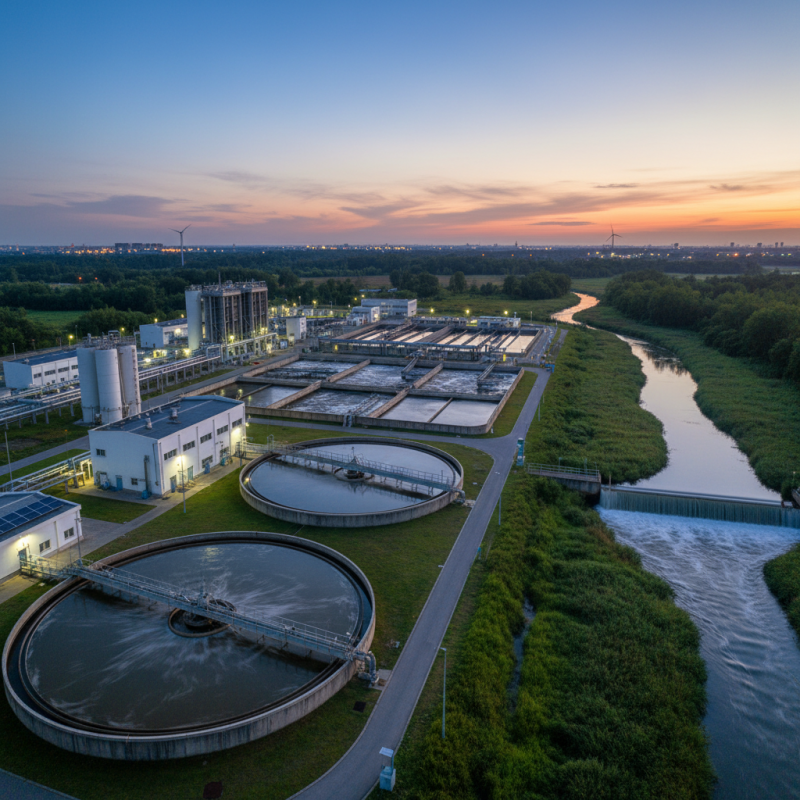
Overview of Waste Water Removal and Its Importance
Wastewater removal is vital in protecting our environment. It prevents pollutants from entering natural water bodies, ensuring ecosystem health. Efficient management of wastewater minimizes health risks and supports sustainable development. Many industries generate wastewater, making effective solutions critical for global buyers.
Innovative methods like biological treatment and filtration improve wastewater quality. These technologies reduce harmful substances and recover valuable resources. However, not all solutions suit every context. Different industrial processes may require tailored approaches to manage specific contaminants effectively. Buyers should understand their unique needs and limitations.
**Tips:** Assess your wastewater composition before selecting a solution. Consider scalability for future growth. Regular audits of your current methods can reveal improvements. Engaging with experts in the field can provide insights into the best practices. The ultimate goal is not only compliance but also enhancing environmental stewardship wherever possible.
Top 10 Waste Water Removal Solutions for Global Buyers
| Solution Type |
Technology Used |
Effectiveness (%) |
Typical Applications |
Cost Estimate ($/m3) |
| Activated Sludge |
Biological Treatment |
90 |
Municipal Sewage |
1.50 |
| Membrane Bioreactor |
Filtration + Biological |
95 |
Industrial Wastewater |
3.20 |
| Constructed Wetlands |
Natural Treatment |
85 |
Agricultural Runoff |
0.75 |
| Dewatering Press |
Mechanical Separation |
80 |
Sludge Reduction |
2.00 |
| Ozonation |
Chemical Treatment |
98 |
Odor Control |
4.50 |
| Reverse Osmosis |
Filtration |
99 |
Water Reclamation |
5.00 |
| Ultraviolet Treatment |
Disinfection |
98 |
Pathogen Elimination |
1.30 |
| Electrocoagulation |
Electrochemical Process |
90 |
Heavy Metal Removal |
3.00 |
| Biological Filtration |
Biofilms |
85 |
Aquaculture |
2.50 |
| Separator Technology |
Physical Separation |
88 |
Surface Water Treatment |
1.20 |
Types of Waste Water Removal Solutions Available Globally
Water treatment technologies have evolved significantly, addressing the growing need for effective wastewater removal solutions. Globally, various methods are used, including biological treatment, membrane filtration, and advanced oxidation processes. According to industry reports, the global wastewater treatment market is projected to reach $650 billion by 2027, driven by increasing industrial discharges and urbanization.
Biological treatment remains a popular choice, utilizing microorganisms to break down organic waste. It is cost-effective and energy-efficient, making it suitable for various applications. Membrane filtration, on the other hand, offers high efficiency and can remove pollutants down to the molecular level. Advanced oxidation processes are gaining traction, especially for removing pollutants that are resistant to conventional methods.
Tips: Always evaluate the specific needs of your facility before choosing a solution. Consider cost, efficiency, and environmental impact. Regular maintenance of wastewater systems is crucial for optimal performance and longevity. It's essential to stay updated on emerging technologies and regulatory changes, which can affect treatment requirements.
Exploring innovative options presents both opportunities and challenges. Some technologies may require significant upfront investment. Understanding local regulations and available resources is vital for compliance and effective waste management. Selecting the right solution could lead to substantial savings and sustainability benefits in the long run.
Top 10 Waste Water Removal Solutions
This chart illustrates the effectiveness of various waste water removal solutions on a scale of 1 to 10. The solutions listed are employed globally to enhance waste water treatment processes, showcasing different methods and their respective efficiencies.
Innovative Technologies in Waste Water Management
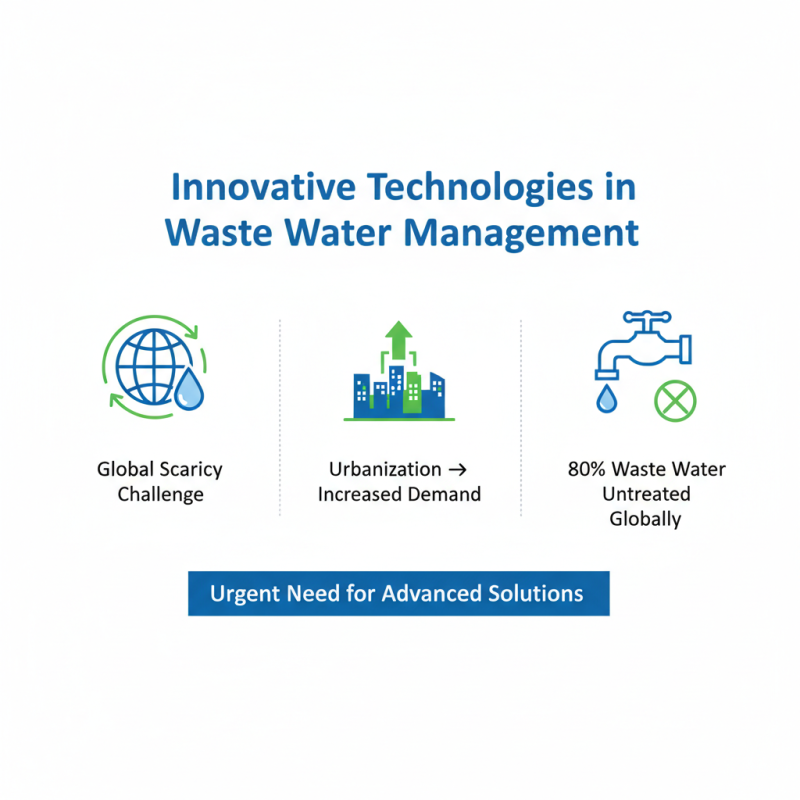
Innovative technologies in wastewater management have become essential in addressing global water scarcity. As urbanization increases, the demand for effective wastewater solutions rises. Reports indicate that approximately 80% of wastewater globally is discharged without treatment. This statistic highlights the urgent need for advanced methods.
Innovations such as membrane bioreactors (MBRs) show promise for enhancing treatment efficiency. MBRs combine biological treatment with membrane filtration, leading to higher water quality. Studies reveal that MBRs remove up to 99% of suspended solids. However, this technology is not universally applicable and can be costly.
Another noteworthy advancement is the use of artificial intelligence in monitoring wastewater treatment plants. AI systems can predict equipment failures, optimizing maintenance schedules. Yet, reliance on technology also raises questions about data accuracy and cybersecurity vulnerabilities. The balance between efficiency and security remains a challenge for the industry. In conclusion, while innovative solutions emerge, ongoing evaluation of their effectiveness and risk factors is crucial for sustainable wastewater management.
Environmental Impact of Waste Water Treatment Methods
Wastewater treatment methods significantly impact the environment. The process can lead to nutrient loading in waterways. For instance, excessive nitrogen and phosphorus can cause algal blooms. According to the Environmental Protection Agency (EPA), over 50% of U.S. lakes are affected by nutrient pollution from agricultural runoff and wastewater discharge.
Chemical treatment methods often use harsh substances. These can create byproducts that are harmful to aquatic life and human health. A study published in the Journal of Water Resources found that approximately 40% of treated wastewater still contains toxic substances. The release of these compounds raises concerns about the safety of drinking water sources.
Innovative approaches emerge. Constructed wetlands are one example. They use natural processes to treat water. Research shows they can reduce contaminants by up to 90%. However, these systems require land and maintenance. The balance between efficiency and environmental impact is crucial. Continued investment in research and development is needed to enhance wastewater treatment solutions while minimizing harm to ecosystems.
Best Practices for Selecting Waste Water Removal Solutions
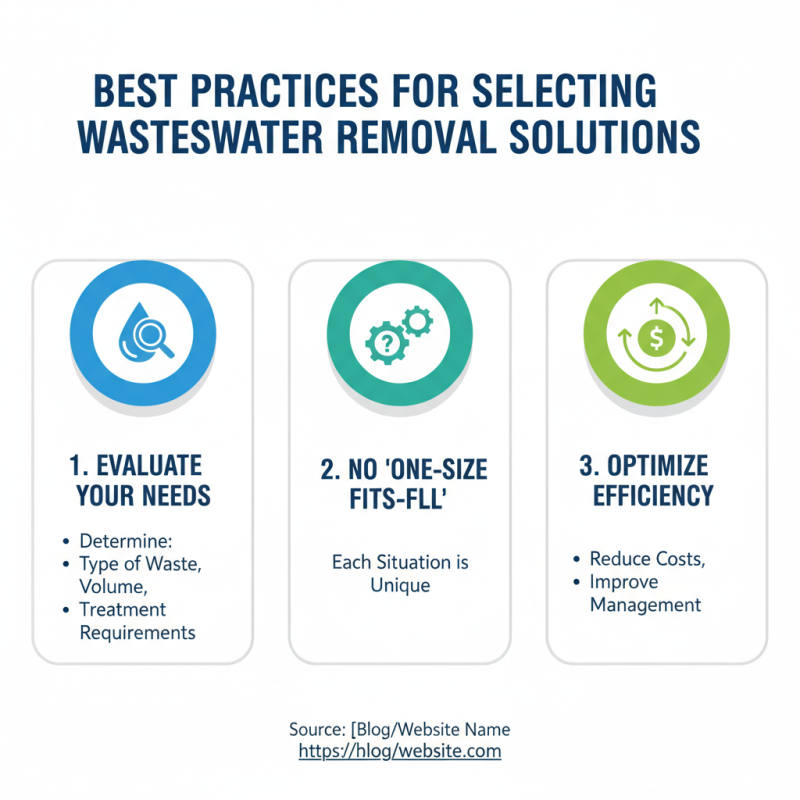
Choosing the right waste water removal solution is crucial for effective management. Start by evaluating your specific needs. Determine the type of waste, volume, and treatment requirements. Each situation is unique, and there is no one-size-fits-all solution. The right method can greatly improve efficiency and reduce costs.
Next, consider the technology used in waste water removal. Look for solutions that leverage advanced treatment methods. Techniques like membrane filtration or biological treatment often provide better results. It's essential to understand the pros and cons of each technology. Some might be more effective but also more costly or complex. Balancing cost and effectiveness can be challenging.
Finally, ensure that the provider you select has a proven track record. Request case studies or references from similar projects. Explore their compliance with local regulations. A reliable provider should have certifications and a commitment to sustainability. Be cautious of claims that sound too good to be true. Each provider's expertise can differ significantly. Taking the time for thorough research is vital.