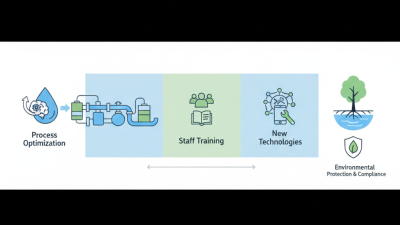
Top Waste Water Systems for Efficient Water Management Solutions?
Efficient water management is crucial today. Waste water systems play a vital role in this process. They help in treating and recycling water, supporting both the environment and communities.
Various waste water systems exist around the world. Some are highly advanced, while others are outdated. This gap highlights a need for improvement. Understanding which systems work best can guide us toward effective solutions.
Investing in modern waste water systems can yield significant benefits. Cleaner water leads to healthier ecosystems and communities. However, challenges remain. Many regions struggle with aging infrastructure and limited resources. Addressing these issues is essential for sustainable water management.
Top Waste Water Systems: An Overview of Industry Trends
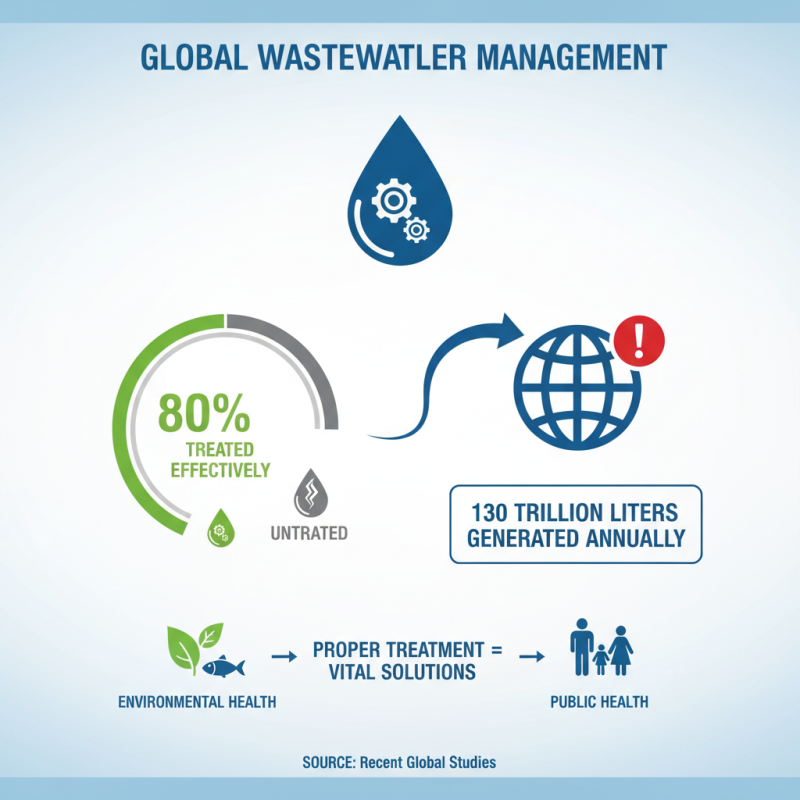
The management of wastewater is crucial for sustainable development. Recent studies indicate that around 20% of global wastewater is treated effectively. This leaves a significant amount untreated. Each year, approximately 130 trillion liters of wastewater is generated worldwide. Proper treatment solutions are vital for both environmental and public health.
Emerging trends show a shift towards decentralized treatment systems. These systems are cost-effective and tailored to local needs. In urban areas, the push for green infrastructure is gaining momentum. Reports suggest that cities adopting green technologies see up to a 30% reduction in stormwater runoff. However, challenges remain. Many regions still lack access to modern treatment facilities.
Technological advancements in filtration and membrane processes are promising. The global market for wastewater treatment is projected to grow at a compound annual growth rate of 6.5% from 2021 to 2028. Yet, investment in infrastructure is often inadequate. Public awareness and funding must improve to keep pace with the growing demand for clean water. Responsible management is not just a regulatory requirement; it is essential for future generations.
Key Technologies in Waste Water Treatment and Management
Efficient water management relies heavily on advanced wastewater treatment technologies. These systems aim to recover resources and minimize environmental impact. Aerobic treatment processes are common. They use microorganisms to break down organic matter in the presence of oxygen. Additionally, anaerobic systems are gaining attention. They operate without oxygen, producing biogas as a byproduct, which can be used for energy.
Membrane filtration technology has revolutionized wastewater management. It separates contaminants from water using porous membranes. While effective, it can be costly and requires careful maintenance. Another innovative approach is the use of constructed wetlands. These natural systems mimic the function of wetlands to treat wastewater. However, they necessitate adequate land space and may not suit every region.
Moreover, advanced monitoring systems play a crucial role. Real-time data can help in decision-making. However, the reliance on technology raises concerns about data privacy and system vulnerabilities. It's essential to balance innovation with practicality. Finding an optimal solution can be challenging, as every community has unique needs. It's a continuous journey toward better water management.
Top Waste Water Systems for Efficient Water Management Solutions
| Technology |
Treatment Process |
Efficiency Rate (%) |
Energy Consumption (kWh/m³) |
Maintenance Frequency (Months) |
| Activated Sludge |
Biological Treatment |
95 |
0.5 |
6 |
| Membrane Bioreactor (MBR) |
Advanced Biological Treatment |
98 |
0.6 |
12 |
| Sequencing Batch Reactor (SBR) |
Batch Biological Treatment |
90 |
0.4 |
8 |
| Reverse Osmosis (RO) |
Membrane Separation |
99 |
3.0 |
24 |
| Constructed Wetlands |
Natural Treatment |
85 |
0.2 |
36 |
Comparative Analysis of Efficiency in Waste Water Treatment Systems
In recent studies by the Water Environment Federation, efficient waste water treatment systems have been identified as crucial for sustainable water management. These systems can reduce pollutants by up to 90%, significantly improving water quality. However, not all systems perform equally well under varying conditions, which raises the need for ongoing evaluation.
A comparative analysis reveals that certain technologies, like membrane bioreactors, show impressive removal rates. Yet, other systems, such as conventional activated sludge processes, often struggle with higher operational costs. It is worth noting that while these traditional methods have been widely used, they can lag in efficiency and energy consumption compared to newer technologies. This disparity highlights the need for continuous innovation and adaptation within the industry.
Data from the International Water Association suggests that improving waste water treatment can save cities up to 30% in energy costs. Nevertheless, many municipalities face challenges in upgrading their infrastructures. These obstacles can hinder progress and make achieving optimal efficiency difficult. Exploring new solutions while critically analyzing existing systems will be vital for advancing waste water management.
Top Waste Water Systems for Efficient Water Management Solutions
Sustainability Metrics: Assessing the Impact of Water Treatment Solutions
Sustainable water management is crucial in today's resource-strained environment. Water treatment solutions must be evaluated not just for efficiency but also for their sustainability impact. A report by the International Water Association (IWA) highlights that efficient wastewater systems can reduce environmental footprints by over 70%. This metric shows the potential of advanced treatment technologies in minimizing pollution.
However, sustainability metrics can often be complex. For instance, energy consumption in wastewater treatment plants typically accounts for up to 30% of their operational costs. It raises questions about the balance between treatment effectiveness and energy use. Jurisdictions are now urged to adopt circular economy principles, which advocate for resource reuse and reduced waste. While some systems excel at nutrient recovery, others struggle with chemical residues, highlighting uneven performance across industries.
Data suggest that optimizing water treatment processes can yield tangible benefits. A comprehensive analysis indicates that implementing membrane bioreactors can achieve over 90% elimination of contaminants. Yet, the installation costs remain a hurdle for widespread adoption. As companies consider long-term sustainability, the challenge lies in integrating innovative technologies with cost-effective solutions. Only then will water treatment systems truly align with global sustainability goals.
Future Innovations: Emerging Technologies in Water Waste Management
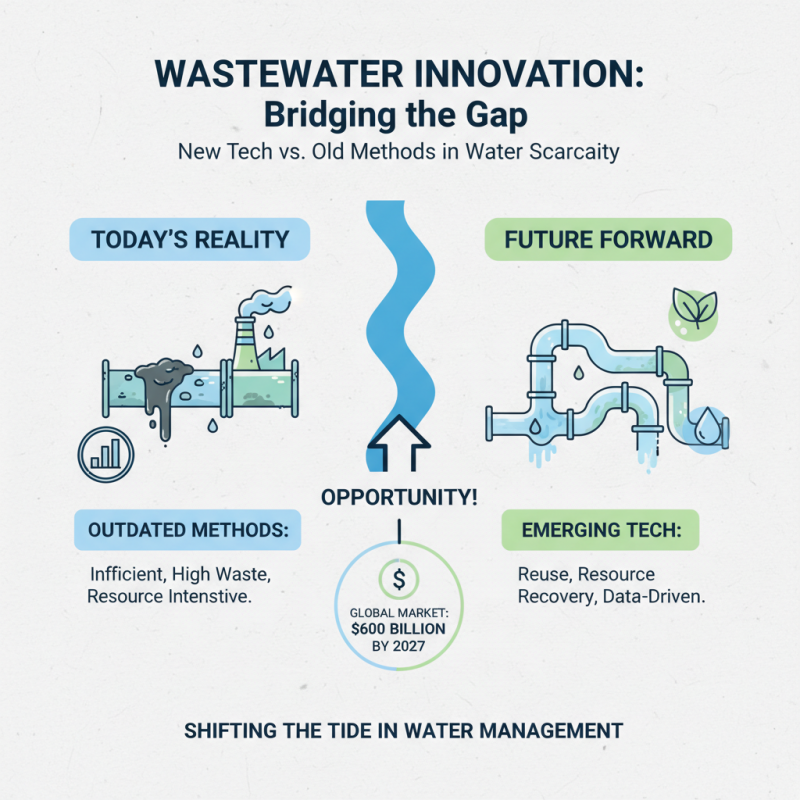
Emerging technologies in wastewater management are shifting how industries approach water scarcity. The global wastewater treatment market will reach $600 billion by 2027, according to a recent report. Yet, many facilities still rely on outdated methods. This gap highlights significant opportunities for innovation.
One notable innovation is membrane bioreactor (MBR) technology. MBRs combine biological treatment and membrane filtration, resulting in high-quality effluent. Studies show MBR systems can reduce energy consumption by 30% compared to conventional methods. However, implementing such systems is costly and requires skilled operators. Training remains a challenge in many regions.
Smart water management systems are also on the rise. They utilize IoT sensors to monitor water quality and usage in real-time. Reports indicate that these systems can improve efficiency by up to 40%. Still, the data collected can be overwhelming. Companies struggle with interpreting and acting on this information, which can lead to missed opportunities for optimization.
While these technologies promise significant benefits, obstacles remain. There is a need for greater investment and awareness. Addressing these issues could pave the way for more sustainable water practices in the future.