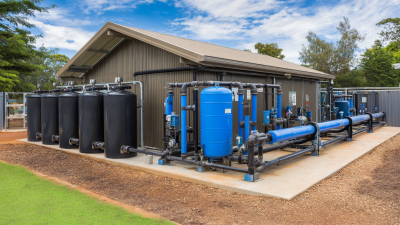
Top Waste Water Treatment Systems for Sustainable Solutions?
Water scarcity affects over 2 billion people globally. This challenge highlights the importance of effective waste water treatment systems. Advanced solutions play a crucial role in managing our water resources. According to a recent report by the Global Water Intelligence, the waste water treatment market is expected to surpass $300 billion by 2025.
Many cities struggle with outdated treatment facilities. These aging systems lead to inefficiencies and environmental issues. Innovative waste water treatment systems can reduce water pollution and maximize resource recovery. Adopting sustainable practices is essential for future generations. Contacting environmental experts for tailored solutions can significantly improve local water quality.
However, not all systems are equally effective. Some technologies may require high energy inputs or lack scalability. Thus, selecting the right solution is crucial. Regular assessments and updates can enhance system performance. Ultimately, balancing technological advancements with environmental responsibilities is a constant challenge in waste water management.
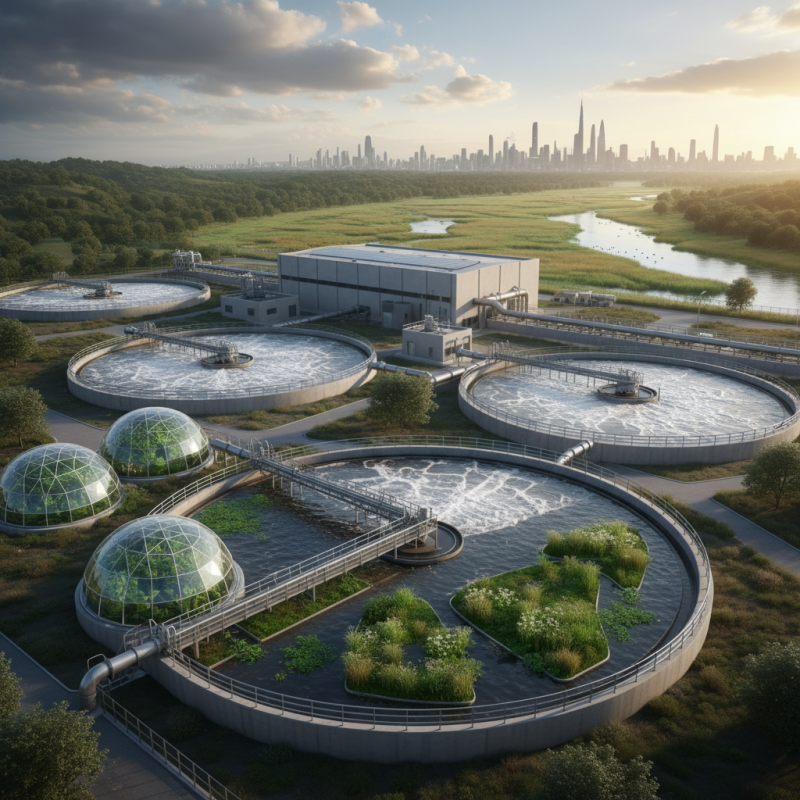
Overview of Waste Water Treatment Systems and Their Importance
Wastewater treatment systems play a crucial role in environmental sustainability. They help remove harmful contaminants from wastewater, preventing pollution. This process is essential for protecting water sources. Clean water is vital for drinking, agriculture, and ecosystem health. However, many people overlook its importance.
There are different types of wastewater treatment systems. Some use biological processes, while others rely on chemical treatments. Each method has its pros and cons. For instance, biological systems are often cost-effective. Yet, they may require more space and time to achieve desired results. On the other hand, chemical treatments can be faster, but they may produce harmful byproducts.
Communities face challenges in adopting these systems. Often, outdated technologies are still in use. Investment in modern infrastructure is crucial but can be costly. Public awareness is also low. Many individuals do not recognize their role in wastewater management. Awareness can drive collective action for improvement. Each step toward better treatment systems matters, but big changes are still needed.
Top Waste Water Treatment Systems for Sustainable Solutions
Key Technologies in Waste Water Treatment for Sustainable Solutions
Wastewater treatment is essential for a sustainable future. Innovative technologies are critical for effective processes. One method gaining attention is membrane bioreactor (MBR) technology. MBR combines biological treatment and membrane filtration. It produces high-quality effluent and reduces space requirements.
Another promising approach is constructed wetlands. These systems mimic natural processes. They utilize plants and soil to treat wastewater. Constructed wetlands can be cost-effective and environmentally friendly. However, their efficiency often depends on climatic conditions and maintenance. This poses challenges for implementation in varied regions.
Advanced oxidation processes (AOPs) are also noteworthy. AOPs break down pollutants using powerful oxidants. This technology can target even trace organic contaminants. Yet, their high energy consumption raises concerns about sustainability. Balancing efficiency and energy use remains a challenge. As technologies evolve, ongoing reflection on their impact is crucial. Each solution needs assessment for long-term viability.
Top Waste Water Treatment Systems for Sustainable Solutions
| Technology |
Description |
Efficiency (%) |
Energy Consumption (kWh/m³) |
Application |
| Activated Sludge Process |
A widely used method that employs microorganisms to decompose organic pollutants. |
85 |
0.5 |
Municipal Wastewater |
| Membrane Bioreactor |
Combines biological treatment and membrane filtration for better effluent quality. |
92 |
0.8 |
Industrial Wastewater |
| Constructed Wetlands |
Natural treatment systems designed to mimic the filtration functions of wetlands. |
75 |
0.2 |
Small Communities |
| Dissolved Air Flotation |
Uses air bubbles to remove suspended solids and oils from wastewater. |
80 |
0.6 |
Food Processing |
| Anoxic/Aerobic Treatment |
A sequential process that promotes nutrient removal through varying oxygen levels. |
90 |
0.7 |
Nutrient-Rich Effluent |
Advantages of Advanced Waste Water Treatment Systems
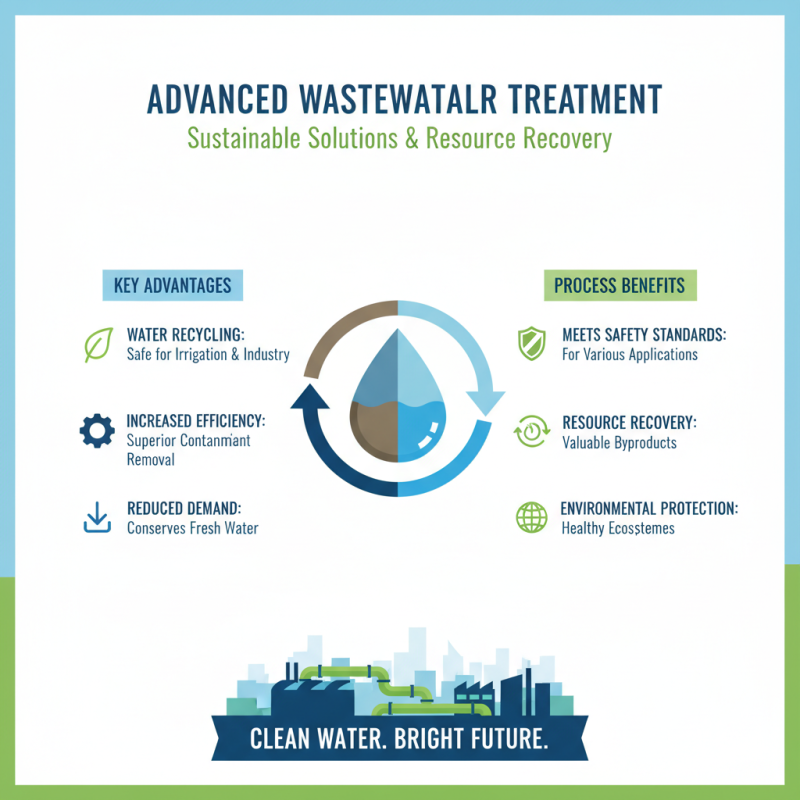
Advanced waste water treatment systems present numerous advantages that contribute to sustainable solutions. One major benefit is the ability to recycle water effectively. Facilities can treat and purify waste water, turning it into a safe resource for irrigation or industrial processes. This reduces the demand for fresh water. Increased efficiency in removing contaminants ensures that the treated water meets safety standards for various applications.
Another notable advantage is the reduction of environmental impact. Advanced systems often utilize innovative technologies, such as membrane filtration and biological treatment methods. These processes minimize the discharge of harmful substances into rivers and oceans. However, there are challenges. Initial costs for installation can be high, and ongoing maintenance requires expertise. Communities must weigh the pros and cons of investing in these systems.
Additionally, public awareness and education play crucial roles in maximizing the benefits. People may be hesitant to embrace treated water for reuse, despite its safety. By fostering a better understanding of waste water treatment, communities can encourage more sustainable practices. As we innovate in waste water management, ongoing dialogue and reflection on these systems are essential for improvement.
Challenges and Innovations in Waste Water Treatment Processes
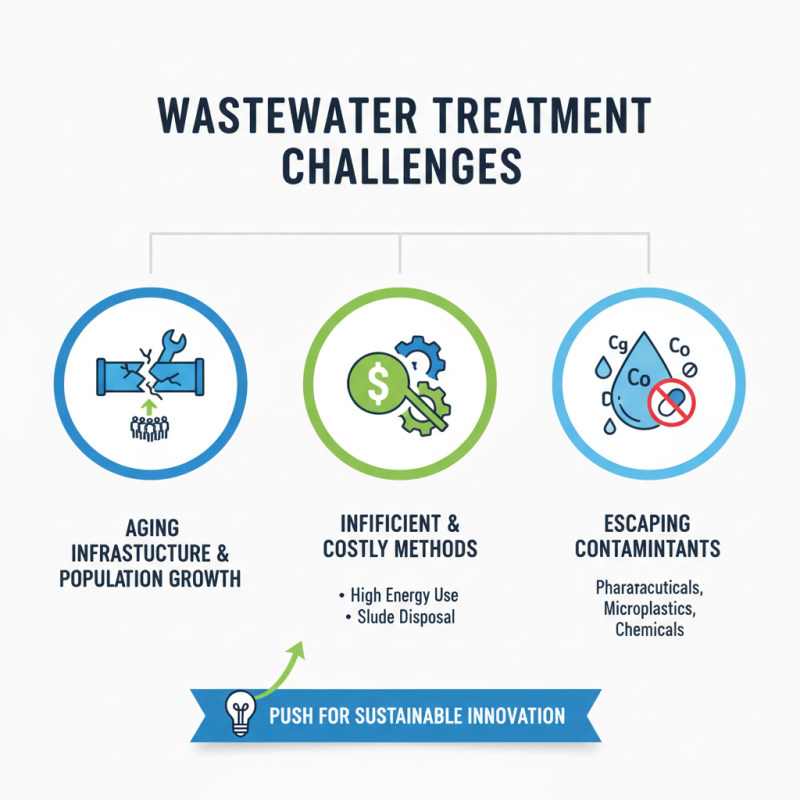
In wastewater treatment, challenges abound. Aging infrastructure struggles to keep up with population growth. Traditional methods can be inefficient and costly. Contaminants like pharmaceuticals often escape removal. As the world pushes for sustainable solutions, innovation becomes critical.
New techniques show promise, yet they face hurdles. Advanced oxidation processes, for example, can break down stubborn pollutants. However, they require energy and resources that may not always be available. Exploring decentralized systems offers flexibility but raises questions about standardization and monitoring.
**Tip:** Regular maintenance of treatment systems can prevent outages and inefficiencies. Keeping equipment in top shape ensures continuity and reliability.
Innovations such as bioreactors and membrane technologies are evolving. These systems may offer better removal rates but can be expensive to implement. Balancing cost and environmental impact remains a significant challenge. The need for effective strategies is pressing as water scarcity issues increase.
**Tip:** Consider recycling wastewater for non-potable uses. This practice can significantly reduce overall water demand. Being mindful of our water resources is crucial for a sustainable future.
Future Trends in Sustainable Waste Water Management Solutions
Sustainable waste water management is gaining traction worldwide. Experts predict that by 2025, the global market for waste water treatment will exceed $300 billion. This reflects growing awareness and demand for eco-friendly solutions. Advanced technologies like membrane bioreactors and anaerobic digestion are revolutionizing the industry.
Reports indicate that nearly 80% of waste water is released untreated, contributing to severe environmental issues. This stark reality emphasizes the need for innovative practices. Although many treatment plants now utilize natural systems, like constructed wetlands, challenges remain in optimizing efficiency and reducing costs.
Emerging trends include decentralized treatment systems, which allow for localized waste management. Such systems can reduce transportation costs and energy use. However, their implementation faces hurdles, such as regulatory barriers and public acceptance. Balancing innovation with practical application remains a pressing concern in the journey toward sustainable waste water management.