Top 10 Water Treatment Plants for Home Use You Should Consider
When it comes to ensuring the safety and quality of the water we consume at home, a water treatment plant for home use can be an indispensable solution. In an age where contamination and pollutants pose increasing risks to health and well-being, selecting the right water treatment plant becomes essential for every household. These systems not only purify water but also enhance its taste and odor, making it more enjoyable for daily consumption.
As we navigate the myriad options available on the market, understanding the specific needs of your household is crucial. Whether you are dealing with hard water, chlorine taste, or concerns about contaminants, there exists a variety of treatment solutions tailored to address these issues effectively. This article will explore the top 10 water treatment plants for home use that you should consider, highlighting their features, benefits, and what to look for in a system that best suits your family's requirements. Ultimately, investing in a suitable water treatment plant will ensure that you enjoy clean, safe, and refreshing water every day.
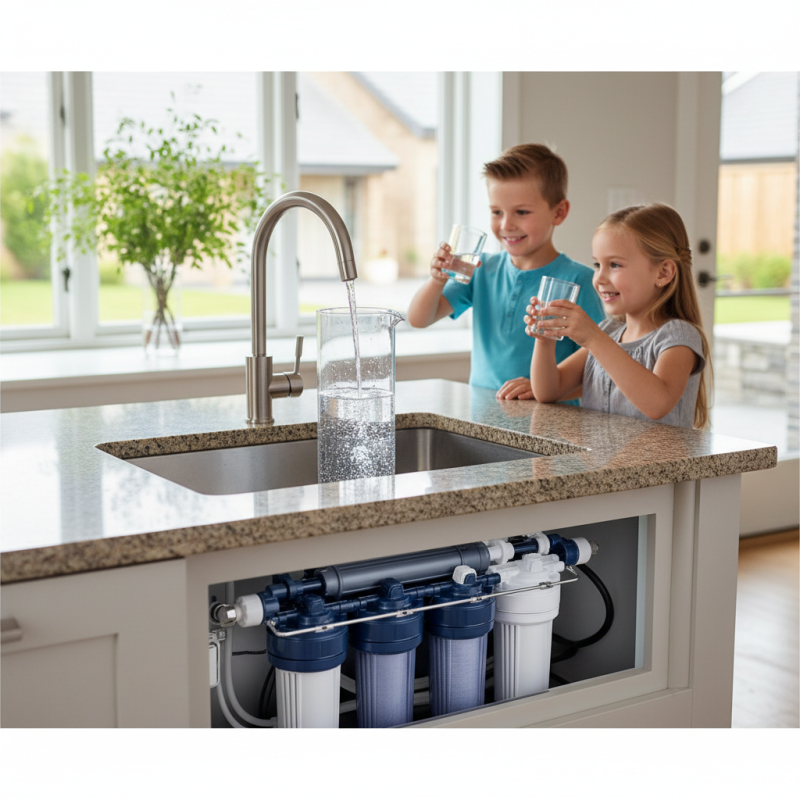
Overview of Home Water Treatment Options
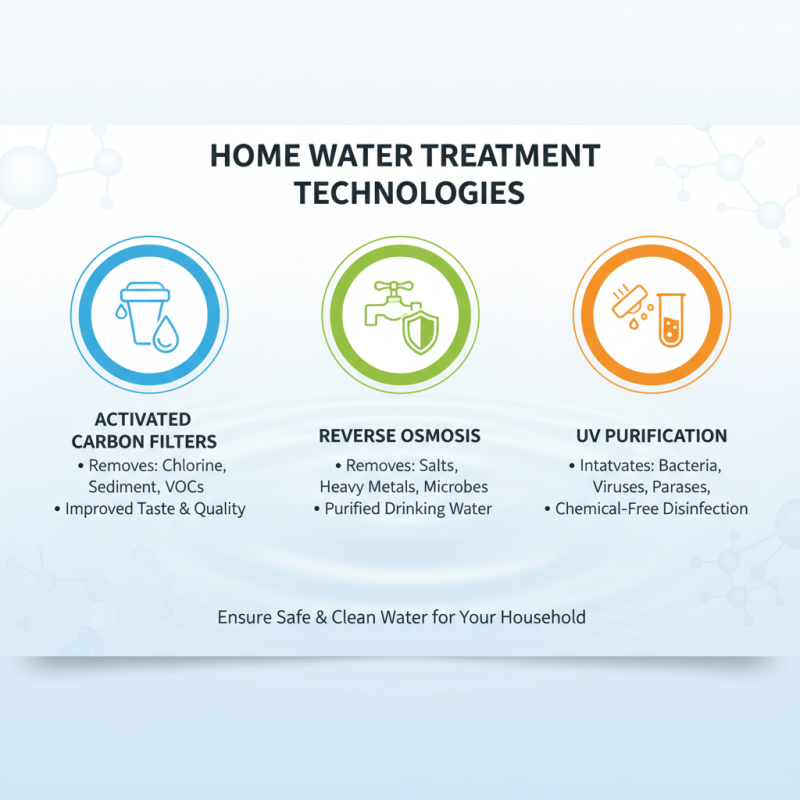
When considering home water treatment options, it is essential to understand the various technologies available to ensure safe and clean drinking water. One popular method is the use of activated carbon filters, which effectively remove contaminants like chlorine, sediment, and volatile organic compounds. These filters enhance water taste and quality, making them a common choice for households seeking an affordable and low-maintenance solution.
Another effective option is reverse osmosis systems, which utilize a semi-permeable membrane to separate impurities from water. This method can eliminate a wide range of contaminants, including heavy metals, bacteria, and minerals, providing purified water that is safe for consumption. Although reverse osmosis systems can be more expensive and require periodic maintenance, they offer a high level of purification, making them ideal for families concerned about water quality.
Ultraviolet (UV) purification is also gaining traction as a reliable home water treatment method. UV systems work by exposing water to ultraviolet light, effectively neutralizing harmful microorganisms without the use of chemicals. This innovative approach is particularly beneficial for homes relying on well water or those in areas with known water contamination issues. Each of these treatment options provides unique advantages, allowing homeowners to choose the most suitable solution for their specific needs and preferences.
Criteria for Selecting the Best Water Treatment Plant
When selecting the best water treatment plant for home use, several key criteria should be taken into account to ensure optimal performance and reliability. Firstly, it's essential to assess the type of contaminants present in your water supply. Conducting a thorough water quality test can help identify issues such as excessive minerals, bacteria, or organic compounds. This information will guide you in choosing a treatment plant that specifically targets those contaminants effectively.
Another important factor is the plant's capacity and flow rate. Depending on the size of your household and your daily water usage, you will need a system that can handle the demand without delay. Additionally, consider the technology employed in the water treatment plant. Options such as reverse osmosis, UV purification, or activated carbon filtration each have unique advantages and drawbacks. Understanding these technologies will help you select a system that aligns with your water treatment needs and lifestyle preferences, ensuring you have access to clean, safe water in your home.
Top 10 Water Treatment Plants for Home Use
Top 10 Water Treatment Plants: A Comprehensive Review
When it comes to ensuring clean and safe drinking water at home, selecting the right water treatment plant is crucial. A comprehensive review of the top water treatment plants for home use reveals a variety of technologies designed to meet different water quality needs and household sizes. These systems employ methods such as reverse osmosis, ultraviolet purification, and activated carbon filtration, each serving to effectively remove contaminants, odors, and unpleasant tastes from tap water.
Understanding the specifics of each system is essential for homeowners. For example, some plants are equipped with multi-stage filtration systems that can significantly reduce heavy metals and chlorine, while others focus on enhancing mineral content. Additionally, factors like installation requirements, maintenance needs, and operational costs can vary widely, making it imperative to consider these elements in a buying decision. Whether you prioritize efficiency, sustainability, or advanced filtration capabilities, reviewing the comprehensive features of these top contenders can help you make an informed choice in securing safer drinking water for your family.
Comparative Analysis of Features and Costs
When considering a home water treatment plant, it's essential to perform a comparative analysis of features and costs to find the best fit for your needs. Many systems vary significantly, with some focusing on reverse osmosis, while others may prioritize ultraviolet purification or activated carbon filtration. Evaluating the technology employed by each system can help determine which features are most important for your household, such as the ability to remove specific contaminants, filter lifespan, or ease of maintenance.
In terms of cost, the initial investment can range widely depending on the system's capabilities and brand reputation. It's important to consider not only the upfront costs but also the long-term expenses associated with filter replacement, energy consumption, and maintenance. Some systems may appear cheaper at first glance, but higher maintenance costs or frequent filter changes can lead to a greater total expense over time. By carefully analyzing both the technical features and the associated costs, homeowners can make an informed decision, ensuring that they choose a water treatment plant that meets their requirements without overspending in the long run.
Installation and Maintenance Considerations for Home Systems
When considering a home water treatment system, installation and maintenance are crucial factors that cannot be overlooked. The initial setup process typically involves assessing your existing plumbing and identifying the most suitable location for the water treatment unit. Depending on the type of system, whether it's a reverse osmosis, carbon filtration, or UV purification unit, proper spacing and access to power sources may be required. It's recommended to consult with professionals who can guide you through the installation process, ensuring that all local codes and safety standards are adhered to.
Maintenance of water treatment systems is vital for long-term effectiveness and efficiency. Regular filter changes, cleaning, and system checks will help prevent issues like clogging or contamination. Homeowners should refer to the manufacturer’s guidelines for maintenance schedules specific to their systems. Additionally, periodic testing of water quality can be conducted to ensure that the treatment process is functioning as intended. Keeping an organized record of inspections and maintenance activities can help track the system's performance and identify any necessary repairs promptly. By staying proactive, homeowners can extend the lifespan of their water treatment systems and maintain clean, safe water for their families.
Top 10 Water Treatment Plants for Home Use You Should Consider
| Plant Type |
Filtration Method |
Capacity (GPD) |
Installation Difficulty |
Maintenance Frequency |
| Reverse Osmosis |
Membrane filtration |
50 |
Medium |
Every 6 months |
| UV Filter |
UV light |
30 |
Low |
Annually |
| Activated Carbon |
Carbon blocks |
20 |
Low |
Every 3 months |
| Water Softener |
Ion exchange |
50 |
Medium |
Every 6 months |
| Ceramic Filter |
Ceramic material |
20 |
Low |
Every 12 months |
| Whole House Filter |
Multi-stage |
100 |
High |
Every 6 months |
| Distillation Unit |
Distillation |
10 |
Medium |
Every 12 months |
| Inline Filter |
Sediment filter |
30 |
Low |
Every 6 months |
| Point of Use Filter |
Multi-stage |
15 |
Low |
Every 6 months |
| Hydration Station |
Combination system |
40 |
Medium |
Every 3 months |