Top Water Waste Treatment Solutions for Global Buyers?
In addressing the challenges of water waste treatment, industry experts emphasize the urgent need for innovative solutions. Dr. Emily Chen, a leading authority in environmental engineering, once stated, "Effective water waste treatment is essential for sustainable development." This highlights the critical role such technologies play in both ecological health and resource management.
The global landscape for water waste treatment is evolving rapidly. Many regions face significant water scarcity and pollution. Traditional methods may fall short, necessitating the exploration of advanced technologies. Innovative solutions like membrane bioreactors and advanced oxidation processes have begun to gain traction. These methods promise enhanced efficiency and reduced environmental impact.
Yet, the journey is not without challenges. Implementation costs can be high, and many communities lack access to cutting-edge facilities. Sustainable development requires collaboration among governments, businesses, and research institutions. Each stakeholder must critically assess the best practices. This continuous reflection is key to addressing the complexities of water waste treatment in a changing world.
Current Challenges in Global Water Waste Treatment
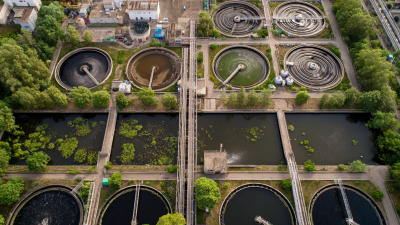
The global water waste treatment sector faces numerous challenges. One major issue is the growing volume of wastewater generated by urbanization. Cities are expanding rapidly, leading to overwhelmed treatment facilities. Many systems are outdated, unable to handle increased demand. This creates environmental hazards, affecting local ecosystems.
Another pressing challenge is the lack of uniform standards for water quality. Different regions have varying regulations, which complicates treatment processes. Without consistent guidelines, achieving effective treatment becomes difficult. Additionally, financial constraints hinder investment in modern technologies. Many facilities struggle to secure funding, limiting their ability to upgrade systems.
Inadequate public awareness also contributes to the problem. Many individuals underestimate the importance of water waste treatment. This negligence results in poor waste management practices, exacerbating pollution levels. Communities must engage in proper education. Promoting sustainable practices can lead to more efficient treatment solutions. Addressing these challenges is crucial for a sustainable future in water management.
Innovative Technologies for Efficient Water Waste Management
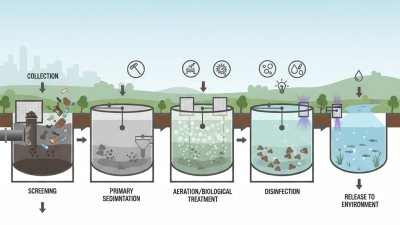
Innovative technologies play a crucial role in efficient water waste management. Globally, numerous methods are evolving to treat and recycle wastewater. These methods help reduce environmental impact and conserve precious water resources. One approach involves advanced filtration techniques. These techniques can remove contaminants without damaging water's essential qualities.
Another notable solution is the use of biological treatment. Microorganisms break down organic matter naturally. This process not only cleans the water but also minimizes chemical usage. It can enhance nutrient removal, making it an eco-friendly option. However, challenges exist. Biological methods require precise conditions and monitoring for optimal performance.
Membrane technologies have gained traction too. They provide separation of unwanted substances effectively. Yet, fouling can limit their efficiency over time. Regular maintenance is essential to ensure consistent results. Stakeholders must weigh these advantages and limitations when choosing solutions. Addressing water waste issues requires a commitment to innovation and flexibility in approach. Many effective technologies are available, but ongoing improvement is necessary.
Key Players in the Global Water Waste Treatment Market
The global water waste treatment market is integral in addressing environmental challenges. Many key players strive to develop innovative solutions. Their expertise drives advancements in treatment technologies. This sector focuses on reducing pollutants and enhancing water recycling.
Companies often collaborate with municipalities and industries. They provide tailored solutions for wastewater management. Experience and specialization are crucial in offering effective treatments. However, even established players face hurdles in scaling their systems. Regulatory changes can create uncertainty. Adapting to evolving standards is vital.
Investing in research and development remains essential. The market demands constantly improve. Sustainability is a priority, yet implementing new technologies is sometimes slow. Emerging technologies often require validation. New approaches may struggle with acceptance in existing infrastructures. This continuous challenge highlights the need for ongoing dialogue and innovation.
Global Water Waste Treatment Market Overview
Sustainable Practices and Solutions for Water Treatment
The urgency of sustainable water treatment solutions cannot be overstated. Many industries still rely on traditional methods, which often lead to water wastage and environmental degradation. New technologies and practices focus on minimizing this impact. Innovations in membrane filtration and bioremediation have emerged, showcasing the importance of efficiency and environmental responsibility.
Adopting sustainable practices involves continuous learning and adaptation. It requires not just technology but also changes in mindset. One such practice is the recycling of greywater. This process offers a way to reduce freshwater consumption, but many organizations struggle to implement it effectively. Training and awareness are crucial.
Monitoring water quality is also vital. Many systems fail to integrate real-time data collection. This leads to inefficiencies and potential health risks. Ensuring reliable purification requires a comprehensive approach, blending research, development, and practical application. As global demand for clean water grows, businesses must reflect on their methodologies. Embracing a holistic view of water management is essential for future sustainability.
Top Water Waste Treatment Solutions for Global Buyers
| Solution Type |
Technology |
Treatment Capacity (m³/day) |
Application |
Sustainability Features |
| Biological Treatment |
Activated Sludge Process |
2000 |
Municipal Sewage |
Low energy consumption |
| Membrane Technology |
Reverse Osmosis |
1000 |
Industrial Wastewater |
Water recycling and reuse |
| Chemical Treatment |
Coagulation and Flocculation |
500 |
Stormwater Management |
Reduced chemical use |
| Physical Treatment |
Dewatering |
1500 |
Sludge Management |
Minimized waste generation |
| Advanced Oxidation |
UV and Ozone Treatment |
800 |
Pharmaceutical Waste |
Disinfection and pollutant destruction |
Future Trends in Water Waste Treatment Solutions
The growing global water crisis necessitates effective waste treatment solutions. According to a 2023 report from the International Water Association, nearly 2.2 billion people lack reliable access to clean water. This highlights the urgent need for innovative strategies in water waste treatment.
One future trend is the integration of smart technologies. Sensors and data analytics can optimize treatment processes and enhance monitoring. Reports indicate that these technologies can improve operational efficiency by up to 25%. However, implementing such solutions can be costly for many municipalities. The challenge lies in balancing investment with accessibility.
Sustainability is another critical focus. The shift towards circular water management is gaining momentum. This approach emphasizes reusing and recycling wastewater. A 2022 study revealed that adopting circular methods could reduce water extraction by 30% in urban areas. Yet, the practical application of these techniques often requires systemic changes that some regions struggle to achieve. It invites reflection on the effectiveness of current infrastructures and long-term planning strategies.