How to Understand the Waste Water Treatment Process Explained Simply
Understanding the waste water treatment process can seem daunting. However, breaking it down into simpler concepts can help. Waste water is not just dirty water; it contains various pollutants and harmful substances.
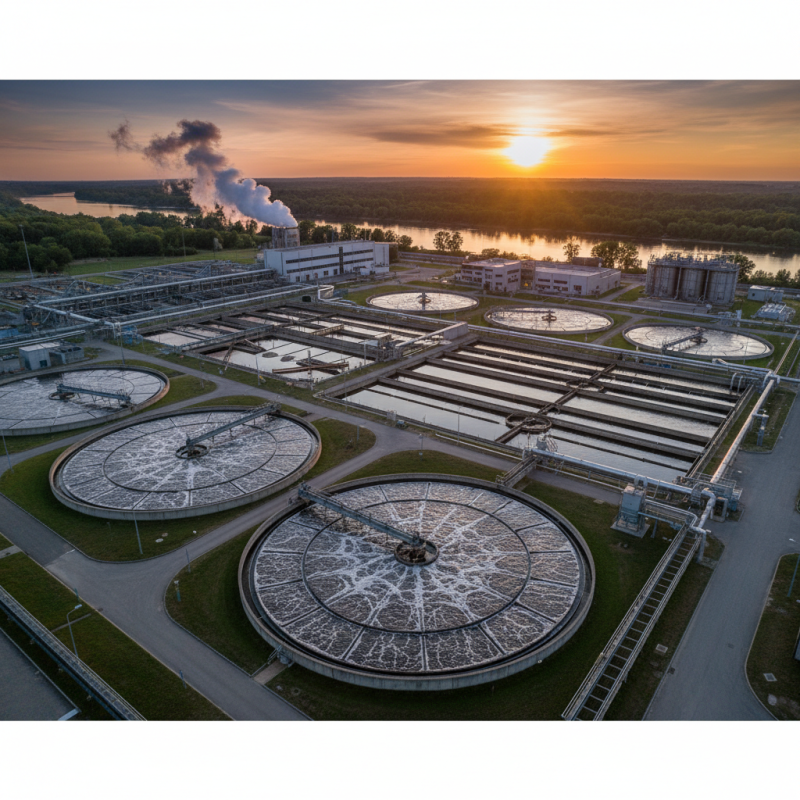
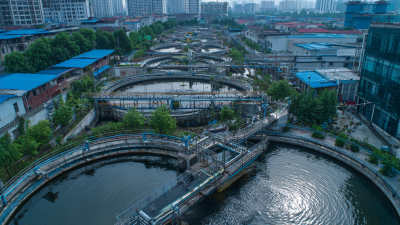
The waste water treatment process involves several stages. Each stage serves a purpose in removing contaminants. For instance, physical, chemical, and biological methods are employed to purify water. Tanks, filters, and aeration are tangible parts of this process. Yet, despite advanced technology, challenges persist.
Learning about this process is crucial. It highlights our responsibility toward water conservation. Many people overlook the significance of efficient waste water management. Reflecting on this can inspire positive change. Understanding the waste water treatment process encourages active participation in cleaning our environment.
Understanding Wastewater: Definition and Importance
Wastewater is the used water that we produce from our daily activities. It comes from homes, industries, and stormwater.
Understanding wastewater is crucial because it directly affects our environment and health.
Untreated wastewater can contaminate water bodies, leading to serious ecological damage.
The treatment process is vital for ensuring clean water is returned to nature. Various stages are involved, such as
screening, sedimentation, and biological treatment. Each step aims to remove pollutants,
making water safe for release. However, not all wastewater is handled equally. Sometimes, facilities struggle with
outdated equipment or insufficient processes.
Tips: Regular checks can improve treatment efficiency. Encourage community involvement in local initiatives
to reduce wastewater pollution. Simple habits, like minimizing chemicals in households, can significantly help.
Real change starts with awareness and dedication to doing better. Even small steps count
towards a cleaner environment.
The Wastewater Treatment Process: An Overview
The wastewater treatment process is essential for maintaining environmental health. It involves several key stages: preliminary treatment, primary treatment, secondary treatment, and sometimes tertiary treatment. In the preliminary stage, large solids are removed. This could be anything from sticks to plastics. At this point, only approximately 50% of all solid materials have been removed.
In 2020, the EPA reported that around 34 billion gallons of wastewater is treated daily in the U.S. alone. Effective methods reduce pollutants significantly. When treated, less than 5% of harmful pathogens remain in the water, making it safer for release back into the environment. Yet, challenges still exist. Aging infrastructure can lead to leaks, and not all plants use advanced technologies.
Tips: Regular maintenance of treatment plants is crucial for efficiency. Proper waste disposal awareness can reduce the load on treatment facilities. Furthermore, community involvement is vital in promoting better habits. Together, we can keep our water clean and safe for everyone.
Wastewater Treatment Process Overview
This bar chart illustrates the efficiency of various stages in the wastewater treatment process, demonstrating how effectively contaminants are removed at each stage. The stages include Preliminary Treatment, Primary Treatment, Secondary Treatment, and Tertiary Treatment, with the respective efficiency rates shown in percentage.
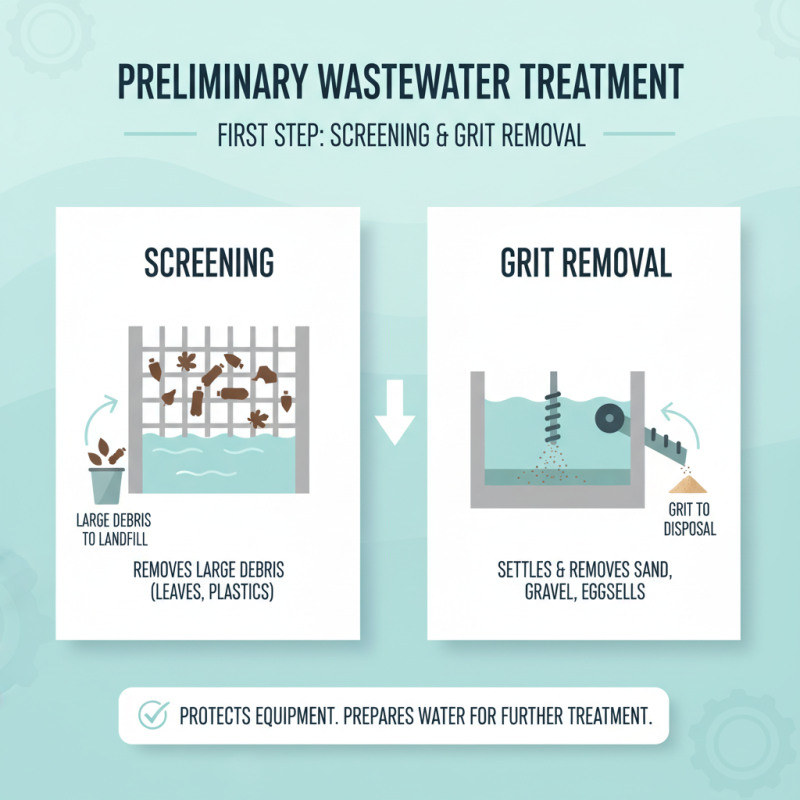
Step 1: Preliminary Treatment - Screening and Grit Removal
Preliminary treatment is a crucial first step in the wastewater treatment process. This phase focuses on screening and grit removal. It helps to eliminate large debris and particles before the water moves on to further treatment. The screening process captures items such as leaves, plastic, and other non-biodegradable materials. This debris can cause damage to equipment later on.
Grit removal follows screening. Heavy particles like sand and gravel settle at the bottom of a tank. This process is essential for preventing wear on pumps and other machinery. However, not every facility manages grit removal efficiently. Sometimes, smaller particles escape, leading to potential issues down the line. It's vital for operators to regularly check and maintain these systems.
While preliminary treatment seems straightforward, challenges can arise. For instance, clogged screens can disrupt the flow of water. Operators may overlook regular maintenance amid their busy schedules. Investing in training and resources can improve these initial steps, ensuring better overall treatment outcomes. Each component of the process plays a role, making attention to detail essential.
Step 2: Primary Treatment - Sedimentation and Sludge Formation
Primary treatment is a crucial step in the wastewater treatment process. This stage involves sedimentation, where heavier solids settle at the bottom. The process separates solid waste from the liquid. According to the EPA, about 50-70% of suspended solids can be removed during this phase.
Sedimentation tanks play a vital role in primary treatment. They are designed to hold wastewater long enough for gravity to do its job. Sometimes, the flow rate can be too high, reducing efficiency. This leads to poor sludge formation. Inadequate settling can result in solids remaining in the effluent. Studies show that a short retention time can cause up to 40% of settleable solids to escape into the next treatment phase.
Sludge formation is central to the success of primary treatment. Sludge contains organic materials, nutrients, and pathogens. Proper management is essential, yet many treatment facilities struggle with sludge disposal. Landfills are frequently overloaded, creating environmental concerns. The need for better solutions is clear. Each treatment facility faces its own unique challenges. Addressing these issues is necessary for effective wastewater management.
Step 3: Secondary Treatment - Biological Processes and Filtration
Secondary treatment is a critical phase in wastewater management. It primarily uses biological processes to break down organic matter. In this stage, microorganisms play a vital role. These tiny organisms consume pollutants as they thrive in wastewater. They feed on organic materials, reducing harmful substances effectively.
Filtration is another key component of secondary treatment. After biological processes, the wastewater contains suspended solids and bacteria. Filtration removes these unwanted particles. This step ensures that the water is cleaner and safer for further processing. It often involves various materials, like sand or gravel. These filters help in catching and holding onto impurities.
However, several challenges exist in this phase. Not all microorganisms are effective for every pollutant. The efficiency depends on the conditions of the treatment system. Temperature, pH, and nutrient availability impact the process. Sometimes, adjustments are needed to optimize performance. It's important to recognize that no system is flawless; improvements are an ongoing need.
Conclusion
The waste water treatment process is a crucial environmental management practice that ensures the safe disposal of wastewater, protecting public health and natural ecosystems. It begins with an understanding of wastewater, which consists of used water from various sources, and highlights the importance of treating this water to eliminate pollutants.
The treatment process consists of several key steps. Preliminary treatment involves screening to remove large debris and grit, followed by primary treatment, which includes sedimentation to separate solids from liquids and the formation of sludge. The secondary treatment employs biological processes to further break down organic matter, often including filtration to enhance water quality. Finally, the tertiary treatment ensures that the treated water meets safety standards before being discharged, completing the waste water treatment process effectively and sustainably.