What are Waste Water Systems and How Do They Work?
Waste water systems play a vital role in modern society. They help manage the water we use daily. These systems treat, transport, and dispose of waste water safely.
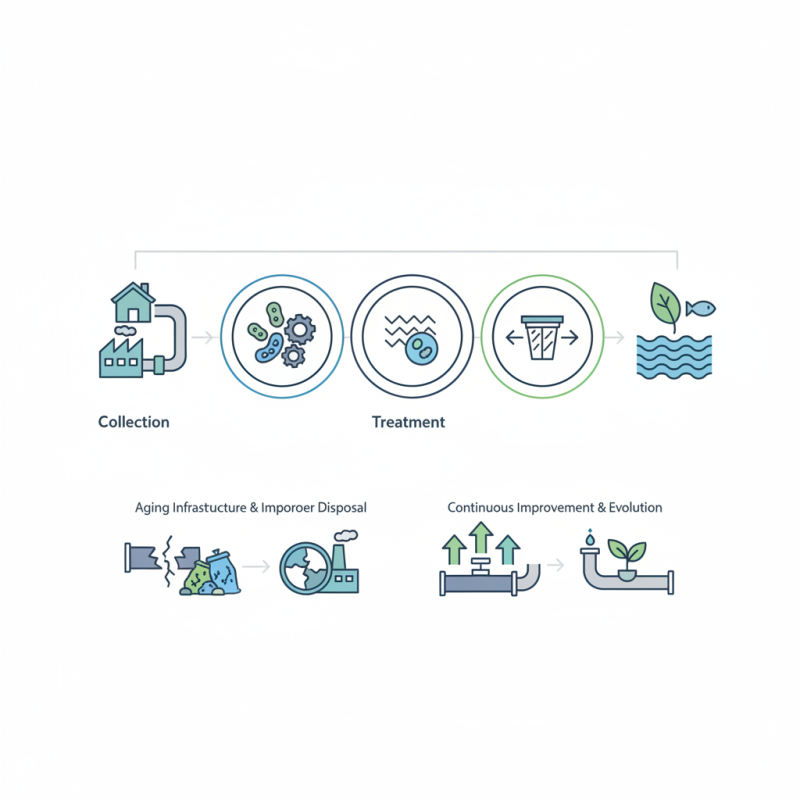
Understanding how waste water systems function is essential. For example, they begin with collecting household or industrial waste. This waste then moves to treatment facilities. Here, harmful substances break down through biological and mechanical processes.
However, many systems face challenges. Aging infrastructure often leads to leaks and inefficiencies. Additionally, improper disposal practices can overwhelm treatment plants. Continuous improvements are necessary to ensure these systems protect public health and the environment effectively. Our approach to waste water systems must evolve as our needs change.
What is a Waste Water System?
A waste water system is essential for every community. It manages the water that has been used in homes, industries, and businesses. This system collects, transports, and treats waste water before releasing it back into the environment. Understanding its function helps appreciate its importance.
Typically, waste water travels through a network of pipes. These pipes lead to treatment plants, where various processes clean the water. Filtration, sedimentation, and biological treatments are common methods used. Each step is crucial for reducing harmful pollutants. Some systems recycle water, adding further benefits to sustainability efforts.
**Tips:** Regular maintenance of waste water systems is key. Inspecting pipes can prevent clogs and leaks. Awareness of your local system can empower better water use. Remember, not all waste is equal; avoiding harmful substances is vital. These small steps can lead to significant impacts over time.
Waste Water Treatment Volume by Process Type
Key Components of Waste Water Systems
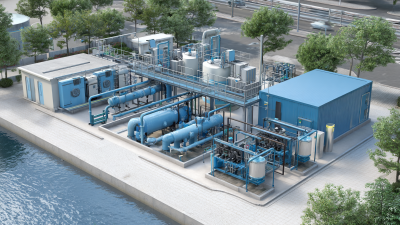
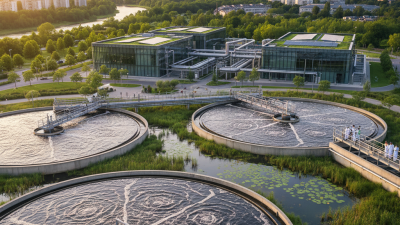
Waste water systems play a crucial role in maintaining public health and environmental safety. These systems consist of several key components that ensure effective treatment of used water. Essential parts include sewers, treatment plants, and drainage systems. Each component works together to manage and process waste water from homes and industries.
Sewers collect waste water and transport it to treatment facilities. They can be made from various materials, such as PVC or concrete. Treatment plants are where the magic happens. Here, waste water undergoes various processes to remove contaminants. Aeration tanks and clarifiers are vital in this step. However, not all plants function flawlessly; they sometimes struggle with heavy rainfall or equipment failures.
Tips for homeowners: Regular maintenance can prevent issues in your plumbing. Monitor water usage to avoid overwhelming the system. Not all waste belongs in the sewer system; dispose of hazardous materials responsibly. It’s essential to be aware of your local waste water system's unique challenges and limitations. Understanding these components allows for better community involvement and advocacy for improvements.
What are Waste Water Systems and How Do They Work? - Key Components of Waste Water Systems
| Component |
Function |
Materials Used |
Maintenance Frequency |
| Treatment Plant |
Processes wastewater to remove contaminants |
Concrete, Steel, Plastics |
Monthly |
| Pumps |
Moves wastewater through the system |
Cast Iron, Stainless Steel |
Quarterly |
| Pipes |
Transport wastewater to various locations |
PVC, HDPE, Galvanized Steel |
Annually |
| Aeration Tanks |
Promotes bacteria growth for wastewater breakdown |
Concrete, Steel |
Biannually |
| Clarifiers |
Settles solids from the wastewater |
Concrete, Metal |
Annually |
The Waste Water Treatment Process Explained
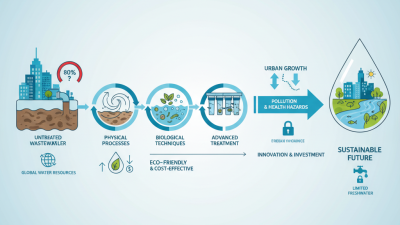
Wastewater treatment is crucial for environmental health. The process involves several stages, each designed to remove contaminants from water. According to the Environmental Protection Agency (EPA), wastewater treatment plants in the U.S. treat over 34 billion gallons of water daily. This number highlights the scale of the problem we face.
The treatment process typically includes physical, biological, and chemical stages. In the primary stage, large debris is removed through screening. The secondary stage follows, using bacteria to break down organic materials. Interestingly, many facilities underperform due to outdated technologies or insufficient maintenance. A report by the World Health Organization suggests a focus on upgrading systems to enhance efficiency.
In the final stage, treated water undergoes disinfection before being released or reused. Unfortunately, not all facilities meet the required standards. Some studies indicate that around 20% of wastewater facilities fall short in removing pathogens completely. Continuous improvement and investment in modern technologies are necessary to address these challenges effectively. Proper wastewater management is essential for public health and ecosystem preservation.
Types of Waste Water Systems
Waste water systems play a crucial role in managing and treating used water. There are several types of waste water systems, each designed for specific needs and environments.
Municipal systems are common in urban areas. They collect waste water from homes and businesses, moving it to treatment plants. Here, harmful substances are removed, and the water is treated before being released back into the environment.
Another type is the septic system. This is typical in rural areas where city systems are not available. Waste water from the home flows into an underground tank. Here, solids settle at the bottom. The liquids then flow out into a drain field, where natural processes break down pollutants. Regular maintenance is essential for septic systems. Neglecting them can lead to costly repairs and health risks.
There are also advanced treatment systems, like constructed wetlands. They use plants and soil to filter waste water. This method is sustainable and mimics natural processes. However, it requires careful planning and space. Challenges include managing plant growth and ensuring consistent performance. Each waste water system has unique advantages and challenges, making it essential to choose wisely based on specific needs.
The Importance of Effective Waste Water Management
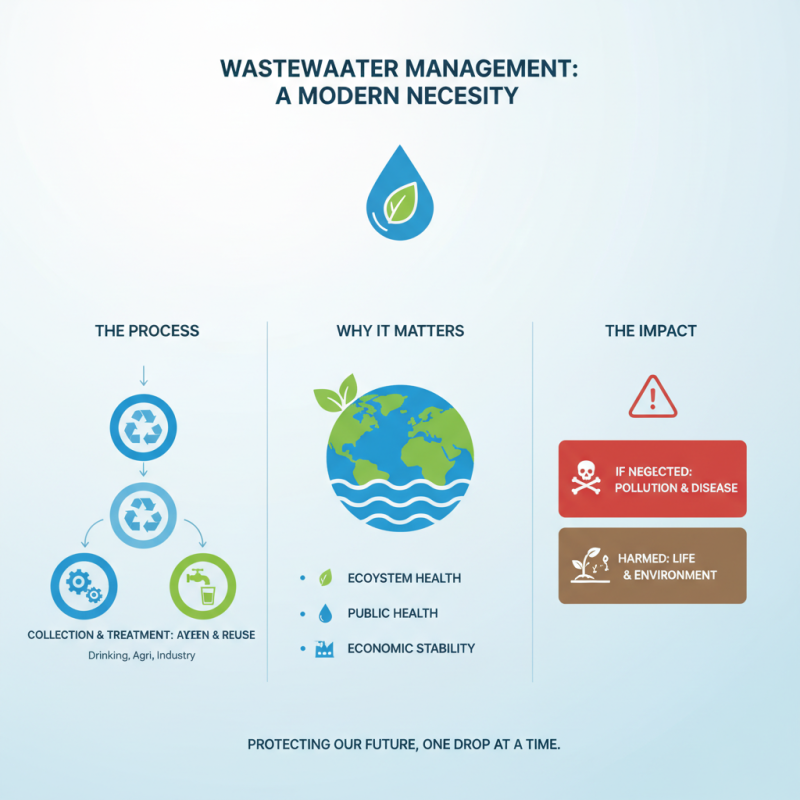
Effective waste water management is crucial for modern society. It involves various processes that treat and recycle water. Clean water is essential for drinking, agriculture, and industrial use. When waste water is not properly managed, it can lead to pollution and health problems. Contaminated water can harm ecosystems and human life.
Many regions face challenges with their waste water systems. Aging infrastructure often fails to meet current demands. In some places, treatment plants are overwhelmed during heavy rainfall. This can cause untreated waste water to spill into rivers and oceans. The consequences can be devastating for marine life and local communities. Awareness of these issues is vital for finding solutions.
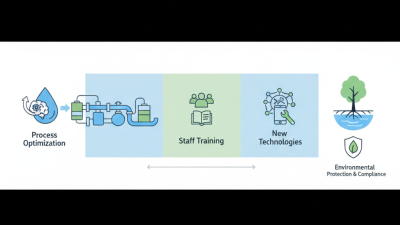
Investing in updated technology is necessary. Advanced systems can improve efficiency and reduce environmental impact. However, funding and political will often fall short. Education about the importance of clean water is essential. Public support can drive change and enhance waste water management practices. Reflecting on our actions is needed to build a sustainable future.