Why Are Waste Water Systems Essential for Sustainable Water Management?
Waste water systems play a crucial role in sustainable water management. They treat and recycle water, preserving this precious resource. Dr. Emily Carter, a leading expert in environmental engineering, emphasizes, "Well-designed waste water systems can drastically reduce our water scarcity challenges."
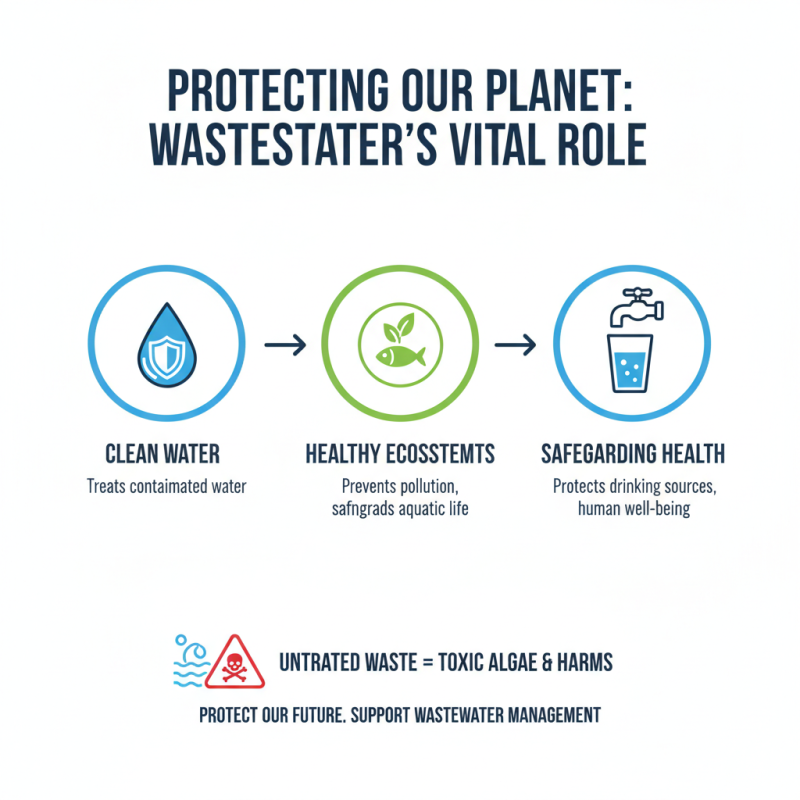
These systems ensure that used water is managed efficiently. By filtering and treating waste, they prevent pollution and protect ecosystems. Many communities still lack proper waste water treatment, leading to severe environmental and public health issues.
The challenge lies in improving existing infrastructure. Aging waste water facilities often fall short of modern demands. We must reflect on our current practices. Investing in innovative waste water systems is essential for a sustainable future.
The Role of Waste Water Systems in Sustainable Water Management
Wastewater systems play a crucial role in sustainable water management. They help treat and recycle water, reducing the strain on freshwater sources. According to the World Health Organization, about 80% of wastewater globally is released untreated into the environment. This practice poses severe risks to public health and ecosystems. Investing in effective wastewater systems can mitigate these issues and promote overall sustainability.
In urban areas, wastewater treatment plants can reclaim up to 95% of the water they process. This reclaimed water can be used for irrigation, industrial processes, and even drinking in some regions. A study from the UN Environment Programme highlights that proper wastewater management can lead to a reduction of 50% in water consumption. Yet, many facilities struggle with outdated infrastructure. This gap shows a need for modernization in our approach to water management.
Moreover, the challenge of collecting and treating wastewater is significant. Many developing countries lack the necessary technologies. Inadequate treatment often leads to pollution and health crises. A shocking report from the World Bank indicates that inadequate sanitation costs countries up to 5% of their GDP. This prompts a vital question: How can we improve wastewater systems to ensure equitable access to clean water? The path to sustainable management relies heavily on innovation and investment in these systems.
Importance of Waste Water Systems in Sustainable Water Management
This bar chart illustrates the key components of waste water systems and their percentage contributions to overall sustainable water management efforts.
Understanding the Components of Waste Water Treatment Facilities
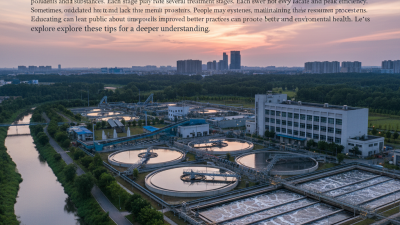
Wastewater treatment facilities play a vital role in sustainable water management. They consist of several key components, each crucial to ensuring clean water for communities. Primary treatment includes screening out large debris. This protects subsequent systems and improves efficiency. Secondary treatment involves biological processes. Microorganisms break down organic matter, which can significantly reduce pollution levels.
A study from the Environmental Protection Agency indicates that effective treatment can remove up to 90% of contaminants. This data highlights how crucial these systems are. However, many facilities struggle with outdated technology. Aging infrastructure may lead to inefficiencies. Some regions face challenges due to insufficient funding for upgrades. This situation calls for urgent reflections on investment priorities.
Tertiary treatment enhances water quality even further. Advanced filtration and chemical treatments are often employed. Some facilities even implement water reuse systems. This promotes sustainability by returning cleaned water to the environment. Yet, the reality remains that not all wastewater systems are optimized. Many lack the capability to handle peak loads during rainy seasons. Addressing these gaps is essential for the future of water management.
Why Are Waste Water Systems Essential for Sustainable Water Management? - Understanding the Components of Waste Water Treatment Facilities
| Component |
Function |
Importance in Sustainable Management |
Typical Capacity (m³/day) |
| Preliminary Treatment |
Removal of large debris and grit |
Prevents damage to equipment and ensures efficient operation |
5000 |
| Primary Treatment |
Sedimentation of solids |
Reduces organic load on secondary treatment |
4000 |
| Secondary Treatment |
Biological treatment to degrade organic matter |
Essential for removing pathogens and nutrients |
3000 |
| Tertiary Treatment |
Advanced filtration and disinfection |
Improves water quality for reuse and discharge |
2000 |
| Sludge Management |
Treatment and disposal of sludge |
Reduces environmental impact and recycles nutrients |
1000 |
Innovations in Waste Water Recycling Technologies for Sustainability
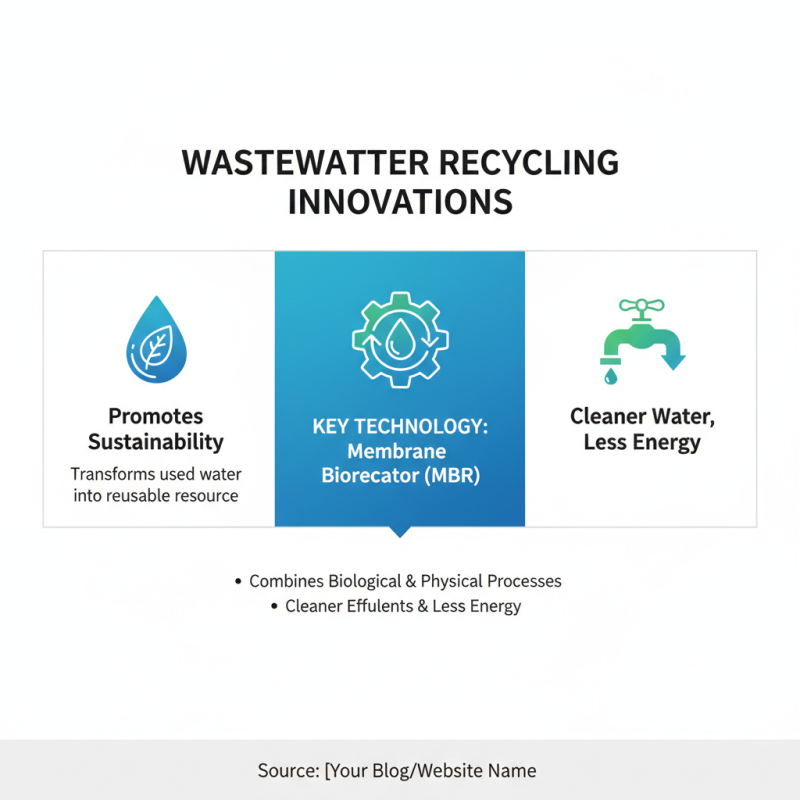
Innovations in wastewater recycling are pivotal for promoting sustainability. These technologies transform used water into a reusable resource. For instance, membrane bioreactors combine biological and physical processes. This leads to cleaner effluents and less energy consumption.
Advanced filtration systems are changing the landscape of water management. By utilizing nanotechnology, these systems can filter out contaminants on a microscopic level. However, challenges remain. The maintenance of such technologies can be costly. Additionally, public awareness about reuse practices is often low.
Another exciting development is decentralized wastewater treatment. This method allows communities to handle their waste locally. It reduces the burden on centralized systems. Yet, this approach can lead to inconsistent water quality. Continuous improvements are essential to address these issues. Ultimately, the path to sustainable water management is complex, filled with both advancements and obstacles.
Challenges and Solutions in Implementing Waste Water Systems Globally
The implementation of waste water systems faces numerous challenges worldwide. Aging infrastructure often leads to leaks and inefficiencies. Many cities lack adequate funding to update these systems. As a result, untreated sewage often enters water bodies, harming ecosystems. Characterizing waste water is complex. Each region has different types and levels of pollutants. Finding a universal solution is difficult.
Public perception also complicates matters. Many people are hesitant about using recycled water. Misunderstandings about safety can stall progress. Moreover, policy frameworks are often inconsistent. Local regulations may not align with global standards. This misalignment creates a patchwork of systems rather than a cohesive approach.
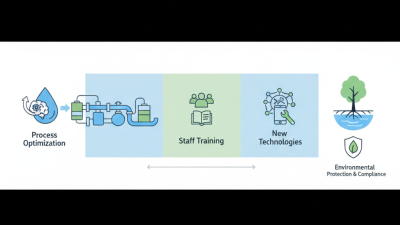
Despite these challenges, innovative solutions are emerging. Some cities are experimenting with decentralized systems. This allows for localized treatment and reduces transportation costs. New technologies are helping to improve efficiency and reduce costs. However, the push for innovation requires collaboration among various stakeholders. Community engagement is essential for acceptance. How communities see waste water recycling will shape its future.